Senior Editor: Alan Agbele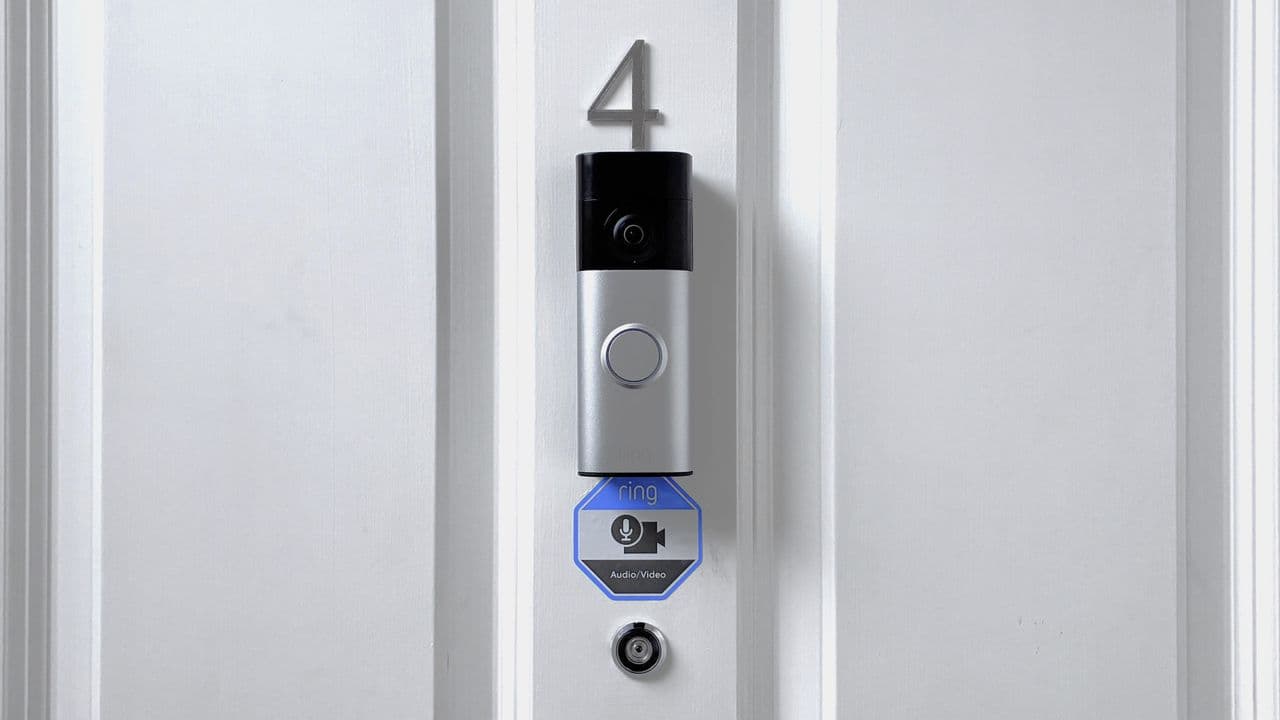
Ring has released the second generation of its Battery Video Doorbell Plus, delivering a notable resolution upgrade that addresses a long-standing limitation of its wireless lineup. The new model now captures video in 2K resolution, a meaningful jump from the 1080p standard that has defined most battery-powered doorbells.
What Changed
The headline feature is the shift to 1536p video, which Ring calls "head-to-toe" viewing. This wider vertical field of view allows users to see packages left at their doorstep without cropping out the person standing at the door. Previous battery models often forced a tradeoff between seeing a visitor's face and spotting a delivered parcel on the ground.
Ring achieved this by redesigning the camera sensor and lens assembly inside the same compact housing. The doorbell retains its removable battery pack, meaning users can swap batteries instead of hardwiring the device. That flexibility appeals to renters or homeowners who prefer not to run new wiring.
Why This Matters
The upgrade directly affects millions of households that rely on battery-powered smart doorbells. Many existing models from Ring and competitors have struggled with vertical blind spots, leaving packages vulnerable to theft without clear evidence. The head-to-toe view closes that gap without requiring professional installation or wired power.
For consumers already invested in Ring's ecosystem, this model offers a practical path to better security without switching platforms. However, key features such as recorded video storage and advanced motion alerts remain locked behind Ring's Protect subscription plan, which starts at $4 per month. Buyers should factor that recurring cost into their decision.
Market Context
The smart doorbell market has grown increasingly competitive over the past two years. Google Nest and Arlo have introduced models with similar vertical coverage, while Eufy offers local storage options that avoid monthly fees entirely. Ring's advantage lies in its mature ecosystem and widespread brand recognition among consumers who already own Amazon Alexa devices.
The second-gen Battery Video Doorbell Plus arrives at a time when home security spending continues to rise despite broader economic uncertainty. Analysts point to growing awareness of package theft as a primary driver for upgrades like this one.
Technical Considerations
Running higher resolution video on battery power presents engineering challenges. Higher pixel counts typically consume more energy during capture and transmission. Ring says it optimized the image processor and Wi-Fi radio to maintain comparable battery life to previous models under normal usage conditions.
The doorbell connects via dual-band Wi-Fi (2.4GHz and 5GHz) and supports end-to-end encryption for video streams stored in Amazon Web Services cloud servers. Night vision remains infrared-based rather than color night vision found on some wired competitors.