Editor: Porcia Akua Holmes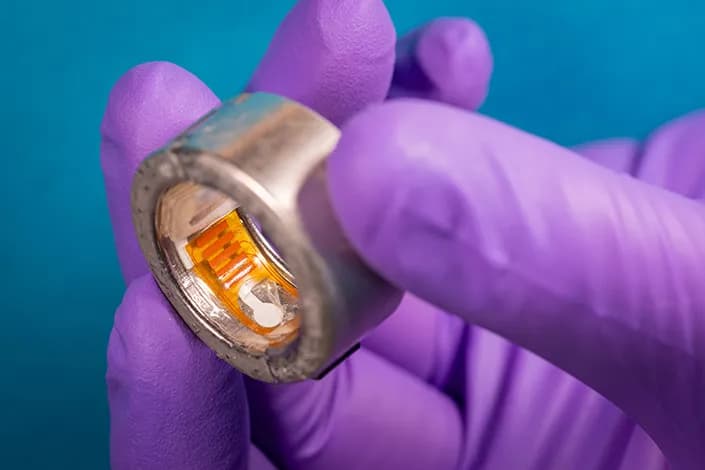
Millions of people with type 1 diabetes face a daily routine of painful finger pricks or the expense and discomfort of continuous glucose monitors. A new wearable aims to eliminate those needles entirely. This smart ring uses sweat to track glucose levels in real time, offering a noninvasive approach that could reshape diabetes management.
How the Ring Works
The device relies on electrochemical sensors embedded in the ring band. When the wearer sweats naturally during daily activity or exercise, small amounts of glucose pass into the perspiration. The sensor detects this glucose and translates the concentration into a blood sugar reading comparable to traditional methods. Unlike constant glucose monitors that use a small filament under the skin, this ring requires no insertion and leaves no wound.
Key Advantages Over Existing Methods
The Broader Noninvasive Trend
Several research teams and startups have pursued sweat-based, tear-based, and optical glucose sensing over the past decade. Most efforts stumbled due to accuracy issues and the lag between blood and interstitial fluid glucose levels. This smart ring tackles the accuracy problem by calibrating the sensor against a small initial blood sample and using machine learning to account for sweat rate variations. The approach represents a practical step toward a long-sought goal, though it still depends on the wearer producing enough sweat, which may not happen during rest or sleep.
Why This Matters
For the estimated 8.4 million people worldwide who rely on insulin, consistent glucose monitoring is not optional but essential. Finger pricks cause cumulative discomfort, and CGM systems can cost hundreds of dollars per month even with insurance. A reliable, needle-free alternative would dramatically improve quality of life for diabetics, reduce medical waste from disposable sensors, and potentially lower healthcare costs. The device also opens the door to wider adoption of continuous monitoring among people with prediabetes or those who simply want to track metabolic health without invasive hardware.
What Remains
The ring is not yet on the market. Developers must still secure FDA or equivalent regulatory approval, prove accuracy across diverse populations, and demonstrate that sweat glucose reliably mirrors blood glucose in real-world conditions. If those hurdles are cleared, this smart ring could become a mainstream tool for diabetes care within a few years.