Senior Editor: Alan Agbele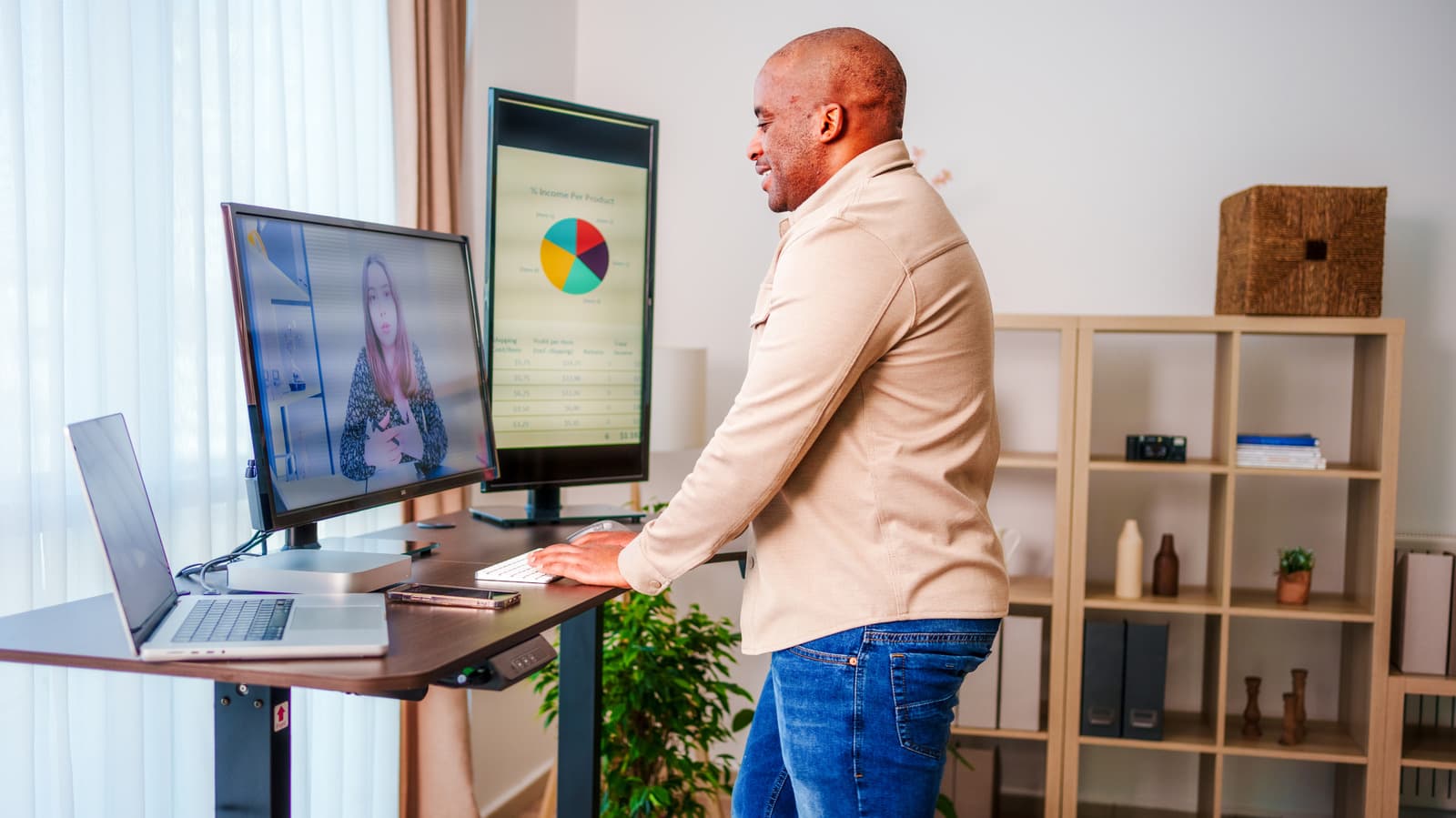
As remote work solidifies its place in the modern economy, home office purchases have shifted from quick fixes to long-term investments. Workers are increasingly seeking equipment designed to endure years of daily use rather than cheap alternatives that need replacement every season. This emerging preference for durability is reshaping the market for office gear.
Drivers of the Durability Trend
Several factors are pushing home office buyers toward longer-lasting gear. The permanence of hybrid work arrangements means desks and chairs are used eight or more hours a day. Frequent replacement cycles have frustrated many workers, leading them to seek out products with proven longevity.
Buyers, however, are not just looking at materials. They also consider warranty coverage, user reviews and certification by ergonomic standards bodies.
This mindset has boosted sales for established office furniture manufacturers such as Herman Miller and Steelcase, both of which have seen increased demand for their premium chairs and sit-stand desks.
Why This Matters
The consequences of this shift reach beyond individual buyers. Manufacturers must rethink product lifecycles and supply chains to meet rising expectations for longevity. Retailers that previously promoted budget options now highlight warranty terms and build quality as key selling points. For remote workers, the upfront investment in Home Office Upgrades That Will Actually Last reduces total cost of ownership over several years.
This trend also pressures fast-furniture companies like IKEA to offer more robust options or risk losing market share. The emphasis on durability signals a maturing remote work market where quality defines the next wave of purchases.
What to Look For in Long-Lasting Equipment
Consumers evaluating new gear should focus on three core factors: structural integrity, repairability and community consensus. Chairs with metal bases rather than plastic, desks with solid wood or steel tops and electronics with user-replaceable batteries are more likely to survive years of daily use.
The conversation around home office upgrades has moved beyond simple price comparisons. As the workforce settles into hybrid routines, the gear they choose reflects a deeper understanding of the value of durability.