Editor: Porcia Akua Holmes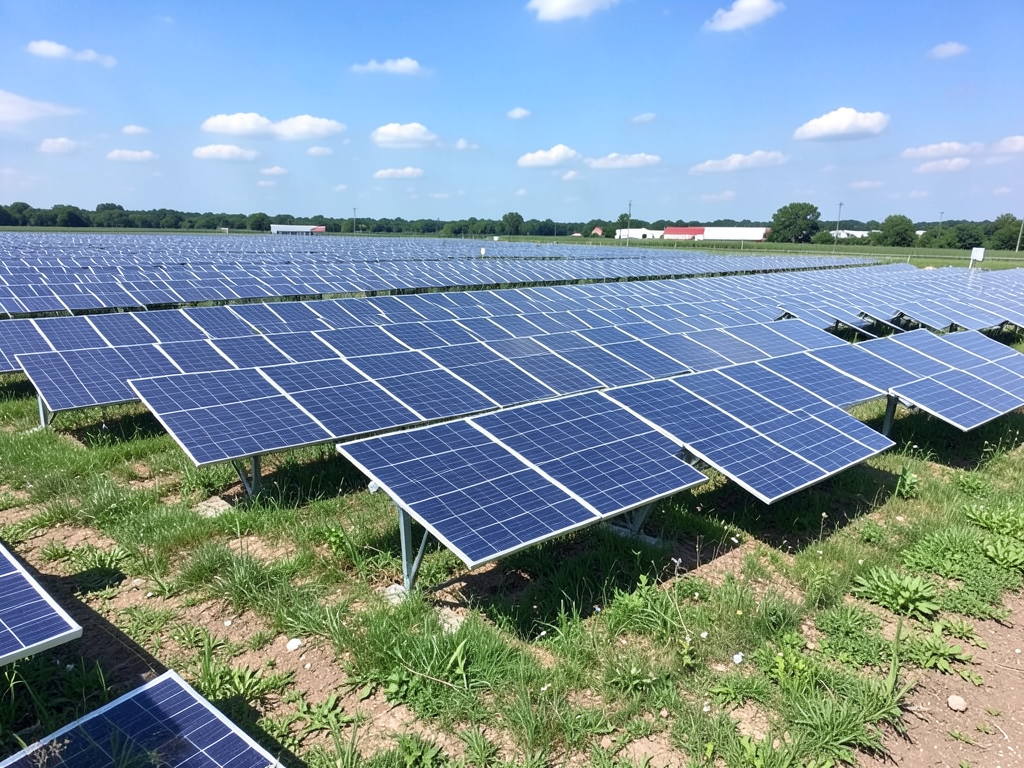
A solar farm in Illinois has installed a specialized microphone to monitor wildlife sounds, offering a tangible example of how renewable energy infrastructure can coexist with natural ecosystems. The setup captures bird calls and other environmental audio, providing data that helps operators adjust their practices to minimize habitat disruption.
The Technology Behind the Listening
The microphone installed at the Illinois solar farm is not a simple recording device. It is part of an acoustic monitoring system that can automatically classify animal vocalizations using machine learning models. The system identifies specific bird species, tracks their activity patterns and alerts farm managers when sensitive periods arise. This allows solar arrays to remain operational while reducing disturbance during nesting or migration seasons.
Hardware for the setup includes weather resistant microphones and edge computing units that process audio locally. The Technology avoids sending large streams of raw sound data to the cloud, which lowers bandwidth needs and protects animal location privacy. Researchers from the University of Illinois at Urbana-Champaign collaborated on the project, ensuring the system meets scientific standards for bioacoustic surveys.
Broader Applications for Wildlife Monitoring
Acoustic sensors are increasingly used in energy projects beyond solar. Offshore wind farms deploy similar systems to detect bat and bird collisions. Hydroelectric facilities monitor fish sounds to measure passage success. The Illinois solar farm case adds to a growing library of evidence that carefully designed technology can reduce conflicts between energy production and biodiversity.
Each of these applications relies on the same core principle: technology can act as a bridge rather than a barrier between human infrastructure and natural systems. The Illinois project demonstrates that even a single microphone, when paired with intelligent software, can yield actionable ecological insights.
Why This Matters
The Illinois solar farm example matters because it challenges the assumption that renewable energy always harms wildlife. As solar and wind capacity expands rapidly to meet climate targets, conflicts over land use and species protection will intensify. Acoustic monitoring offers a low cost, scalable way to reduce those conflicts. It shifts the conversation from “build or protect” to “build and monitor.” For energy developers, integrating these systems into standard practice could shorten permitting timelines and improve community relations. For conservationists, it provides a tool to hold projects accountable without stalling clean energy progress. The real world impact will depend on whether monitoring data leads to enforceable operational changes. The Illinois installation proves the technical foundation is ready.