Senior Editor: Alan Agbele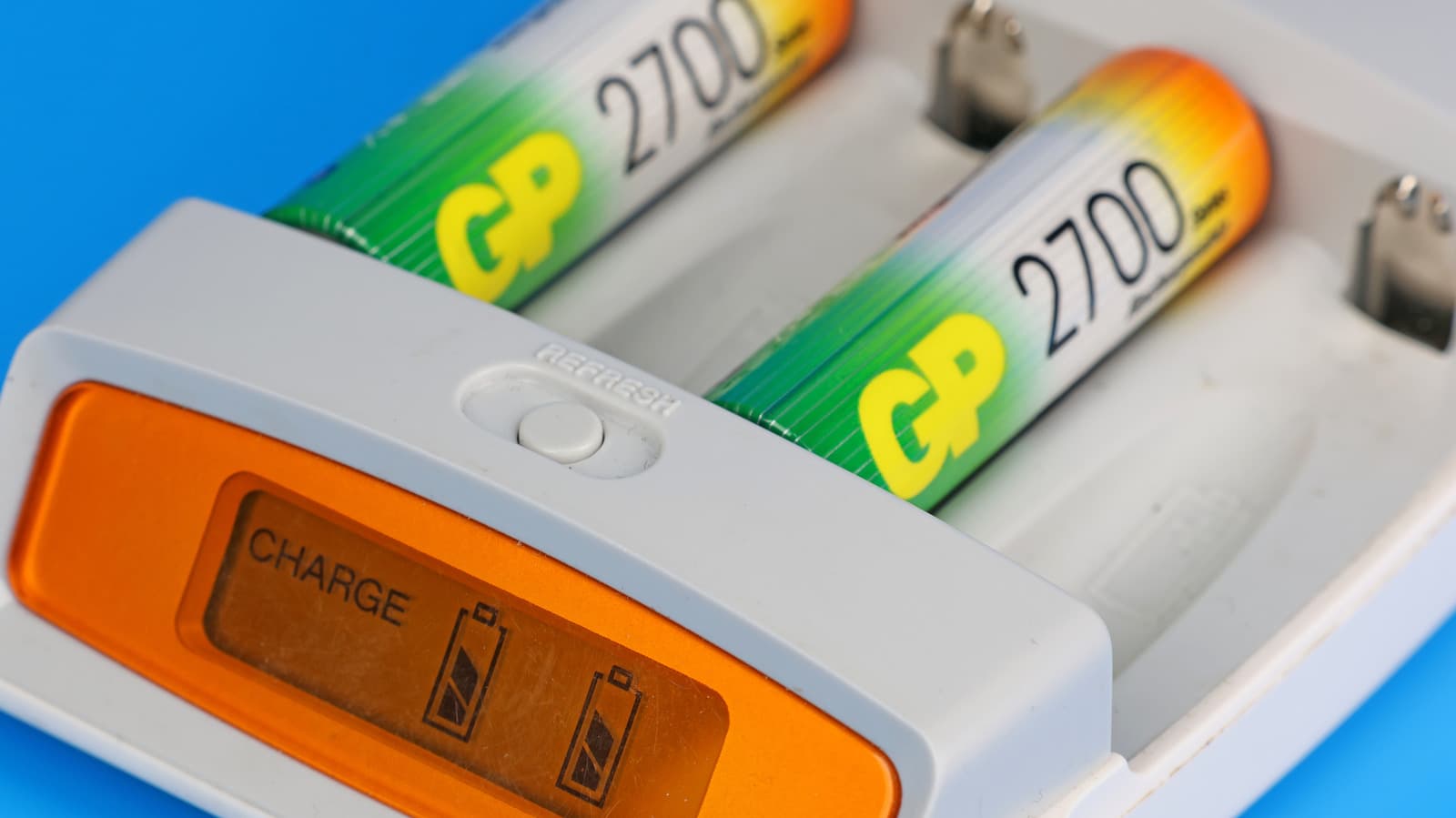
Rechargeable batteries have become a cornerstone of modern consumer electronics, powering everything from wireless keyboards to gaming controllers. But the question of how many times these batteries can be reused is not a simple number. It depends on chemistry, charging habits and environmental conditions.
Understanding Battery Chemistry and Cycle Count
The term "rechargeable" covers multiple chemistries, each with a different expected lifespan. Nickel-metal hydride (NiMH) cells, common in AA and AAA formats, are rated for 500 to 1,000 full charge-discharge cycles under ideal conditions. Lithium-ion batteries, found in smartphones and laptops, typically offer 300 to 500 cycles before their capacity drops below 80 percent of the original.
Cycle count, however, is not a fixed limit. A cycle is defined as a full discharge from 100 percent to zero percent, but partial discharges count as fractions of a cycle. For example, discharging a battery from 100 percent to 50 percent twice counts as one full cycle. This means that frequent top-ups can extend the total number of charge events before the battery wears out.
Factors That Shorten Battery Life
Real-world usage rarely matches lab conditions. Several habits and environmental factors can reduce the effective cycle life of rechargeable batteries:
Manufacturers often specify a shelf life of three to five years for unused rechargeable cells, but actual usage patterns matter more for in-service longevity.
Why This Matters
For consumers, the practical implication is straightforward: choosing the right rechargeable battery and treating it properly can save money and reduce electronic waste. A single set of NiMH AA batteries can replace hundreds of disposable alkalines over their lifetime. For device manufacturers, extending battery cycle life is a key competitive advantage, especially as regulations push for more sustainable products. The economic and environmental stakes are high, given that billions of batteries are sold each year. Understanding the factors that determine rechargeable battery lifespan empowers users to make informed purchasing decisions and adopt charging habits that maximize both performance and value.
Practical Tips for Maximum Lifespan
To get the most cycles from a rechargeable battery, follow these best practices:
- Store at moderate temperatures: Keep batteries in a cool, dry place between 15°C and 25°C when not in use.
- Use partial discharges: Avoid draining lithium-ion batteries completely; recharge when they reach 20 to 30 percent remaining capacity.
- Choose the right charger: Smart chargers with automatic shut-off prevent overcharging, which can damage NiMH cells over time.
Rechargeable batteries are not a one-size-fits-all solution, but with proper care, they can serve reliably for years. The question of how many times you can use them ultimately depends on how well you treat them.