Editor: Porcia Akua Holmes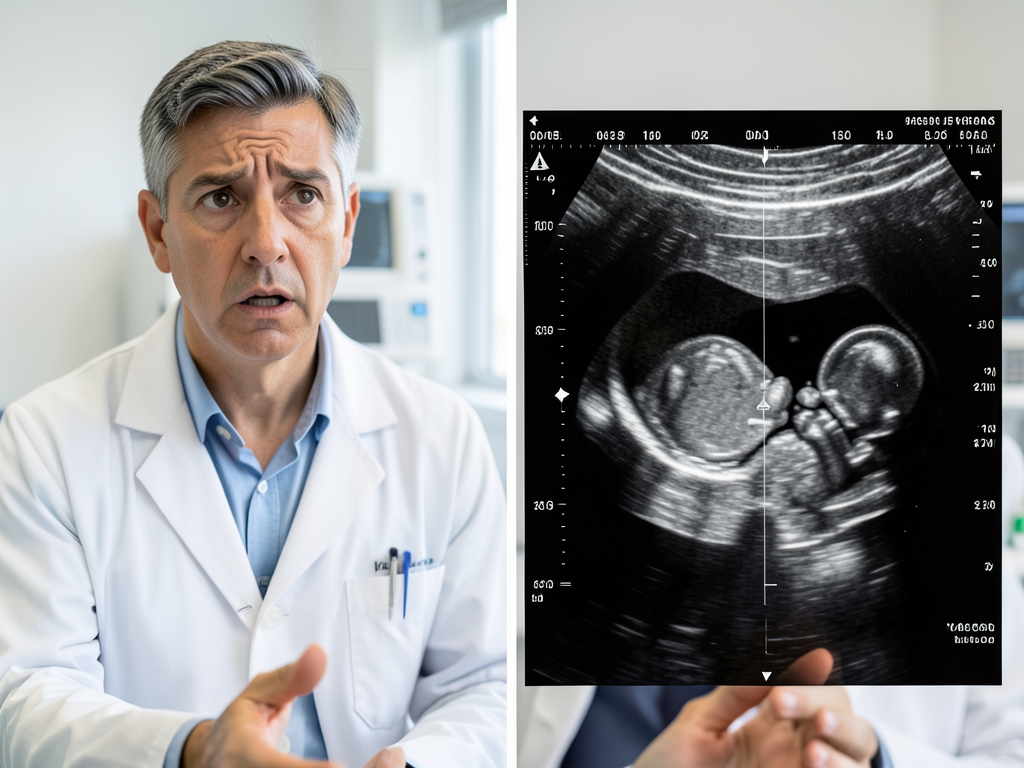
A leading technology skeptic has publicly reversed its stance on synthetic medical imagery. After comprehensive testing, the critic concluded that Midjourney's latest ultrasound scans are virtually indistinguishable from real clinical images. The admission marks a significant moment in the debate over AI-generated content in healthcare.
From Skeptic to Convert
The reviewer initially dismissed Midjourney's efforts to create medical-grade ultrasound imagery as a novelty unworthy of serious attention. But after the release of an updated model, the output forced a reassessment. The critic wrote that the images passed visual inspection by multiple radiologists who could not reliably separate real scans from AI creations. This reversal underscores how quickly generative AI is improving in specialized domains.
Technical Leap in AI Imaging
Midjourney's underlying diffusion model has been refined to replicate subtle artifacts specific to ultrasound machines, such as acoustic shadowing and speckle noise. The model also mimics the exact labeling and measurement overlays common in clinical software. These details make the fakes far more convincing than earlier attempts. Achieving this level of fidelity required training on a large dataset of labeled medical scans, though Midjourney has not disclosed its sources.
Why This Matters
The ability to produce believable medical deepfakes threatens diagnostic integrity and patient safety. Fraudsters could create fake scan results for insurance claims or to fabricate injuries in legal cases. Healthcare providers currently lack automated detection tools trained to spot AI-generated medical images. Hospitals and regulators must move quickly to update verification protocols. The incident also highlights a broader challenge: generative AI is racing ahead of the ethical and legal frameworks meant to govern its use.
Regulatory Gaps Remain
No federal agency has issued specific guidance on the use of AI to create synthetic medical images. The Food and Drug Administration oversees medical device software but has not addressed generative models that produce static pictures. Some states are beginning to introduce legislation requiring disclosure of AI-generated content in clinical settings. Until such rules are standard, patients and providers remain vulnerable to deception. The healthcare industry will need to invest in forensic analysis tools capable of distinguishing real from fake scans.
The reversal by a well-known critic may accelerate calls for action. If the technology can fool experts today, the potential for harm grows with each model update. Regulators should treat synthetic medical imagery as a serious and imminent risk.