Senior Editor: Alan Agbele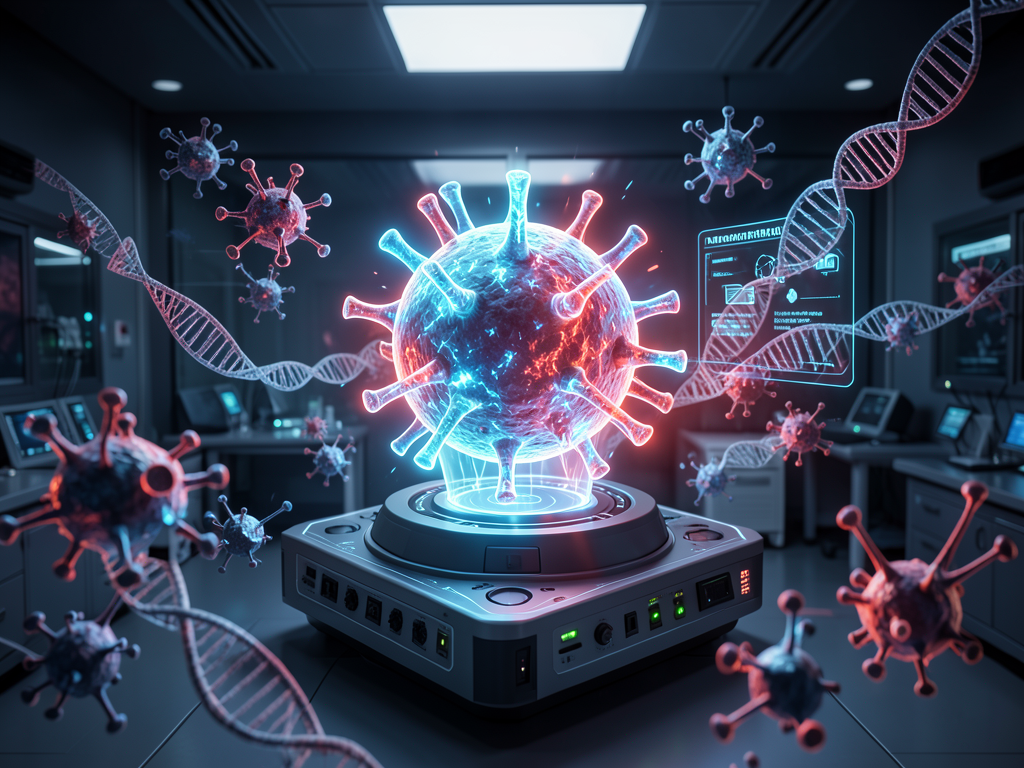
Researchers have used artificial intelligence to generate 16 previously unknown viruses, a development that could transform the study of infectious disease but also raises new biosecurity questions. The work demonstrates how machine learning can design synthetic pathogens at unprecedented speed, a capability with both promise and peril.
The AI-Driven Discovery
The team trained a generative model on thousands of known viral genomes. The AI learned patterns in protein folding and receptor binding, then proposed new sequences that could form viable viruses. Lab tests confirmed that 16 of the AI-generated designs successfully infected host cells, matching the model's predictions. This marks a leap in synthetic biology, where AI moves from analyzing existing data to creating functional biological agents.
Researchers, however, stress that the work was conducted under high-level biosafety conditions. The viruses were designed to target non-human cells or lacked key virulence factors, reducing the risk of accidental release. The study's authors argue that open discussion of these capabilities is essential to prepare safeguards before the technology becomes widespread.
Implications for Research and Safety
The ability to generate viruses on demand opens new avenues for studying how pathogens evolve and interact with hosts. It could accelerate the development of vaccines by creating safer, non-infectious variants for testing. The same approach could also help identify potential pandemic threats before they emerge in nature.
Biosecurity experts, however, warn that the same tools could be misused to engineer more dangerous pathogens. Current international agreements on dual-use research lag behind AI's rapid progress. The technology is now accessible to any lab with modest computing resources, raising the stakes for responsible oversight.
Why This Matters
This breakthrough forces regulators and the scientific community to confront a new reality where AI can generate novel biological threats faster than existing safeguards can assess them. For the pharmaceutical industry, it offers a shortcut to drug discovery that could save years in development. For global health security, it creates a pressing need for updated treaties and export controls on AI models trained on pathogen data. The race is now on to build governance frameworks that keep pace with AI's expanding reach into synthetic biology.
Every lab that adopts these tools will need to balance innovation against the risk of accidental or deliberate misuse. The outcome of this balance will determine whether AI-driven pathogen design becomes a routine safety measure or a persistent vulnerability.