Editor: Porcia Akua Holmes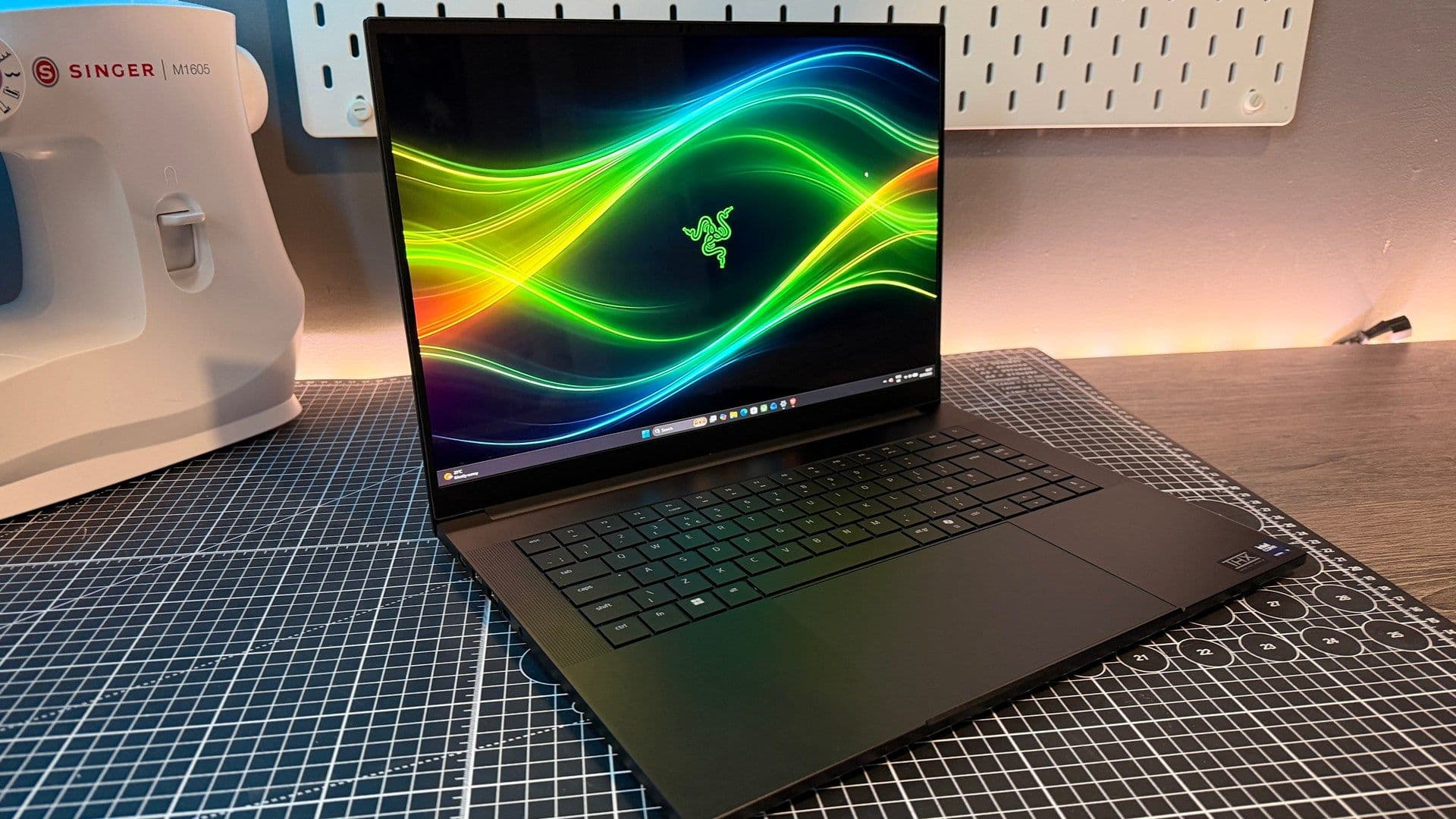
The Razer Blade 16 (2026) is a gaming laptop that asks a simple question: how much are you willing to pay for the best? With an Nvidia RTX 5090 GPU and Intel Core Ultra 9 processor packed into an elegantly slim chassis, it delivers frame rates that rival desktop rigs. At nearly $5,000 for the top configuration, however, it forces a hard conversation about diminishing returns in portable gaming hardware.
Uncompromising Performance in a Thin Frame
The Blade 16 packs an Intel Core Ultra 9 386H processor and an Nvidia RTX 5090 at 175W total graphics power into a chassis just 0.6 inches thick. From the dual-fan cooling system to the vapor chamber, Razer has managed to keep thermals in check while delivering desktop-level performance. In tests, Cyberpunk 2077 and other demanding titles ran well into the hundreds of frames per second at ultra settings, a feat rarely seen in a laptop this portable.
Why This Matters
The Razer Blade 16 (2026) sets a new benchmark for ultra-premium gaming laptops, but its design decisions reveal a broader industry trend: manufacturers are prioritizing thinness over user serviceability. Soldered RAM means buyers must decide on memory capacity at purchase, with no upgrade path. The cost of the review unit, which runs nearly $4,900, places it beyond the reach of most gamers, yet Razer still sells out. This suggests a healthy but niche market for uncompromising mobile power, one that may influence future designs from competitors.
Design and Trade-Offs
From the keyboard to the trackpad, the Blade 16 exudes premium craftsmanship. The aluminum chassis is clean and understated, with only a green lit Razer logo on the lid hinting at its gaming DNA. The 16-inch OLED panel delivers inky blacks and vibrant colors, making every game look its best. (Image credit: Future) However, the lack of an Ethernet port is a notable omission for a machine aimed at competitive online gamers. The cost of this level of refinement, meanwhile, gives even wealthy buyers pause. The base model starts at $3,499 with a 1TB SSD and RTX 5070 Ti, but the soldered RAM remains a limitation across all configurations.