Editor: Porcia Akua Holmes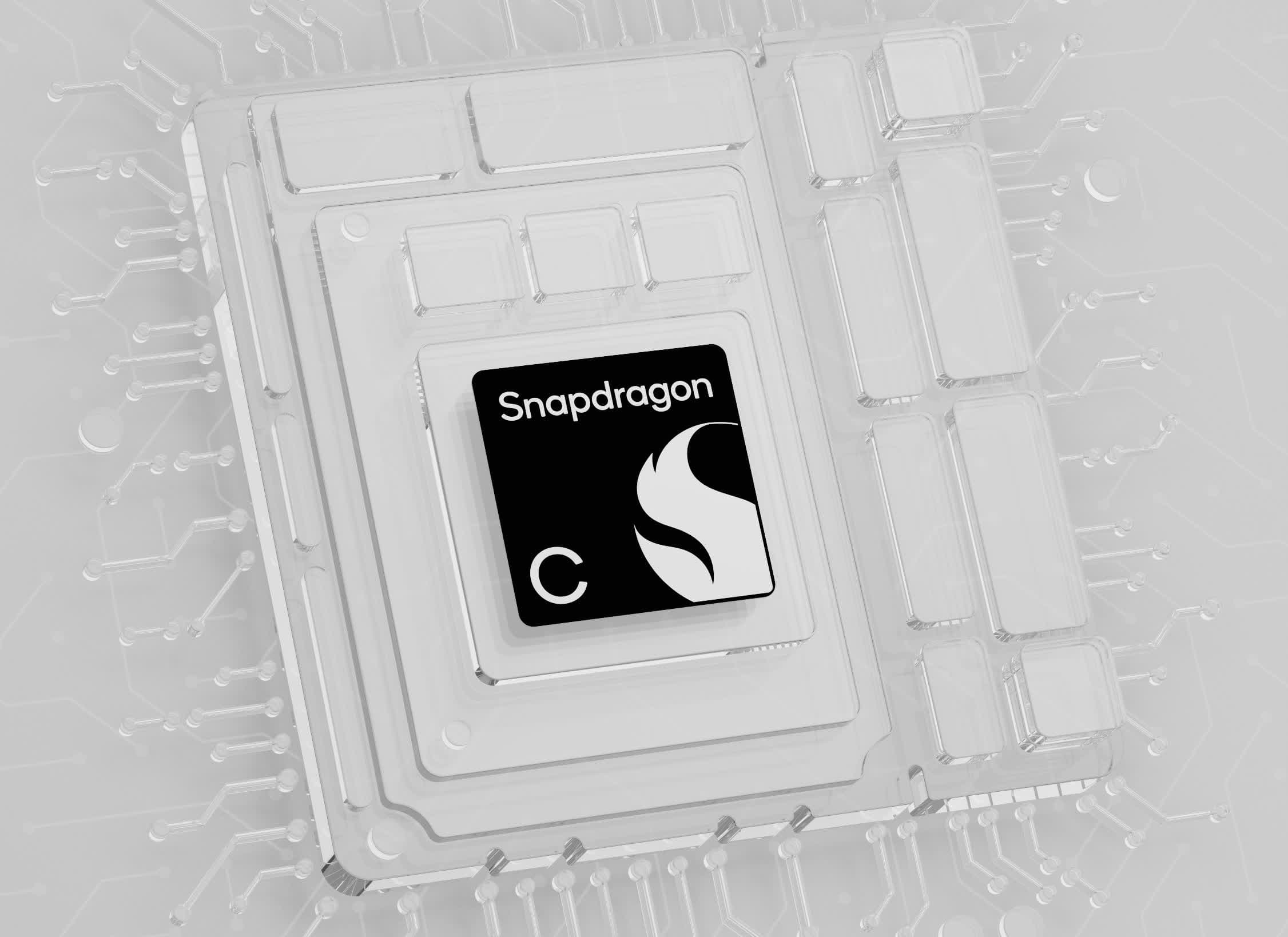
Qualcomm is making a bold push into the budget PC market with a new Arm processor designed specifically for laptops priced around $300. The Snapdragon C chip aims to deliver adequate performance for everyday computing while keeping costs low, directly challenging the dominance of Intel and AMD in the entry-level segment.
Targeting the $300 Laptop Segment
Qualcomm has identified a gap in the market: affordable Windows laptops that offer solid battery life and always-on connectivity without a premium price tag. The Snapdragon C is built to fill that gap. With eight Qualcomm Kryo CPU cores, the chip balances performance and power efficiency for tasks like web browsing, document editing and video streaming. The 3 GHz single-core boost handles responsive app launches, while the 2 GHz multi-core limit keeps thermal output low in thin and fanless designs. The 2 MB cache further helps reduce latency.
The chip is a direct competitor to Intel's N-series processors and AMD's Athlon line, both of which dominate the sub-$400 laptop space. But Qualcomm brings a key advantage: an Arm architecture that allows for integrated 5G modems and day-long battery life in a compact form factor. For manufacturers, the Snapdragon C offers a low-cost platform to build entry-level devices that stand out on connectivity.
Technical Specifications in Brief
Why This Matters
The Snapdragon C could finally make Windows on Arm a practical choice for budget-conscious buyers. Previous Arm-based Windows PCs, like those using Snapdragon 8cx chips, targeted higher price points and saw limited adoption. By entering the $300 range, Qualcomm is going where volume sales happen. This shift pressures Intel and AMD to improve efficiency and pricing in their low-end lines. For consumers, the promise is longer battery life, fanless designs and optional cellular connectivity without a premium. For software developers, it means a larger installed base of Arm-based Windows devices, accelerating the need for native app support and emulation improvements from Microsoft.
A Challenger to Intel and AMD
Intel and AMD have long dominated the budget laptop market with their x86 processors. Intel's N100 and N200 chips, for example, offer affordable performance but consume more power than Arm alternatives. AMD's Athlon Silver and Gold series provide decent multi-core performance but lack the integrated connectivity options Qualcomm can offer. The Snapdragon C brings a new competitive dynamic. Qualcomm's experience with mobile chips gives it an edge in power management, which could translate to laptops that last through a full school or work day on a single charge. If the chip meets performance expectations, it could reshape the entry-level PC landscape.
What This Means for the Industry
Qualcomm's push into low-cost laptops is part of a broader industry shift toward Arm architecture. Apple's M-series chips have proven Arm can deliver high performance, and now Qualcomm is targeting the opposite end of the spectrum: affordability. Microsoft has also invested heavily in Windows on Arm, improving its emulation layer and encouraging native app development. The Snapdragon C gives PC makers a way to offer differentiated products at a price point where margins are thin but volume is high. Expect to see the first laptops with this chip announced in early 2026, with potential models from Lenovo, HP, Dell and Acer competing for budget buyers.