Editor: Porcia Akua Holmes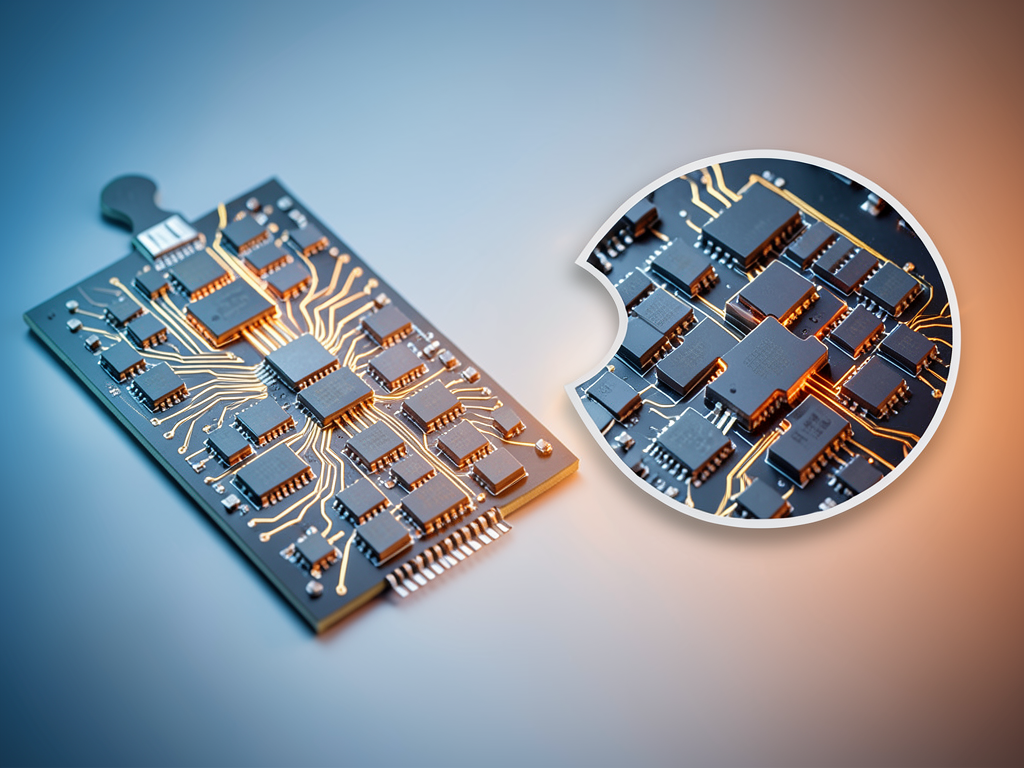
Qualcomm has secured a patent license for Huawei's LogicFolding chip architecture, a strategic move that grants the American chip designer access to one of the Chinese company's most closely guarded semiconductor innovations. The cross-licensing agreement, confirmed through patent filings, allows Qualcomm to integrate Huawei's proprietary LogicFolding design into its own processor development pipeline.
The LogicFolding Architecture
LogicFolding is a semiconductor design method that rearranges standard logic cells into a folded layout, reducing the area needed for digital circuits while maintaining signal integrity. The approach allows chipmakers to pack more transistors into the same die space, directly improving performance per watt. Huawei developed the technique for its Kirin mobile processors and has since expanded it to server and AI chips.
For Qualcomm, integrating LogicFolding into its Snapdragon and upcoming Oryon CPU designs could yield significant gains in smartphone and laptop battery life. The technology also complements Qualcomm's existing work in advanced packaging and heterogeneous computing.
Geopolitical and Industry Context
The licensing deal stands out against the backdrop of US-China technology tensions. Huawei has been barred from buying American chips and using US-origin software for chip design since 2019. Qualcomm, however, has maintained limited licensing arrangements with Huawei, including earlier 5G patent deals. This LogicFolding agreement extends that relationship into core chip IP.
Other major chip designers have largely avoided direct patent licensing with Huawei due to compliance risks. Qualcomm's willingness to pursue this deal suggests a calculated assessment that the technology's benefits outweigh potential regulatory scrutiny.
Why This Matters
The immediate consequence is a potential shift in mobile chip performance. If Qualcomm successfully deploys LogicFolding in commercial products, it could close the gap with Apple's in-house chip designs and widen the lead over MediaTek. For Huawei, the deal provides a new revenue stream from patent royalties, offsetting some losses from US sanctions.
Longer term, the agreement may set a precedent for other Western companies to license Huawei's semiconductor IP, if sanctions regimes allow. It also demonstrates that Huawei's chip research remains competitive enough to command licensing fees from a global leader like Qualcomm.
What This Means for Competitors
The full impact of the LogicFolding license will depend on how quickly Qualcomm can adapt the technology to its own design flows and whether US regulators raise objections. For now, the deal signals that chip innovation continues to cross political boundaries, even in a divided semiconductor market.