Senior Editor: Alan Agbele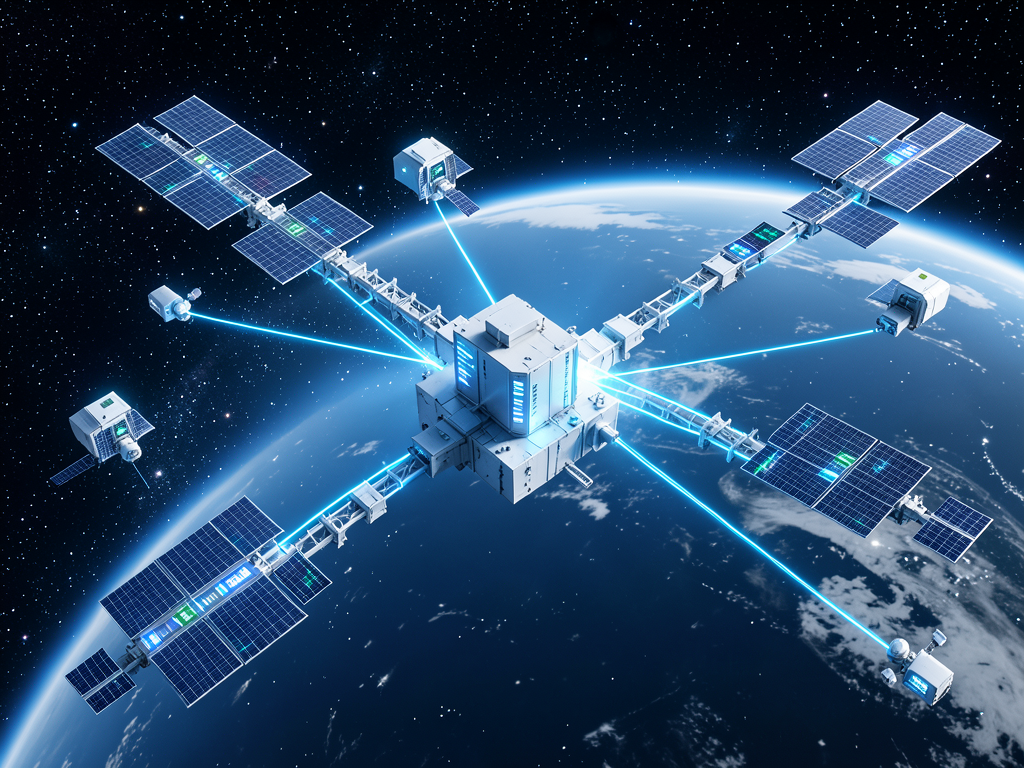
SpaceX has revealed a timeline that puts orbital data centers on the near horizon, signaling a shift in how computing infrastructure could be deployed beyond Earth. The company's latest statements suggest satellite-based data processing will arrive far sooner than most industry observers had predicted.
The Vision for Space-Based Computing
SpaceX envisions a network of orbiting data centers that work in concert with its Starlink satellite constellation. Instead of beaming raw data to ground stations for processing, orbital nodes would handle computation in orbit. That setup would bypass terrestrial bottlenecks and provide near-instantaneous processing for users anywhere on the planet.
The approach mirrors trends in terrestrial edge computing but pushes the edge into orbit. This model of satellite computing could become a new standard for global data processing. Key advantages include:
Technical Hurdles and Practical Benefits
Building a functional data center in space presents significant engineering challenges. Cooling is a major concern because traditional air-based systems do not work in vacuum. Radiation shielding is required to protect sensitive electronics. Power must come from solar panels with battery storage for eclipse periods.
SpaceX has not disclosed full technical specifications, but the company's experience with Starlink satellites and Dragon spacecraft gives it a strong foundation. The same mass-production and launch capabilities that drove Starlink's growth could accelerate orbital data center deployment.
Why This Matters
The arrival of orbital data centers would reshape the economics of global computing. Cloud providers could offer space-based processing as a premium low-latency service. Governments and militaries could deploy secure sovereign computing assets in orbit. For consumers, the benefits would appear as faster response times in satellite internet services, remote work tools and real-time applications like gaming or telemedicine.
The biggest shift may be in how we think about infrastructure. Once computing moves into orbit, the physical constraints of geography and undersea cables become less relevant. SpaceX's timeline, if realized, could compress decades of speculation into just a few years.