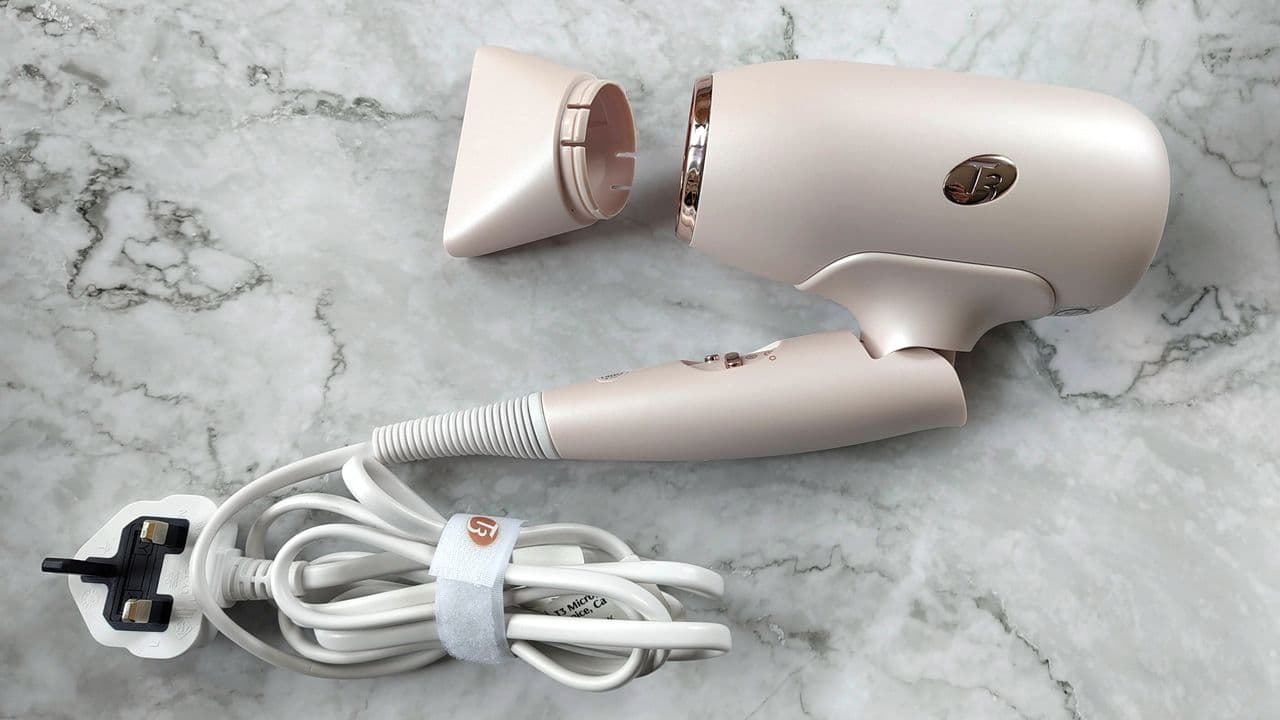
Mini hair dryers have long been considered a compromise for travelers. But a growing number of users now claim compact models can outperform their full-size counterparts, raising questions about the future of home hair care tools.
One frequent traveler recently shared that a small portable dryer completely replaced a standard full-size device. The claim is not isolated. Reviews across retail platforms increasingly praise compact dryers for their power, speed and convenience. The trend suggests a broader shift in how consumers approach personal grooming technology.
The Shift in Portable Tech
Hair dryer manufacturers have focused on shrinking size without sacrificing performance. Advances in motor technology and heat control allow small devices to match or exceed the drying speed of larger units. Many portable models now use ceramic or tourmaline heating elements, materials once reserved for premium full-size dryers.
This evolution mirrors earlier developments in other consumer electronics. Laptops, cameras and headphones all underwent miniaturization without losing capability. Hair tools now follow the same path. Portable dryers weighing under a pound can produce airflow strong enough for thick or curly hair.
Consumer Preferences Redefine Product Categories
The success of travel dryers at home reflects changing user priorities. People want tools that save space and time. A compact dryer fits in a bathroom drawer or gym bag. It eliminates the need for separate units in different locations.
Price has also played a role. High-end mini dryers from brands like Drybar, T3 and Conair now cost between $30 and $100. That range undercuts many full-size premium models that cost $200 or more. Buyers see value in investing in a versatile tool that works for both daily routines and trips.
Why This Matters
This shift affects both manufacturers and consumers. Appliance makers must rethink product lines that separate travel and home use. If portable dryers become the primary choice, demand for large clunky models may decline. For buyers, the change means they can purchase one device that meets multiple needs, reducing clutter and expense.
The trend also highlights a broader principle in consumer tech. Smaller does not have to mean weaker. As component engineering improves, the line between portable and permanent equipment continues to blur. Hair dryers are just the latest example of this rule.
What to Look for in a Compact Dryer
Shoppers considering a switch should focus on wattage, weight and heat settings. Models with at least 1200 watts provide enough power for most hair types. Look for concentrator nozzles to direct airflow. Avoid single-speed units that lack heat controls. These simple features make the difference between a useful tool and a frustrating accessory.
The portable hair dryer market is still growing. Early adopters already prove that a small device can handle daily demands. For anyone tired of managing a bulky full-size dryer, the compact alternative is worth serious consideration.