Editor: Porcia Akua Holmes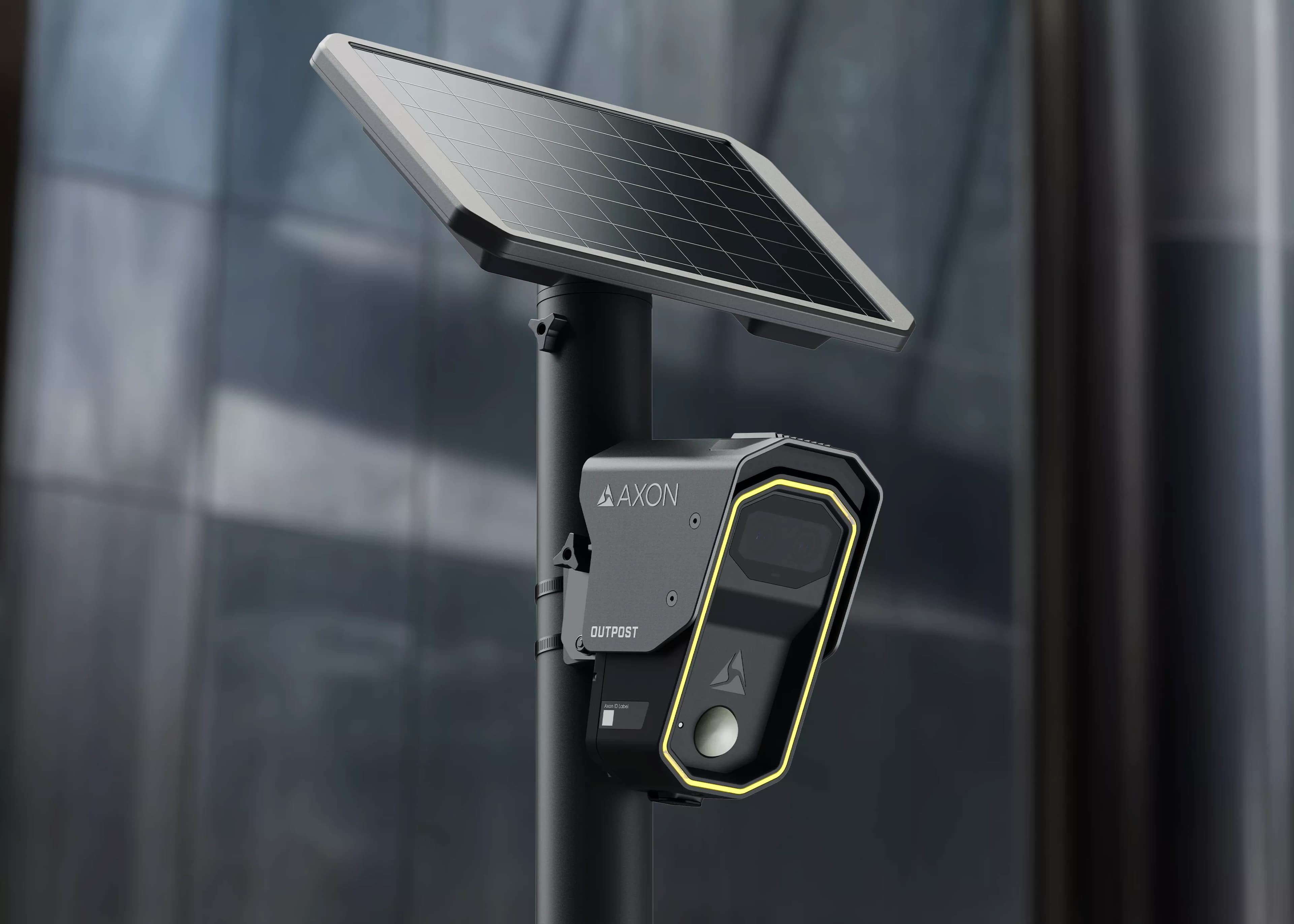
Law enforcement agencies are urging Axon to alter the design of its Automatic License Plate Readers so officers' cameras are no longer mistaken for those made by Flock, a company whose devices have become frequent targets of vandalism. The request signals a growing operational problem for police departments that rely on surveillance technology facing public backlash.
Design Similarity Creates Target Risk
Axon's current ALPR units share a comparable form factor with Flock's widely deployed cameras, making it difficult for vandals to tell them apart. As anti-surveillance incidents have risen, police report that their equipment is being damaged simply because of the resemblance. The issue has forced departments to consider protective measures or replacements, adding unexpected costs to already tight budgets.
Broader Pushback Against Mass Surveillance
The redesign request is part of a wider trend of public resistance to automated monitoring technologies. Flock cameras, which are often placed in neighborhoods to track vehicle movements, have drawn criticism from privacy advocates and activists who view them as an intrusion. Vandalism of these cameras has become a form of protest, and Axon now finds its own products caught in that backlash. By differentiating its hardware, Axon hopes to protect its customer relationships and avoid becoming a secondary target.
Why This Matters
This situation represents a turning point for both police and surveillance vendors. If Axon redesigns its ALPRs, it could set a precedent for other manufacturers to consider vandalism resistance and visual distinctiveness as core design requirements. For police, the incident underscores the operational risks of adopting widely recognized surveillance tools in polarized communities. The outcome may influence how law enforcement agencies evaluate future technology purchases and whether public resentment continues to drive hardware decisions. Ultimately, the conflict between utility and perception is forcing the industry to adapt in ways few anticipated.