Editor: Porcia Akua Holmes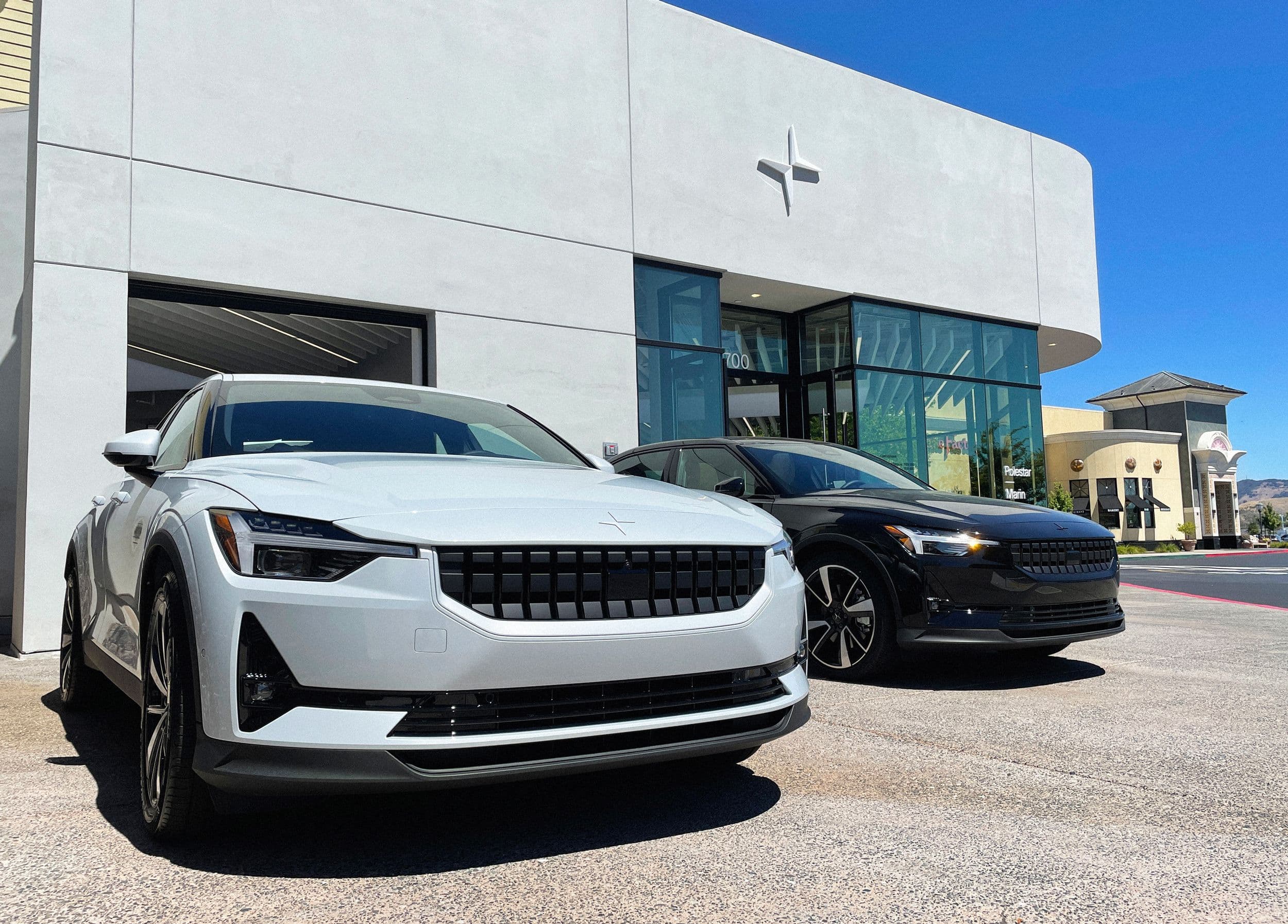
When the law kills your electric car dealership, dealers like those invested in Polestar are left without a market. The US federal government has denied an authorization that would have allowed the Swedish brand, owned by China's Geely, to avoid a ban on Chinese technology. As a result, Polestar dealerships across the country cannot sell vehicles next year, stranding millions of dollars in dealer investments.
The Federal Decision That Blocked Polestar
Polestar had requested an exemption from a US Commerce Department rule that effectively bans Chinese-origin connected vehicle technology. The rule, issued under the Biden administration, targets software and hardware from China-based companies, citing national security risks. Polestar argued that its vehicles are designed in Sweden and assembled in China with Western components, but the government denied the waiver. This forces the company to halt US sales starting in 2025.
Dealers Left Holding the Bag
Independent dealers who invested in Polestar franchises now face an impossible situation. They spent millions on showrooms, charging infrastructure and staff training, expecting a steady supply of Polestar 2 and 3 models. With sales blocked, these dealers cannot recoup their costs. Some may pivot to other EV brands, but few alternatives offer the same margins or brand cachet. The denial effectively destroys the value of their dealership licenses.
Broader Implications for Chinese-Branded EVs
Polestar is not alone. Other Chinese automakers or Chinese-invested brands, including BYD and Nio, face similar barriers in the US market. The federal law, paired with the Inflation Reduction Act's domestic manufacturing requirements, creates a near-total blockade. This protects American automakers but limits consumer choice and slows EV adoption. Dealers who bet on global brands are caught in a geopolitical crossfire with no easy escape.
Why This Matters
The Polestar decision signals that the US will aggressively enforce technology bans even against Western-branded vehicles built in China. For dealers, the financial damage is immediate and irreversible. For consumers, fewer EV options mean higher prices and longer wait times. The ruling also tests whether the US can maintain an open trade environment while pursuing national security goals. If more waivers are denied, the electric car dealership model for Chinese-linked brands may collapse entirely.