Senior Editor: Alan Agbele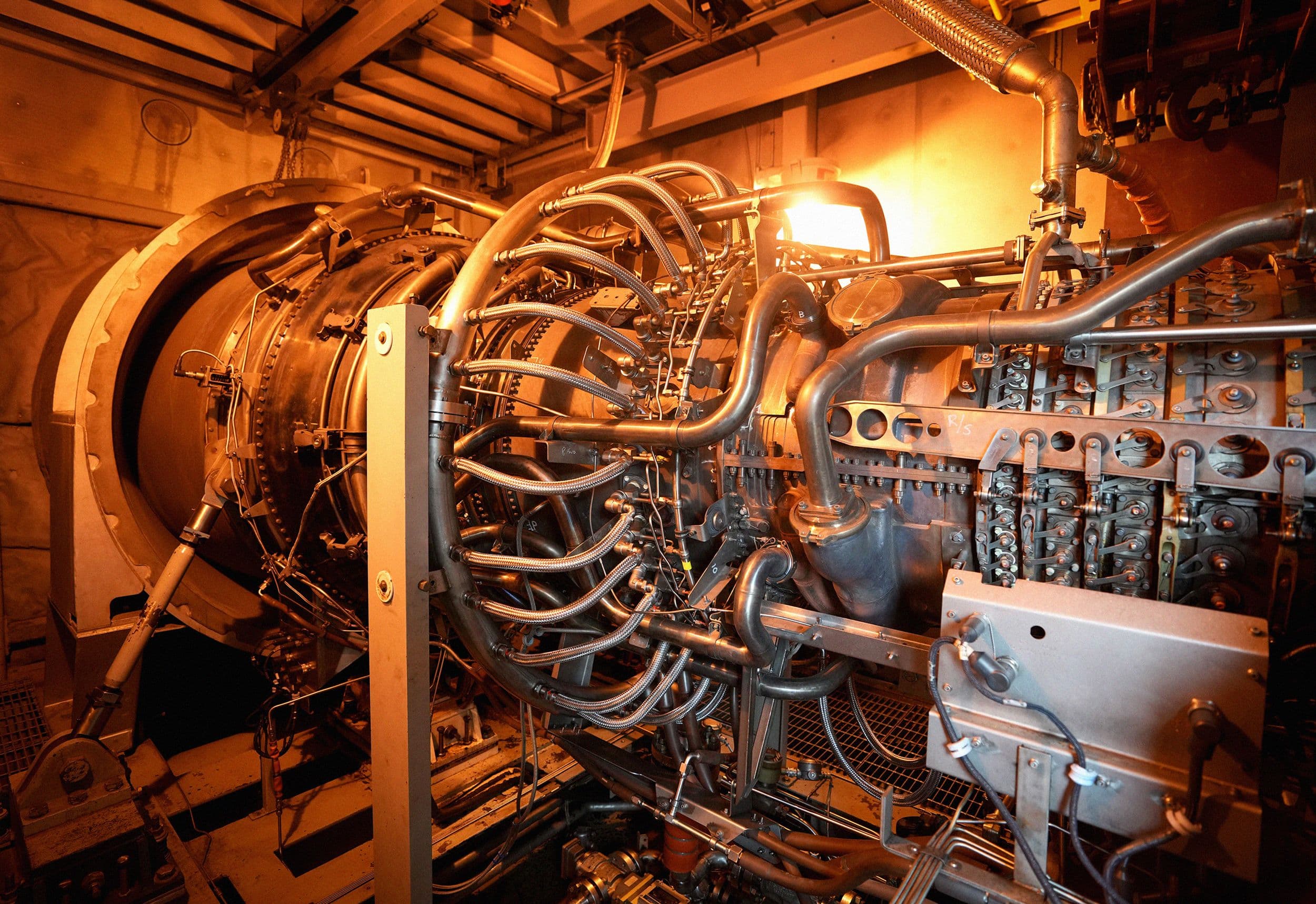
A massive new gas plant in Texas will supply power to data centers using technology that is significantly less efficient than typical power stations. This project highlights a growing pattern in the energy industry where data center operators prioritize speed and reliability over environmental performance.
The Efficiency Gap
Modern natural gas power plants typically use combined-cycle technology, which captures waste heat to generate additional electricity. This method can achieve thermal efficiency above 60 percent. The Texas project, however, relies on simple-cycle turbines that operate at roughly 35 to 40 percent efficiency. The difference means the plant will burn more gas for each unit of electricity delivered to data center servers.
Industry documents describe the decision as driven by the need for faster construction and lower upfront costs. Combined-cycle plants require additional equipment and longer build times. For data center operators racing to expand capacity for AI workloads and cloud services, speed often outweighs long-term fuel savings.
Why Dirty Power Persists
Data centers demand power that can ramp up and down quickly to match fluctuating computing loads. Simple-cycle gas turbines excel at this load-following role, while combined-cycle units are more efficient at steady baseload operation. The trade-off between responsiveness and efficiency creates a structural incentive for dirtier generation.
Compounding the issue, many data center locations lack access to large natural gas pipelines. This forces developers to use smaller, more polluting turbines or even backup diesel generators. The phrase The Real Reason Data Center Gas Power Plants Are So Dirty A captures the core problem: operational constraints drive technology choice, and technology choice drives emissions.
Why This Matters
The Texas plant is not an isolated case. Multiple data center gas projects across the United States are opting for simple-cycle designs. According to energy analysts, if this trend continues, the tech industry's carbon footprint could grow faster than expected. Regulators in some states are starting to examine power purchase agreements and permits for these facilities. Environmental groups argue that data center operators should instead pair renewable energy with battery storage, or invest in grid upgrades.
The practical impact is straightforward: more gas burned per unit of computing means higher emissions and more strain on climate targets. For companies like Google, Microsoft and Amazon that have pledged net-zero goals, the choice to use inefficient gas plants represents a direct conflict between expansion speed and sustainability promises.