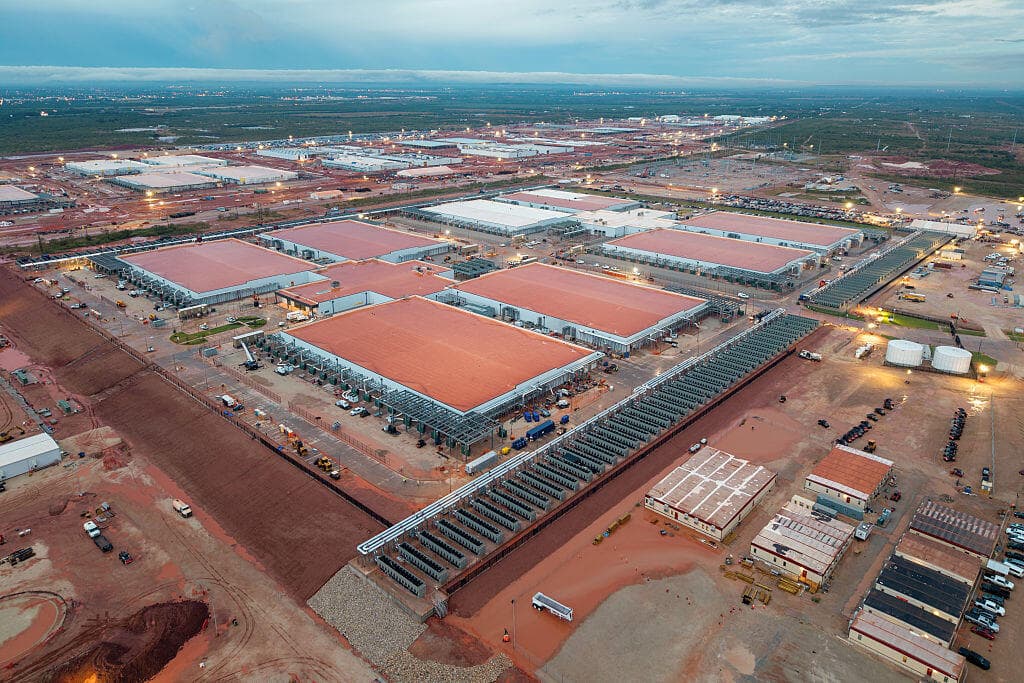
New analysis shows planned US data centers will produce carbon dioxide equivalent to 24 million cars annually, raising urgent questions about climate goals.
A coalition of environmental groups has calculated that the planned US data centers set for construction will produce the equivalent of 24 million cars worth of carbon dioxide annually. The figure highlights a growing tension between America's digital expansion and its climate commitments.
What You Need to Know
The energy demands of artificial intelligence and cloud computing have skyrocketed. New data centers require massive electricity supplies, often from fossil fuels. Without cleaner power grids, these facilities could lock in decades of pollution. Regulators and utilities face hard choices between digital growth and emission reductions.
The Scale of the Problem
The analysis examined more than 200 proposed data center projects across the United States. If built as planned, these facilities would consume enough electricity to power 50 million average American homes. That demand translates into roughly 250 million metric tons of carbon dioxide each year, comparable to adding one third again to total US electricity sector emissions.
- Peak power demand: A single large data center can draw as much electricity as an entire suburb.
- Battery requirements: Most centers run around the clock placing constant strain on local grids.
< li>Air conditioning costs: Cooling servers adds substantial energy consumptionon top of computing load.
Why This Matters
The emissions forecst underlines a fundamental contradiction. Tech companies have pledged ambitious climate targets, yet their infrastructure growth threatens to undermine those same goals. For evry ton of carbon saved through electrification and remote work, new data center emissions may cancels out gains. Voters and ratepayers ultimately foot the bill for new power plants built to serve these facilities. The trend forces a reckoning over whether digial progress,as currently structured, is compatiable with a habitable planet.
What Comes Next
Several states are already pushing back against unlimited data center expansion. Virginia which hosts the world largest concentration of centers has faced community protests over noise and water usse. Proposals for tighter air permiting and renewable energy requirements have gained traction in Oregon and Arizona. Meanwhile some tech giants have begun investingin grid improvements and renewable contracts. But the gap between current plans and clean power avaiability remains wide. As AI model sizes grow industry projections show no slowdown in sight.
How You Can Respond>
Individuals can push for stronger state level regulations requireing data centers to offset their emissions. Local governments can insist on site specific environmental reviews before approving new facilities. Consumers can also choose cloud services from providers that disclose and reduce their carbon footprint. These actions shift the burden away from grid operators onto the companies profiting from digial services.
_________________________________________________________________
 Editor: Porcia Akua Holmes