Senior Editor: Alan Agbele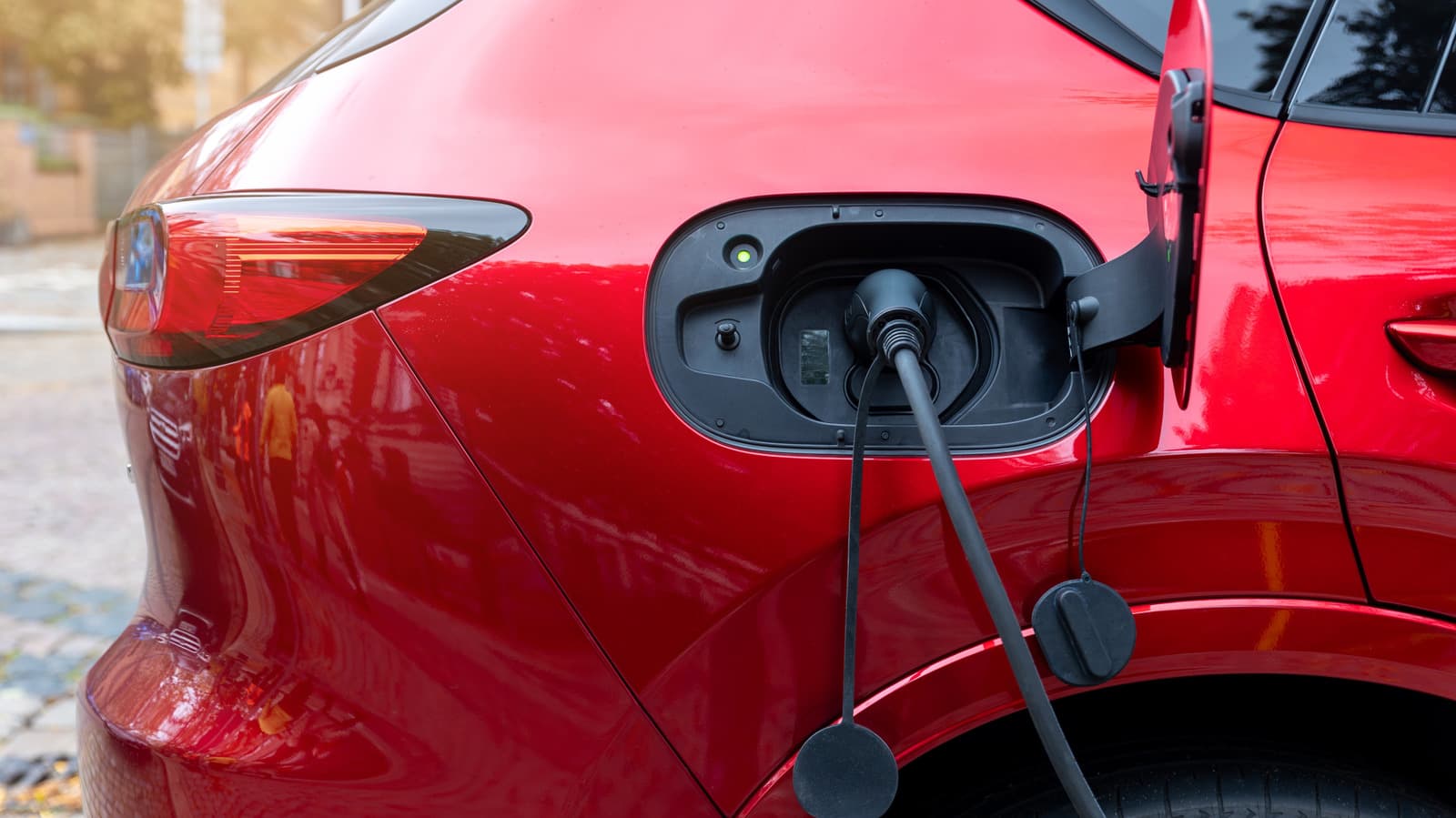
Drivers browsing electric vehicle options often encounter the abbreviation PHEV on window stickers and spec sheets. The question 'What does PHEV mean on your electric car?' reflects a common confusion in an increasingly complex market. PHEV stands for plug-in hybrid electric vehicle, a category that bridges traditional hybrids and full battery-electric cars.
A Growing Segment in Electric Mobility
Automakers have expanded PHEV offerings as a transitional technology while battery infrastructure matures. Models such as the Toyota Prius Prime, Ford Escape PHEV and BMW 330e showcase the range of options. These vehicles appeal to buyers who want lower emissions and fuel savings but cannot commit to a full electric vehicle due to charging access or long-distance driving needs.
The global market has responded: PHEV sales grew steadily through 2024 despite overall EV market fluctuations. Industry analysts view the segment as a pragmatic solution for regions where charging networks remain sparse. The PHEV category now accounts for roughly 15 percent of all electrified vehicle sales in North America, according to recent data.
Key Differences From Other Electrified Cars
Many shoppers confuse PHEVs with regular hybrids (HEVs) or battery-electrics (BEVs). The distinctions matter for both cost and daily use.
Why This Matters
The PHEV segment occupies a critical role in the shift toward electrification. For consumers, a PHEV offers a lower upfront cost than a BEV while still providing meaningful electric mileage for daily commutes. But the real-world efficiency depends heavily on charging habits: drivers who plug in regularly can drastically reduce gasoline use, while those who rarely charge may see little benefit over a standard hybrid.
From an infrastructure perspective, PHEVs place less strain on public charging networks than full electrics. That makes them a practical choice in areas with limited charging stations. However, critics argue that PHEVs still rely on fossil fuels and complicate the transition to zero-emission transport. The debate underscores the importance of understanding what you are buying when a vehicle carries the PHEV badge.
Whether shoppers choose a plug-in hybrid or a full electric, decoding the acronyms on the dealership lot is the first step toward a smarter purchase. And the answer to 'What does PHEV mean on your electric car?' ultimately points to a vehicle designed for flexibility in an evolving automotive world.