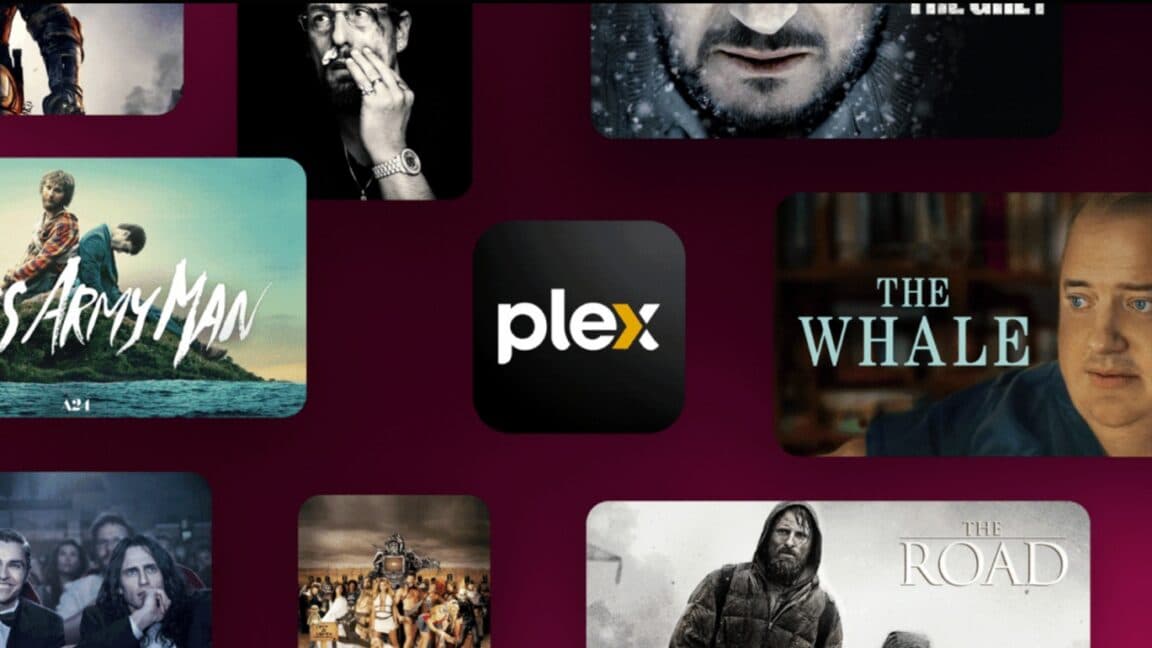
Plex is no longer just a tool for organizing personal media libraries. The company rolled out social features Wednesday that let users create and share curated lists of movies, shows and episodes. The move marks another step in Plex's transformation from a media server utility into a broader entertainment platform.
New Social Tools for Users
Users can now build personalized lists of any movie, show or episode and share them across the platform. The feature goes live today. Later this year, Plex will allow users to import lists from other streaming services and react to lists created by others.
The company also plans to launch a community forum this month. The forum will let users post and comment directly on any movie, show, season or episode. The goal is to turn Plex into a destination for discussion, not just playback.
Why This Matters
Plex started as a way for users to stream their own media files. The service has steadily added free ad-supported content, live TV and now social layers. For users, the new features create a more interactive experience. They can discover content through friends and the community rather than relying solely on algorithms.
The changes also signal Plex's ambition to compete with platforms like Letterboxd and IMDb. By embedding social interactions directly into the media player, Plex hopes to keep users engaged longer. The strategy could help Plex attract more advertisers and premium subscribers.
Match Scores and Future Plans
Later this year, Plex will introduce a feature called Match Scores. These scores will predict how much a viewer will like a show or movie based on their watch history and past ratings. The company aims to make recommendations more personal and transparent.
Plex did not announce a specific launch date for the import and match score features. The company said they will arrive as part of a broader update later in 2026.
For users who already rely on Plex for their media, the new social tools add a layer of discovery and community. For the company, they represent a bet that social engagement can drive growth beyond the traditional media server audience.