Editor: Porcia Akua Holmes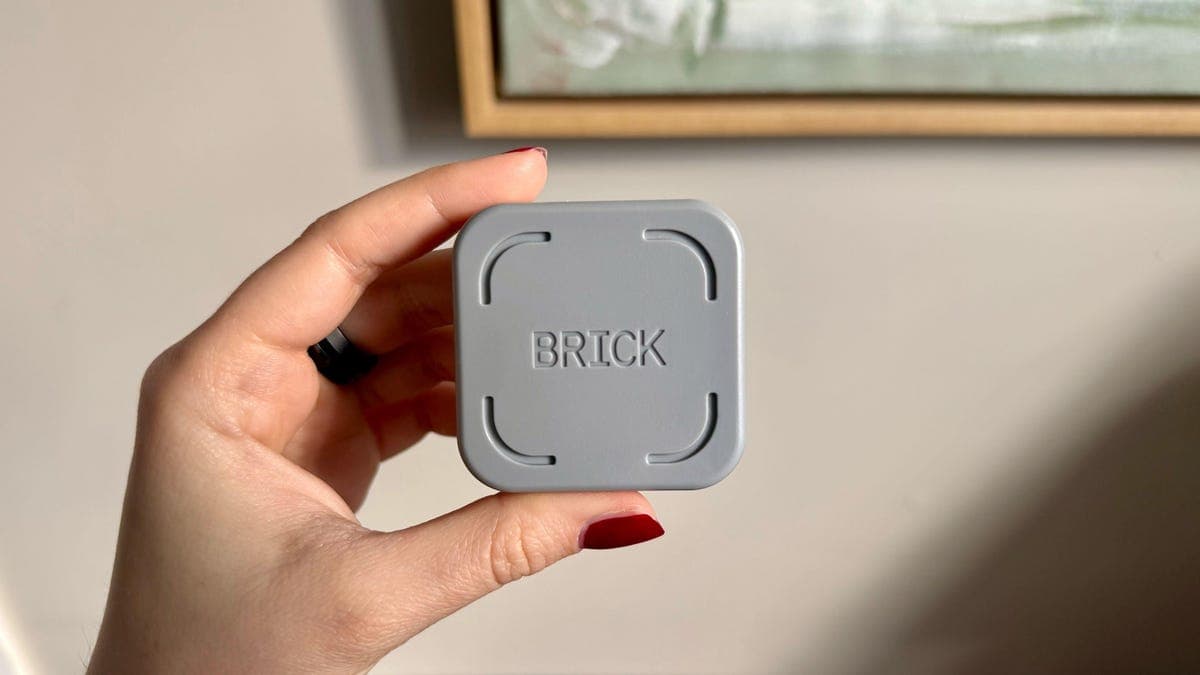
A pocket-sized device that physically blocks phone functions is drawing renewed attention from consumers struggling to reduce screen time. The gadget, called Brick, represents a small but growing category of hardware designed to enforce digital breaks without relying on willpower alone.
The Mechanics of Friction
Brick works by placing a small magnetic block over the phone's screen, preventing the user from tapping certain areas. The approach adds a literal barrier between the person and their apps. This method, known as friction design, forces a moment of pause before the user can re-engage with distracting software.
Unlike software-based screen time tools, which can be disabled with a few taps, Brick requires physical removal. This extra step gives the brain time to reconsider the impulse. The device is programmable, allowing users to designate which apps should be blocked and for how long.
Why This Matters
The rise of physical screen time blockers signals a recognition that digital self-control strategies often fail. Software solutions from Apple and Google, while widely used, have not reversed the trend of rising screen time. Hardware like Brick introduces a new layer of accountability. For consumers who have repeatedly tried and failed to cut back, these gadgets offer a last-resort option. The market implications are clear: if software cannot solve the attention crisis, hardware will step in.
The Broader Trend in Digital Wellness
Brick is not alone. A handful of startups have released similar products that rely on physical interaction rather than digital prompts. The category has grown as researchers and clinicians warn about the negative effects of excessive screen use on sleep, productivity and mental health.
The shift toward hardware reflects a deeper frustration with the limits of digital self-regulation. As awareness of screen time's toll increases, gadgets like Brick may become a common tool in the fight for focused attention.