Senior Editor: Alan Agbele
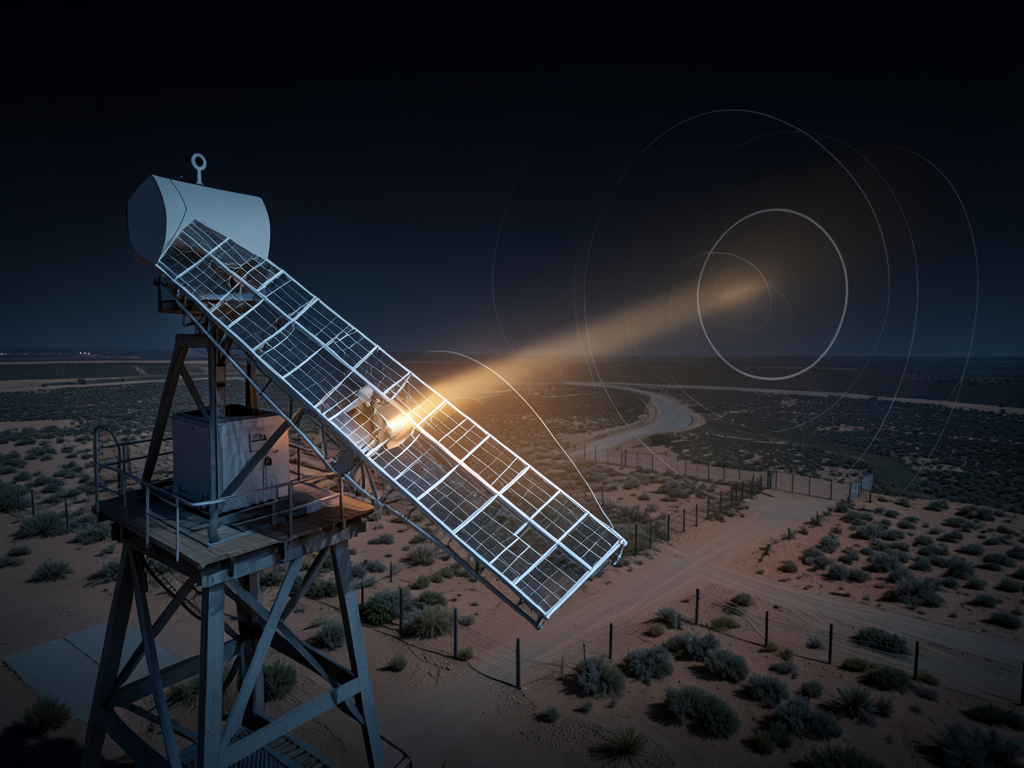
The Pentagon has granted the Department of Homeland Security permission to test a heat ray weapon at the border, a move that pushes directed-energy technology from military labs into domestic security operations.
From Battlefield to Border
The Pentagon's decision to allow the Department of Homeland Security to test a heat ray at the border represents a significant shift in how military technology is repurposed for domestic use. The weapon, which uses focused beams of energy to repel individuals, has been in development for years.
Its move to the border, however, raises immediate questions about oversight and the rules governing such deployments. The Pentagon has not disclosed the specific location or duration of the test.
How the Heat Ray Works
The system, known as the Active Denial System, directs a beam of millimeter waves at a target. The energy penetrates only the top layer of skin, creating an intense heating sensation that forces people to move away.
Military researchers have promoted it as a non-lethal alternative to firearms or physical force. Critics, however, argue that the technology can cause severe pain and that its effects on vulnerable populations remain poorly understood.
Why This Matters
The Pentagon's authorization directly affects border communities, civil liberties advocates and the agencies tasked with enforcing immigration law. If the test proceeds, it could normalize the use of heat ray weapons in domestic policing, a scenario that has alarmed human rights organizations.
Legal experts also note that the Posse Comitatus Act restricts military involvement in domestic law enforcement. The Pentagon's permission, however, may create a loophole by transferring technology rather than personnel. This distinction could reshape the legal landscape for years to come.
The Road Ahead for Directed-Energy Weapons
The test is likely to accelerate the development and adoption of directed-energy weapons beyond the military. Companies that manufacture these systems may see new demand from law enforcement agencies.
At the same time, the Pentagon's decision could invite congressional scrutiny. Lawmakers have previously questioned the safety and effectiveness of heat ray technology, and the border test may revive those debates.
For now, the Pentagon has not released a timeline for the test. The Department of Homeland Security has also declined to comment on operational details. The lack of transparency, critics say, only deepens concerns about how this powerful technology will be used.