Senior Editor: Alan Agbele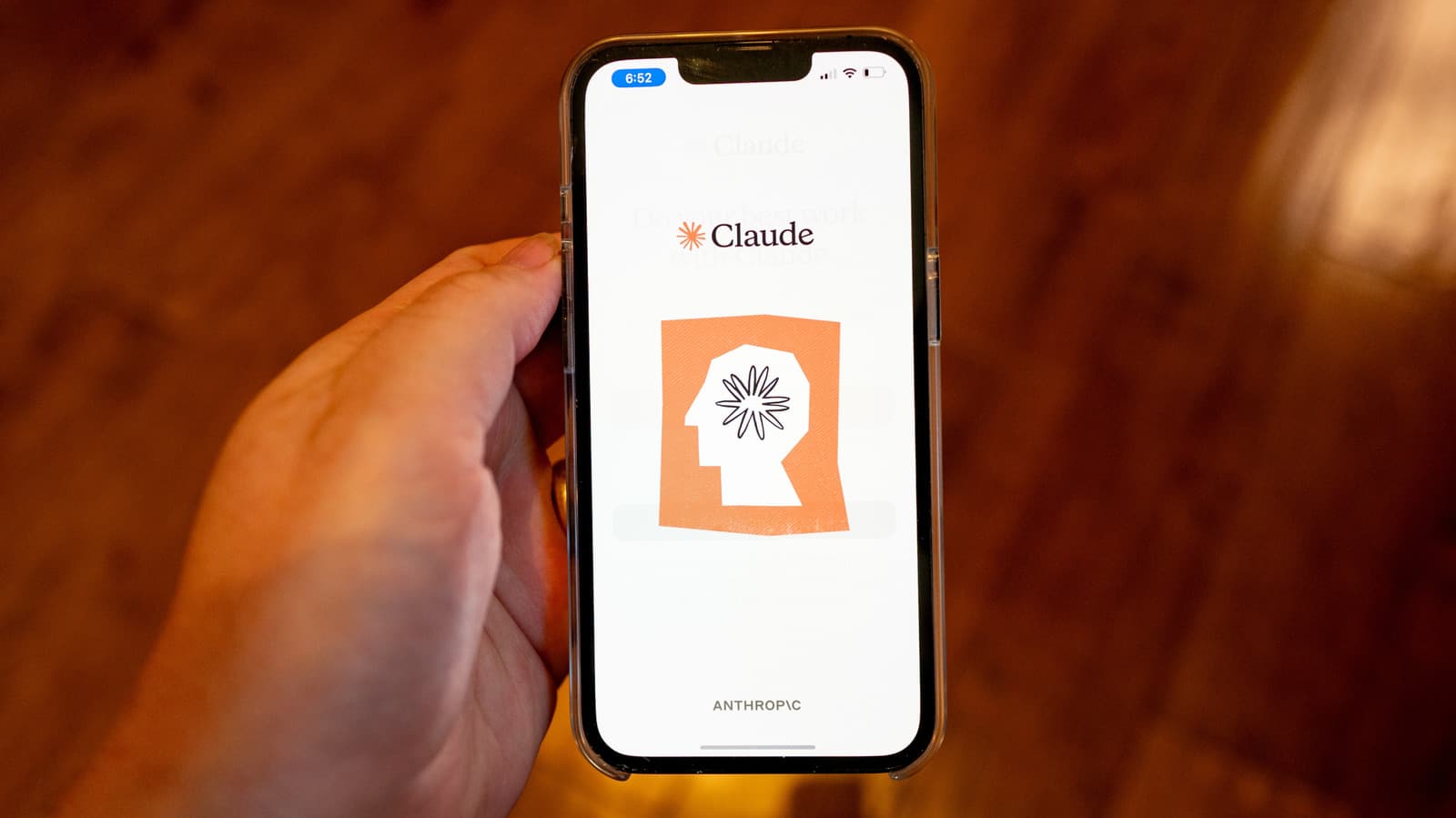
Anthropic, the company behind the Claude chatbot, presents a paradox for corporate governance watchers. While the firm is privately held and backed by deep-pocketed investors including Google and Amazon, a separate trust holds special voting rights that could override shareholder interests. This layered structure raises fundamental questions about who truly steers the AI developer's strategic direction.
A Dual Ownership Model
Anthropic's governance rests on two pillars. The company itself is a public benefit corporation legally required to balance shareholder interests with broader societal benefits. On top of that, a long-term benefit trust holds shares with special voting rights on major corporate actions such as mergers or changes to the company's charter. This trust effectively gives a small group of directors, including CEO Dario Amodei, the ability to block decisions that conflict with the founding mission of building safe artificial intelligence.
Investor Influence and Tensions
Google and Amazon have each invested billions into Anthropic, securing cloud computing contracts and access to the company's AI models. Their stakes, however, come with limited governance power due to the trust structure. This arrangement creates a potential friction point. Investors typically expect a return, while the trust's fiduciary duty is tied to the company's long-term safety mission. How that tension plays out could determine future strategies around product releases, fundraising rounds and partnerships.
Why This Matters
The implications of Anthropic's governance go far beyond one company. As artificial intelligence becomes more powerful, the structures that control its development are as important as the technology itself. Anthropic's model could become a template for other AI firms trying to navigate the conflict between profit and safety. Conversely, if investors push back or the trust structure is challenged in court, it could reshape how the entire industry governs itself. Regulators, already scrutinizing AI, may also take a closer look at whether such trust arrangements effectively align incentives with the public interest.
For Claude's millions of users, the debate over who controls Anthropic matters directly. Decisions about model behavior, safety thresholds and data use ultimately flow from the governance system above. Understanding that system is essential for anyone relying on or building with Anthropic's technology.