Editor: Porcia Akua Holmes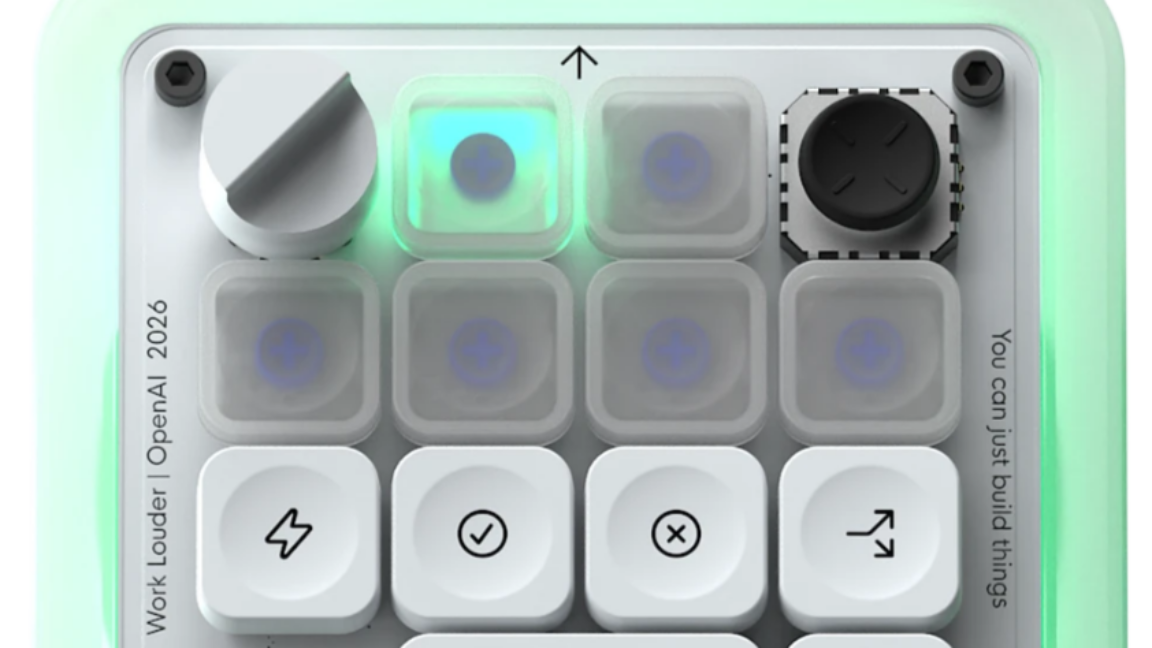
OpenAI has released its first branded hardware device, marking a shift from software-only products. The Codex Micro is a specialized mini-keyboard that uses illuminated keys to show the real-time status of Codex AI agents. Priced at $230, the device is a limited collaboration with Work Louder, a company known for similar customizable keyboards aimed at creative professionals.
How the Codex Keyboard Communicates Status
The top rows of the Codex Micro contain six translucent keys that glow in different colors depending on the state of an assigned Codex agent. This color system provides instant visual feedback so users do not need to check each thread manually. The active states include:
When a thread is idle, the key shows a steady white light. The keys can also flash to draw immediate focus, and tapping any illuminated key brings the corresponding Codex window to the front of the screen. This tactile approach reduces context switching for heavy users.
Built With Work Louder
OpenAI did not build the hardware from scratch. The Codex Micro is based on Work Louder's Creator Micro, a square-shaped, customizable macro pad popular among video editors and designers. The partnership keeps the same mechanical switches, chassis, and hot-swap capabilities. OpenAI's version adds six frosted keys with custom codex software integration and a distinct visual style.
Work Louder already sells a similar product line directly. The main difference in the Codex Micro is the direct link to OpenAI's agent platform and the color coding tied to Agent activity. This suggests OpenAI is testing the market for physical interfaces that make agent monitoring more immediate.
Why This Matters
OpenAI's decision to release a hardware device signals a strategic push beyond software into physical touchpoints for AI interaction. As autonomous agents become more common, users need ways to monitor multiple tasks without constant screen switching. A dedicated keyboard with status lights could become a standard tool for power users.
The limited nature of the collaboration also implies OpenAI is gathering data on demand and usage before committing to a larger hardware lineup. If the Codex Micro succeeds, it may pave the way for more OpenAI gadgets such as the rumored smart speaker or other ambient AI companions. For developers and professionals already using Codex agents, this device offers a practical way to reduce friction and keep agents running smoothly.
What This Means for AI Hardware
The Codex Micro is part of a broader trend where AI companies design dedicated peripherals. Similar devices from other firms focus on voice control or simple buttons. OpenAI's approach stands out by integrating directly with its agent ecosystem, making the keyboard a live dashboard rather than a simple input tool. This could influence how other AI platforms think about user interaction, especially in multitasking environments.