Senior Editor: Alan Agbele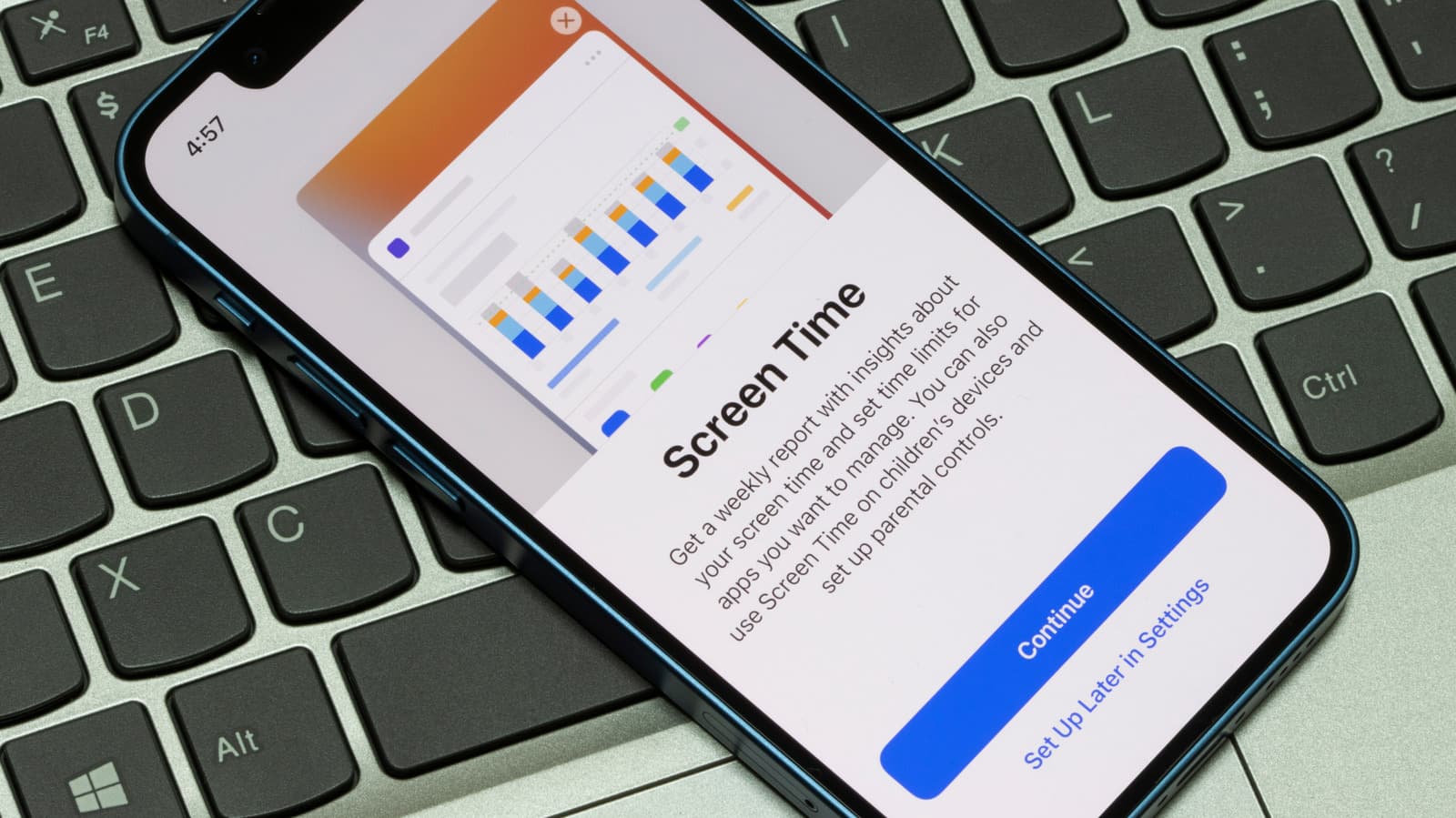
Apple's newest parental control update has turned a routine software change into a support headache for families. Users report that an outdated Apple Watch can block access to the parental control system entirely, and that settings configured during setup are not always applied afterward. The result is a feature designed to protect children that, for some households, simply refuses to work as intended.
Why Older Hardware Breaks the Setup
The failure points to a deeper architectural issue inside Apple's ecosystem. Parental controls are not a standalone app. They are a layer that runs across iPhones, iPads, Macs and Apple Watches, all of which must agree on the same configuration. When one device falls behind on software, the system can reject the setup process rather than degrade gracefully.
That design choice puts the burden on families. A parent who has not updated a child's Apple Watch, or who owns an older model that no longer receives current software, may find the entire control panel inaccessible. The problem is not limited to one device. It cascades.
Settings That Do Not Stick
A second complaint is more troubling than the first. Even when setup completes, the restrictions a parent selects are not always enforced. Screen Time limits, app blocks and content filters can appear active in the interface while having no effect on the child's device.
This gap between what the settings screen shows and what the device actually does undermines the core promise of the feature. Parents rely on these tools precisely because they cannot monitor every device in real time. A control that reports success while failing quietly is worse than one that reports an error.
Why This Matters
The stakes extend well beyond a single botched update. Apple has spent years positioning itself as the more privacy-conscious and family-friendly option among major platform holders, and parental controls are central to that pitch. If those controls prove unreliable, the company risks ceding ground to rivals such as Google, whose Family Link tools have their own flaws but compete directly on this terrain.
Regulators are also watching. Child safety online has become a live policy issue in the United States, the United Kingdom and the European Union, with lawmakers pressing platform owners to prove their age-verification and content-restriction tools actually function. A documented pattern of parental controls failing to apply would hand critics a concrete example to cite.
For parents, the immediate change is practical. Families running mixed-generation Apple hardware now need to verify that restrictions are genuinely active rather than assume the settings screen tells the truth. That verification step did not used to be necessary.
What Apple Users Should Check
Until Apple addresses the issue, households relying on these tools should confirm a few basics before trusting the configuration.
The Broader Pattern in Platform Updates
This episode fits a familiar rhythm in consumer software. Companies ship updates that assume users are running current hardware, then discover that real households are a patchwork of old and new devices. Apple's tight integration, normally a selling point, becomes a liability when one link in the chain is stale.
The company has not signaled how quickly a fix will arrive. Until it does, the burden of proof sits with parents, who must now treat parental controls as something to verify rather than something to trust.