Senior Editor: Alan Agbele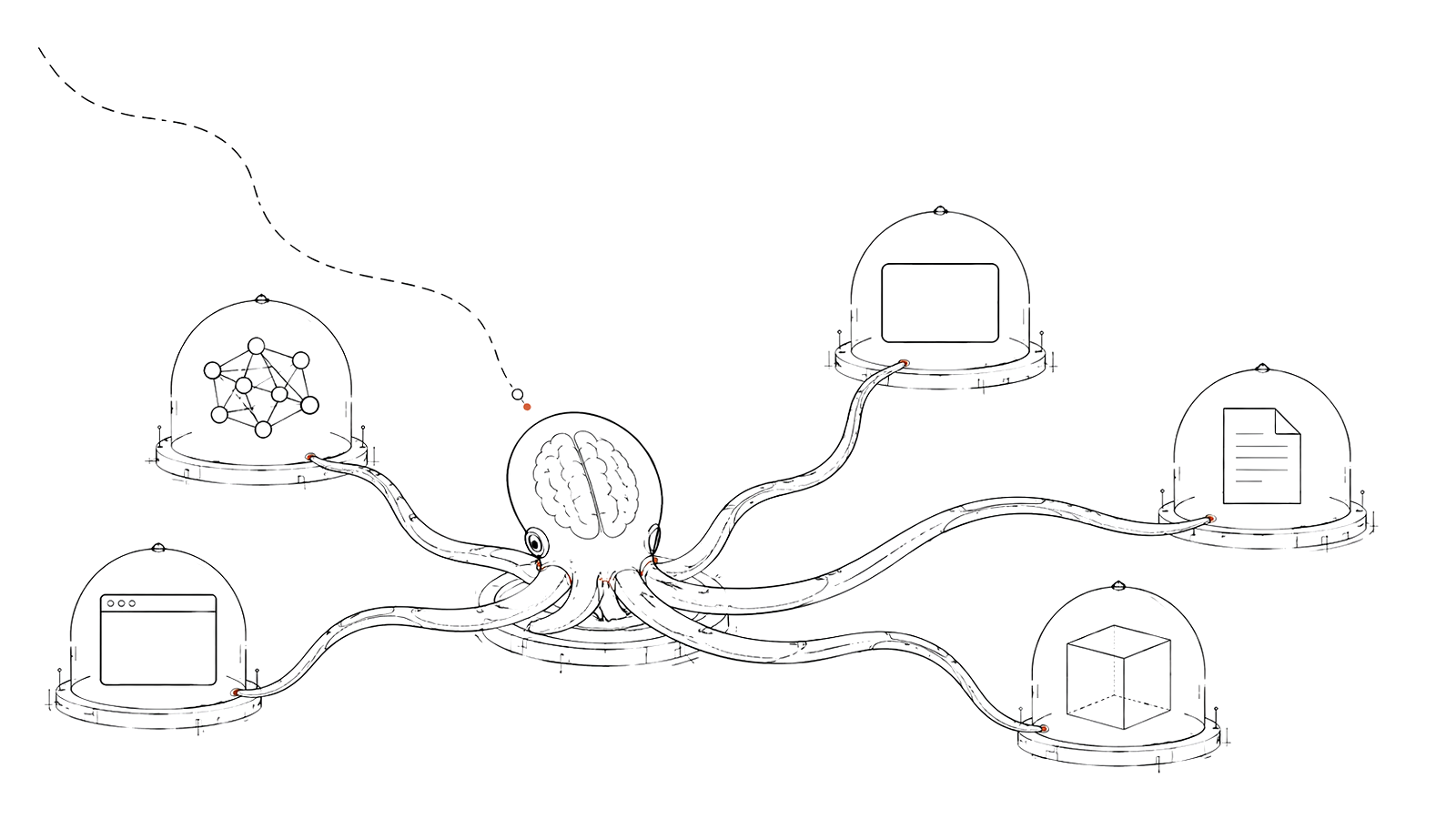
A new architectural concept for artificial intelligence agents is drawing inspiration from one of nature's most unusual creatures: the octopus. The so-called octopus architecture proposes a decentralized coordination model that could fundamentally change how multiple AI agents work together.
The Biological Blueprint
An octopus has a distributed nervous system. Its central brain sends high-level commands while each arm operates with significant autonomy, processing information and making local decisions independently. This biological design offers a compelling template for AI agent systems that need to balance centralized oversight with local flexibility.
Traditional multi-agent architectures often rely on a central controller that directs every action. This creates bottlenecks and single points of failure. The octopus model distributes decision-making across semi-autonomous agent clusters, each capable of handling specific tasks without constant communication with a central hub.
Technical Implementation
The architecture divides agents into two primary layers: a central coordinator analogous to the octopus brain and specialized sub-agents resembling individual arms. The coordinator sets broad objectives and monitors overall progress but does not micromanage operations.
Sub-agents operate within defined boundaries, using local context to make real-time decisions. They communicate with the coordinator only when necessary, such as when encountering an unfamiliar situation or completing a major milestone. This reduces communication overhead and allows the system to scale more effectively than centralized alternatives.
Why This Matters
This approach directly addresses two critical challenges in modern AI deployment: scalability and robustness. Current centralized agent systems struggle as they grow because every decision must pass through a single controller. The octopus architecture allows systems to expand by adding new sub-agents without overwhelming the coordinator.
The design also improves fault tolerance. If one sub-agent fails, others continue operating independently rather than bringing down the entire system. For industries deploying AI in complex environments such as autonomous vehicles, manufacturing or healthcare this resilience is essential.
Practical Applications
Early experiments suggest the architecture works well for tasks requiring parallel processing across diverse domains. A logistics company might use it to coordinate inventory management, route optimization and customer service agents simultaneously without requiring constant human intervention.
The model also shows promise for edge computing scenarios where network connectivity is unreliable. Sub-agents can continue functioning offline and synchronize results when connections are restored, mirroring how an octopus arm continues moving even after being severed from its brain temporarily.
Challenges Ahead
Implementing this architecture requires careful design of communication protocols between layers. Developers must define clear boundaries for sub-agent autonomy while ensuring alignment with overall objectives. Debugging distributed agent behavior also presents new difficulties compared to centralized systems.
The research community continues exploring variations on this theme including hybrid models that dynamically adjust autonomy levels based on task complexity or environmental conditions.