Editor: Porcia Akua Holmes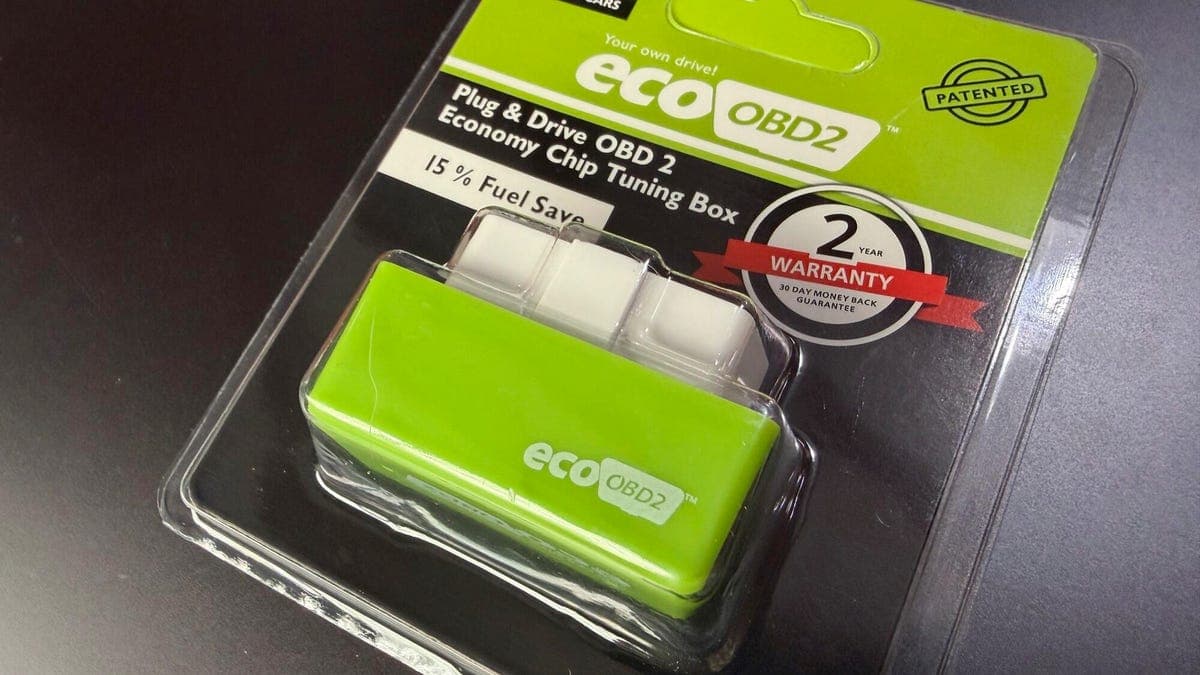
Drivers looking to cut fuel costs have long been tempted by cheap OBD2 dongles promising instant gas savings. These devices, which plug into a car's diagnostic port, claim to optimize engine performance and boost mileage. The reality is far less promising. Independent tests and automotive experts have repeatedly shown these gadgets do not work as advertised. Worse, some can interfere with a vehicle's electronic systems, creating safety risks.
The Truth About OBD2 Fuel Savers
OBD2 fuel savers are small electronic devices that connect to the onboard diagnostics port found in most cars built after 1996. Manufacturers claim they reprogram the engine control unit to improve fuel efficiency. In practice, these devices cannot override the factory calibration of modern vehicles. The engine control unit is designed to ignore external signals that do not match its programmed parameters.
Automotive engineers and consumer protection agencies have tested dozens of these products. None have demonstrated measurable fuel savings in controlled conditions. Some devices actually caused the check engine light to activate or disrupted sensor readings. The Federal Trade Commission has issued warnings about such products, labeling them as deceptive marketing.
A Safer Alternative for Saving Gas
Instead of relying on unproven gadgets, drivers can adopt proven methods to reduce fuel consumption. Proper vehicle maintenance remains the most effective strategy. Keeping tires inflated to the correct pressure reduces rolling resistance and improves mileage by up to 3 percent. Replacing a clogged air filter can boost efficiency by 10 percent in older cars.
Driving habits also play a major role. Aggressive acceleration and hard braking waste fuel. Maintaining a steady speed on highways using cruise control can improve economy by up to 15 percent. Removing excess weight from the trunk and roof racks reduces aerodynamic drag.
Why This Matters
The market for OBD2 fuel savers preys on consumer frustration with rising gas prices. Each year, drivers spend millions on devices that deliver no real savings. Beyond wasted money, these products can cause costly repairs or safety issues. Understanding the limitations of aftermarket OBD2 accessories helps consumers make informed decisions. The real path to lower fuel costs lies in routine maintenance and mindful driving, not plug-in gimmicks.