Editor: Porcia Akua Holmes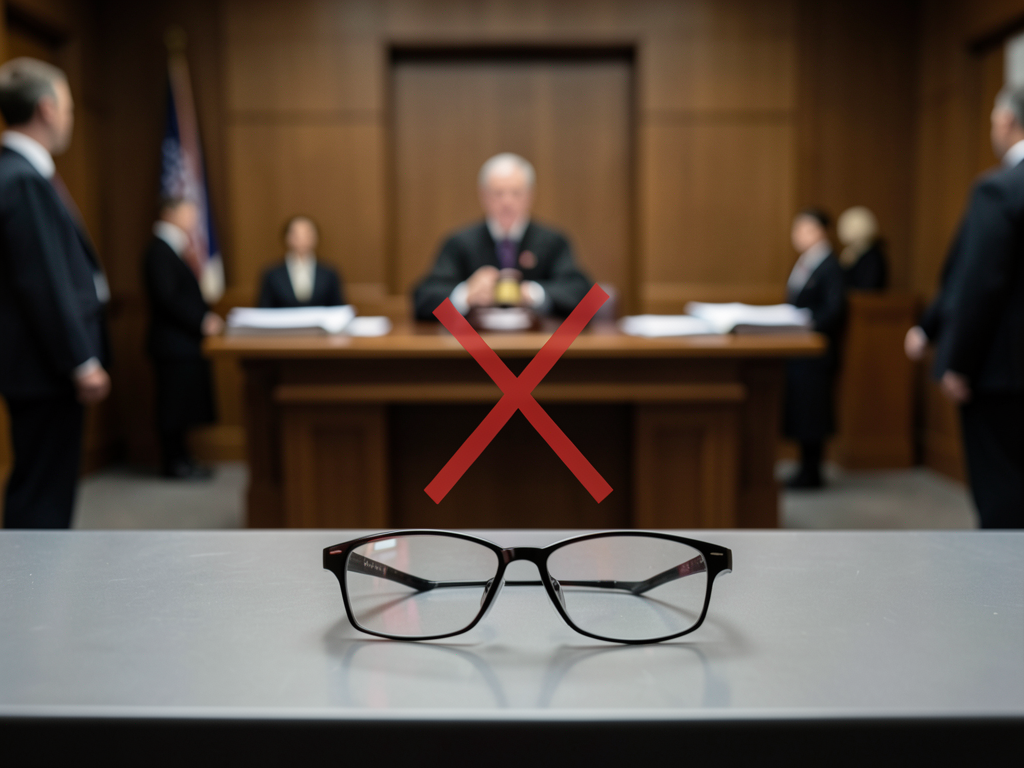
New York has become the first state in the nation to ban smart glasses and other recording-capable eyewear from courthouses, a move that sets a new precedent for courtroom security in the age of wearable technology.
Scope of the Ban
According to a memo seen by Syracuse.com, the ban covers glasses and headsets with built-in cameras, microphones or other recording functions. It does not exempt prescription lenses, meaning even individuals who require vision correction are barred from wearing smart glasses inside courtrooms. The order applies uniformly to all building entrants, including court employees and legal professionals.
Why This Matters
The ban addresses a growing concern over miniaturized recording devices that can be easily concealed in ordinary-looking eyewear. As smart glasses become more advanced and discreet, the risk of covert recordings in courtrooms increases. New York's move could influence other states to implement similar restrictions, especially as wearable technology continues to merge with everyday accessories. For court participants, the policy ensures that sensitive testimony and deliberations remain confidential. But the order also raises questions about how broadly such bans might extend to other public spaces, such as government buildings or schools, as similar devices proliferate.
Broader Implications for Privacy and Technology
New York's decision reflects a wider tension between technological innovation and privacy protections. Smart glasses from companies like Meta and Snap have pushed the boundaries of what wearable cameras can do. Yet the legal system has been slower to adapt to the risks these devices pose. By taking a statewide stance, New York signals that courtrooms are off-limits for wearable recording technology irrespective of form factor. Legal observers say this could lead to a patchwork of state regulations similar to those governing cell phone cameras in courtrooms. The challenge for lawmakers will be balancing public access with the need to protect judicial integrity.