Editor: Porcia Akua Holmes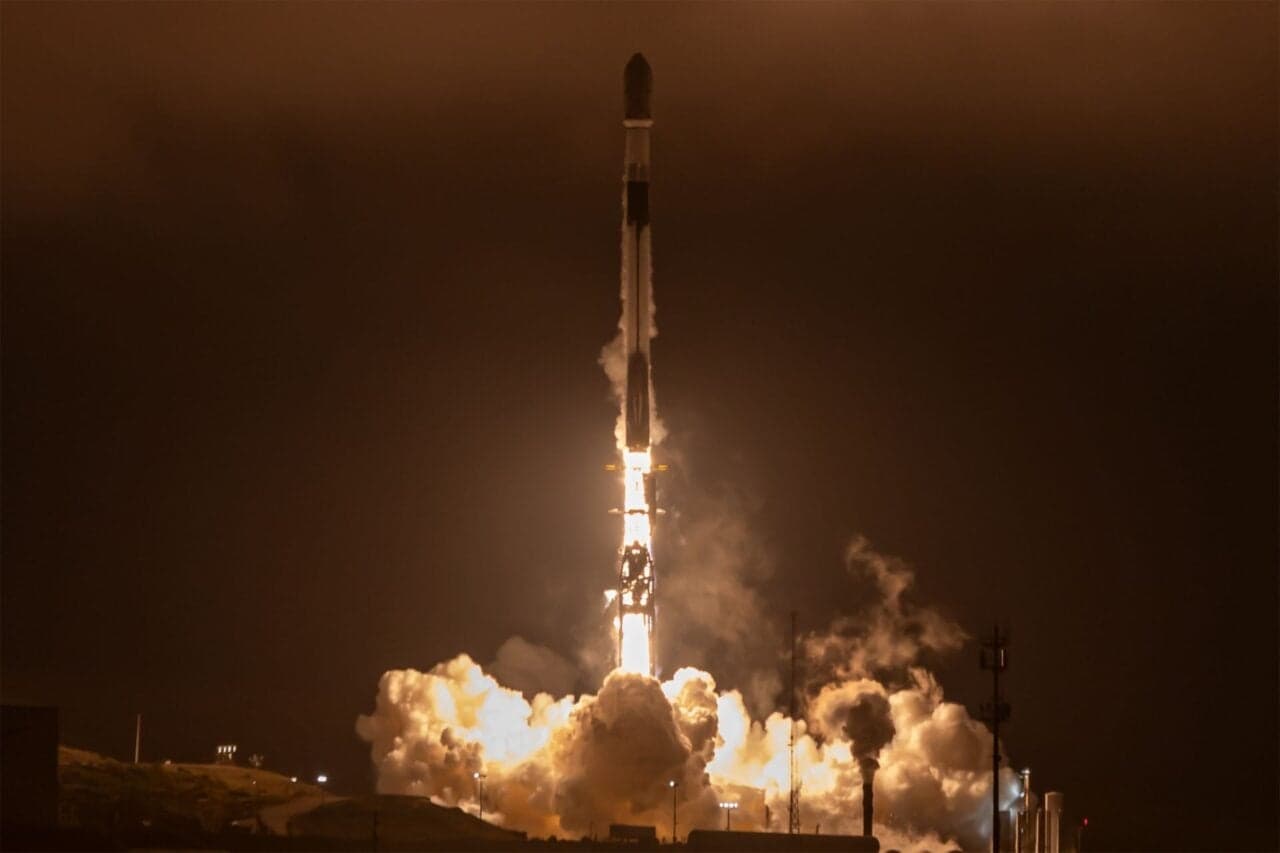
A small satellite now in orbit carries a power source never before used on a commercial spacecraft: a nuclear battery. The demonstration mission, built by City Labs, represents the first time a private company has flown a radioisotope power system in space, marking a pivotal shift for the commercial space industry.
The First Commercial Nuclear Battery
City Labs, a startup specializing in nuclear power systems, designed the battery to provide continuous electricity for satellites operating in harsh environments. The device uses a small amount of plutonium-238, a radioactive isotope that generates heat as it decays. That heat is then converted into electrical power through thermocouples, a proven method used in NASA missions like the Voyager probes and the Perseverance rover.
Previous commercial satellites relied on solar panels or chemical batteries, both of which have limitations. Solar panels become ineffective beyond Mars or in shadowed regions like the moon's poles. Chemical batteries wear out after a few years. A nuclear battery, by contrast, can operate for decades without maintenance.
How Radioisotope Power Works
Radioisotope power systems have been a staple of deep-space exploration for over 50 years. The key components are straightforward:
City Labs' version is smaller than government-built units, making it suitable for the growing market of small satellites. The company designed the battery to meet safety standards for launch and orbital operation, including containment of radioactive material even in the event of a failure.
Why This Matters
With this mission, commercial spaceflight just entered the nuclear age. The implications extend beyond one satellite. Private companies have been limited to Earth orbit and near-Earth missions because of power constraints. Nuclear batteries remove that barrier, enabling commercial ventures to target the moon, asteroids and even Mars.
For industries like satellite communications and space logistics, reliable long-duration power opens new business models. A satellite orbiting the moon, for example, could serve as a relay for lunar communications or support mining operations. The U.S. military and NASA have also expressed interest in buying power from commercial providers, creating a potential market for companies like City Labs.
Regulatory frameworks, however, will need to adapt. Launching nuclear material raises public safety concerns and requires approval from agencies like the Nuclear Regulatory Commission and the Federal Aviation Administration. City Labs' successful demonstration could help streamline those approvals for future missions.
What Comes Next
City Labs plans to fly more powerful versions of its nuclear battery on larger satellites. The company is also working with partners to integrate the system into lunar landers and orbital transfer vehicles. If the current mission performs as expected, follow-up tests could begin within two years.
The broader commercial space industry is watching closely. A proven nuclear power source would give private companies the same capability that government agencies have relied on for decades. That shift, already underway with this small satellite, could redefine what is possible in space commerce.