Senior Editor: Alan Agbele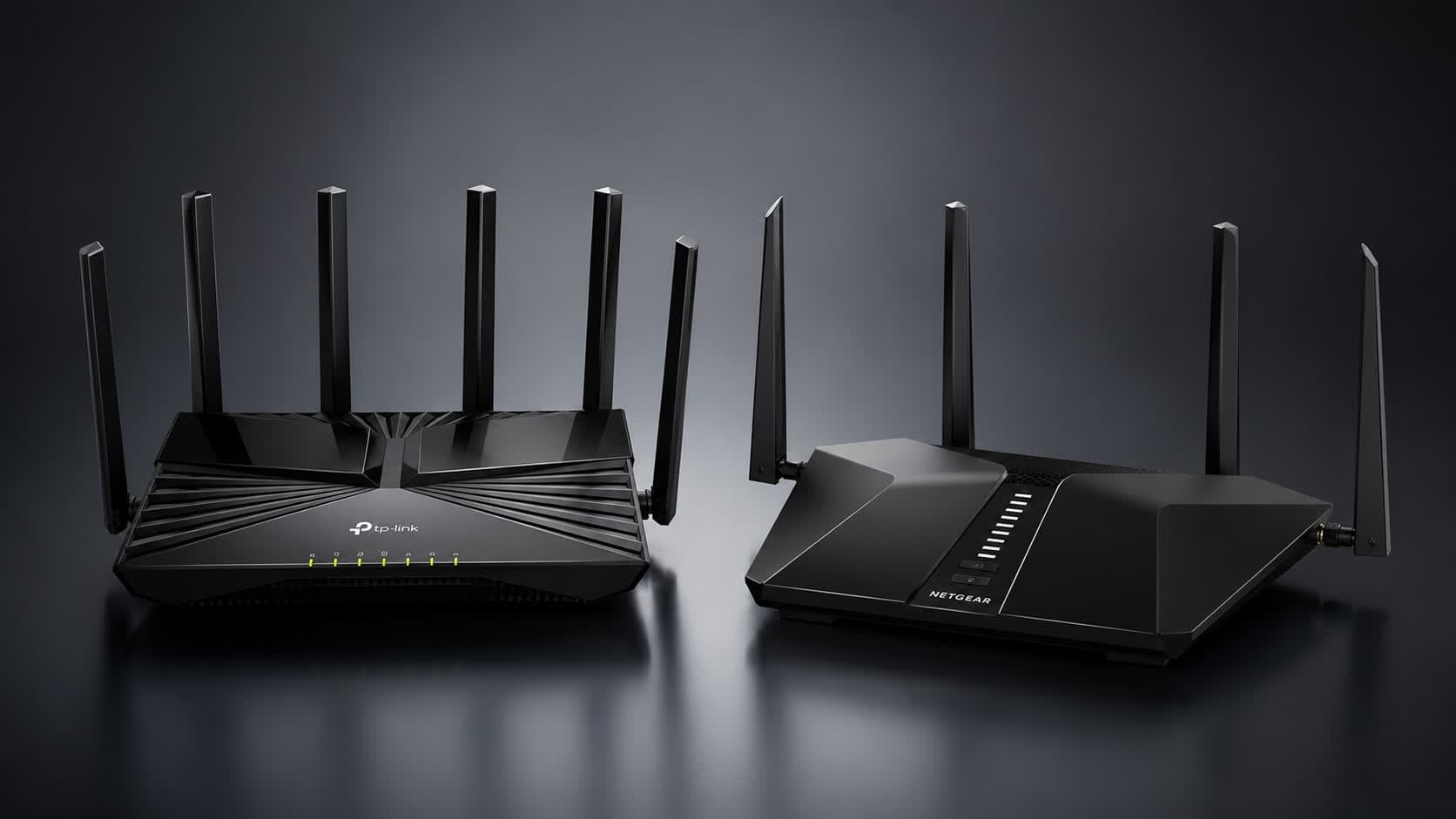
Netgear has escalated a legal battle against TP-Link, accusing its Chinese rival of deliberately misleading American consumers by rebranding itself as a US company. The countersuit, filed in the US District Court for the District of Delaware, claims false advertising and unfair competition.
TP-Link originally sued Netgear in November 2024 over alleged patent infringement. Now Netgear is turning the tables, arguing that TP-Link's recent rebranding efforts amount to a deceptive marketing campaign. The countersuit alleges that TP-Link redesigned its website, changed its logo and adopted American-themed imagery to disguise its Chinese origins.
The Rebranding Strategy
TP-Link, one of the world's largest networking equipment makers, has long sold routers and mesh systems under its own name. In recent years, the company introduced a new brand identity with a star-spangled banner motif and a .com domain that avoids any obvious Chinese affiliation. Netgear claims this was a calculated move to trick consumers into believing TP-Link is an American company.
The countersuit points to TP-Link's marketing materials, which highlight "American engineering" and "US-based support." Netgear argues these statements are false because TP-Link is headquartered in Shenzhen, China, and its products are designed and manufactured overseas. The legal filing alleges that TP-Link's rebrand directly harms Netgear's reputation and sales by creating confusion in the marketplace.
Why This Matters
This dispute matters for anyone buying networking gear. If TP-Link's rebrand is found to be deceptive, consumers may have been misled about the origin and quality of the products they purchased. The case also underscores a broader trend among foreign tech companies trying to appear more local to gain trust in the US market.
For the industry, the outcome could set a precedent for how companies market themselves across borders. A ruling against TP-Link might force other foreign brands to be more transparent about their corporate roots. It could also lead to stricter advertising guidelines for technology imports.
Legal Grounds and Possible Impact
Netgear's countersuit rests on the Lanham Act, which prohibits false advertising and trademark infringement. The company seeks damages and an injunction to stop TP-Link from using the American branding. TP-Link has not yet responded to the new claims, but the case is expected to move through discovery in the coming months.
The networking market is highly competitive, with both companies vying for consumer dollars in the router and mesh Wi-Fi segment. If Netgear prevails, TP-Link may have to overhaul its marketing strategy in the US. That could create an opening for other competitors while reshaping consumer perceptions about brand nationality.
Analysts note that the legal fight also reflects rising geopolitical tensions. US regulators have increasingly scrutinized Chinese technology imports. This case may accelerate calls for clearer labeling requirements for foreign-made electronics.