 Editor: Porcia Akua Holmes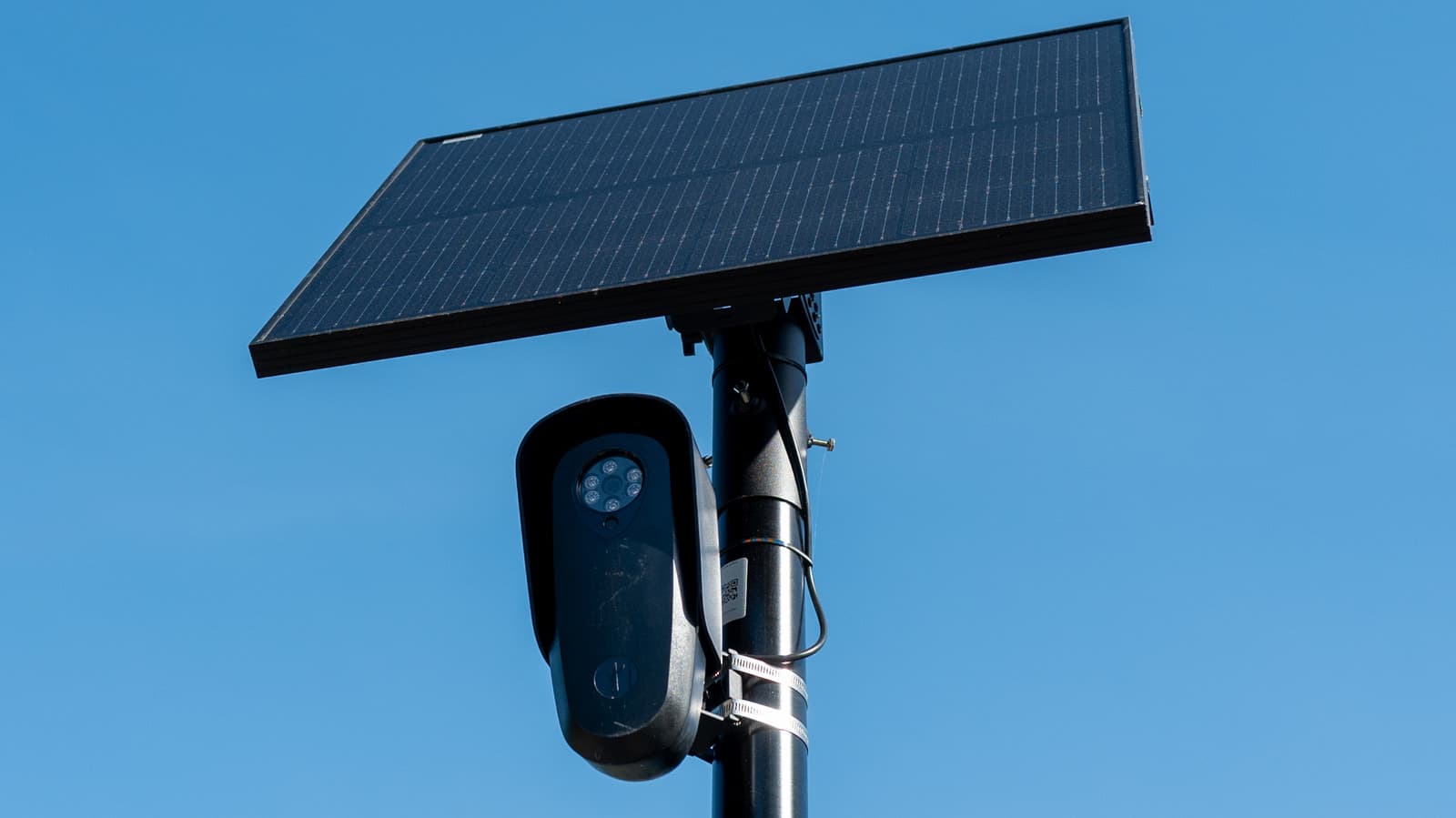
Flock Safety, the company behind the ubiquitous AI-powered license plate recognition cameras, has become a flashpoint in the debate over surveillance and privacy. The cameras, now installed in thousands of communities nationwide, record every vehicle that passes, generating a searchable database accessible to law enforcement. Critics argue the system operates with little oversight while supporters say it solves crimes.
How Flock Cameras Work
Flock Safety's cameras are mounted on poles and utility boxes, often in residential areas. They use AI to read license plates and capture vehicle characteristics such as make, model and color. The system does not identify individuals by face; it focuses on vehicles. Data is stored in the cloud and shared with police departments that subscribe to the service. The company also offers audio detection for gunshots, adding another layer of surveillance.
Ownership and Funding
Flock Safety is a privately owned company, meaning its ownership is not publicly traded. The company was founded in 2017 by Garrett Langley, a former police officer who saw a need for better evidence collection. Major investors include Andreessen Horowitz, Matrix Partners and a16z. The company has raised more than $300 million in venture funding, valuing it at over $3 billion. This deep-pocketed backing allows Flock to expand rapidly, often offering free trial periods to police departments.
Privacy Concerns and Community Pushback
The spread of Flock cameras has sparked resistance in several cities. Residents worry that the system creates a permanent surveillance infrastructure without proper oversight. Some communities have passed ordinances restricting the use of ALPR cameras, requiring warrants or limiting data retention. The company maintains that the cameras are crime-fighting tools and that the data is deleted after 30 days. Critics, however, point to cases where Flock data has been shared with federal agencies like ICE, raising concerns about mission creep.
Flock Safety's role in policing has also drawn scrutiny. The company has a network of inter-agency data sharing, meaning a camera in one jurisdiction can help police in another. This creates a de facto national surveillance system without a central regulatory framework. Law enforcement supporters argue that the system helps solve property crimes and car thefts, which are often under-investigated.
Why This Matters
The rise of Flock Safety represents a fundamental shift in how surveillance operates in the United States. The cameras are inexpensive, easy to install and require no public vote. For communities, the trade-off between crime-solving and privacy becomes a permanent one. The lack of federal regulation means that local policies determine how data is used, creating a patchwork of protections. As the company continues to grow with venture capital backing, the conversation about who controls the data and for what purpose will only intensify. The answer to who owns Flock cameras is not just the company but also the investors and the police departments that rely on them, and the public has little say in the matter.


