Editor: Porcia Akua Holmes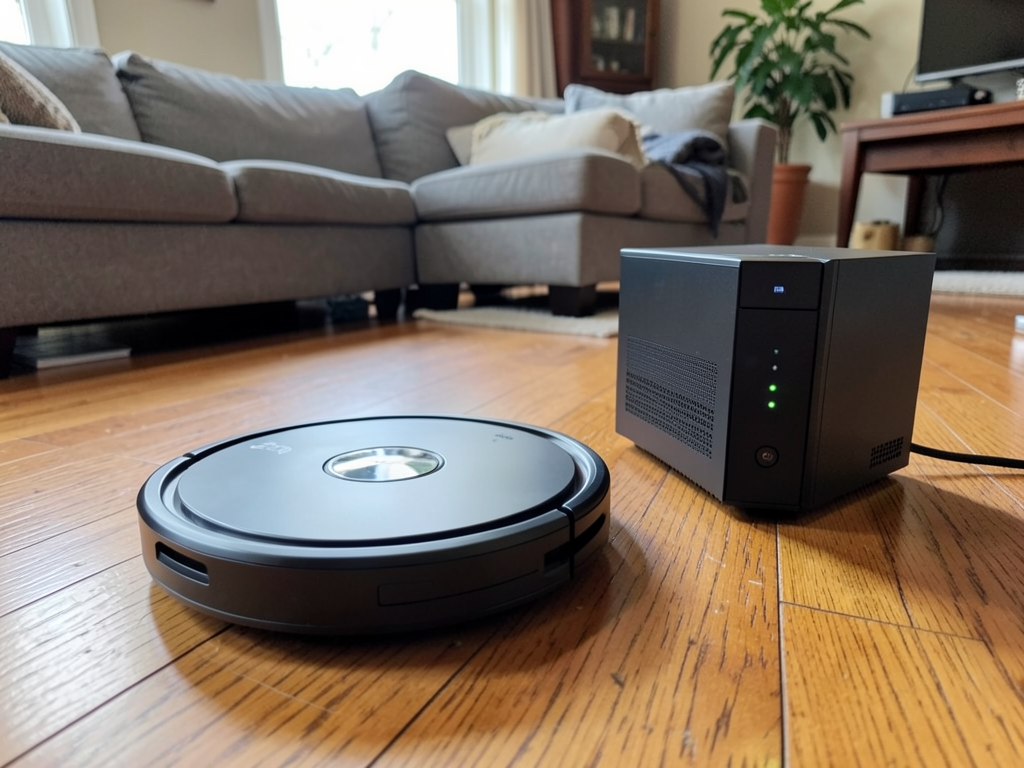
When Neato Robotics went dark, thousands of vacuum cleaners kept spinning in living rooms but stopped obeying commands. A community effort to build a replacement custom server now offers those owners a way back online.
The project surfaced on Hacker News as a technical workaround for abandoned hardware. Its significance reaches well past one brand of robot vacuum.
How a Dead Cloud Service Stranded Working Hardware
Neato vacuums were designed around a remote connection. Scheduling, navigation maps and firmware updates flowed through company servers rather than staying on the device.
That architecture turned a working appliance into a paperweight the moment the backend disappeared. Owners could still press a physical button, yet the app and automated routines went silent.
The custom server reverses that dependency. It mimics the original cloud endpoints so the vacuum believes it is talking to Neato again.
Inside the Community Rebuild
Recreating a dead service takes more than hosting a web address. The replacement must speak the same protocol the vacuum expects and handle the same requests.
Developers reverse-engineered those exchanges and rebuilt the essential pieces. The result is a local server that answers the vacuum's calls without any vendor involvement.
Each of those steps matters because the vacuum checks in constantly. A missed handshake leaves the device offline even when the server is running.
Why This Matters
The Neato case sets a precedent for every connected appliance sold with a subscription-free promise. Buyers increasingly discover that ownership ends when a company decides to stop paying for servers.
Manufacturers face growing pressure to publish shutdown plans or release server code before discontinuing a product. Regulators in several markets are already studying right-to-repair rules that could extend to software dependencies.
Consumers gain leverage too. A working community fix proves that abandoned devices can be revived, which weakens the argument that replacement is the only option.
The larger risk sits with brands that treat cloud access as a permanent feature. Every shutdown now becomes a public test of whether customers were sold a product or a temporary license.
What You Need to Know Before Reviving Old Hardware
Running a custom server is not a plug-and-play process. It demands comfort with networking, command-line tools and occasional troubleshooting.
Owners should weigh the effort against the value of the device. A vacuum that cost hundreds of dollars may justify the work, while a cheap model may not.
None of those caveats erase the core appeal. For many owners, a revived vacuum beats a landfill-bound replacement.
The Wider Pattern Behind Abandoned Smart Devices
Neato is not an isolated case. Smart speakers, thermostats and security cameras have all lost functionality after a vendor exited a market.
Each shutdown follows the same script. The company cites costs, users protest and a small group of engineers builds a workaround.
That cycle now repeats often enough to shape purchasing decisions. Buyers increasingly ask whether a device works without the internet before they pay for it.
The custom server for Neato vacuums will not save every abandoned gadget. It does show that the technical barrier to revival is lower than many manufacturers imply.