Editor: Porcia Akua Holmes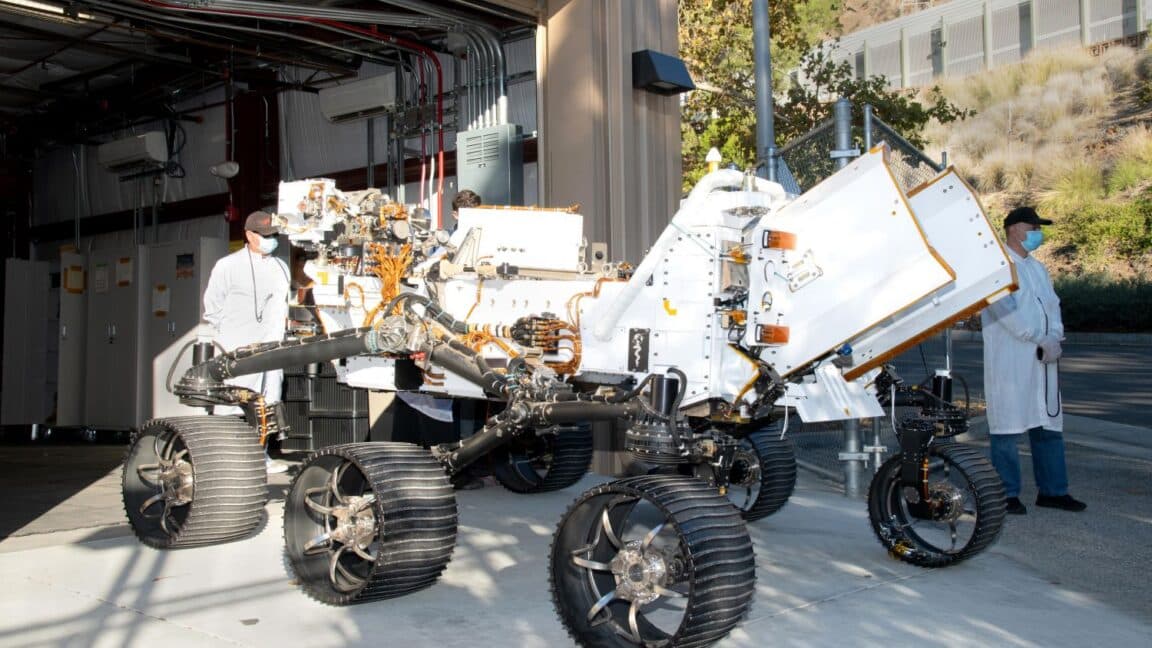
NASA officials said Tuesday they are seriously considering sending a nuclear-powered version of a Mars rover testbed to the Moon. The vehicle, nicknamed Promise, would carry a multi-mission radioisotope thermoelectric generator (MMRTG) to operate through the harsh lunar night and traverse the south pole region.
Why Nuclear Power Matters on the Moon
Most NASA rovers on the Moon rely on solar arrays. That design limits their working hours and geographic reach. A nuclear-powered rover like Promise can operate in total darkness and climb steep slopes without worrying about battery drain. The MMRTG provides a steady power supply for years, enabling long-distance traverses and sustained science.
The lunar south pole is a priority target for NASA's Artemis program because of suspected water ice. Reaching those permanently shadowed craters with solar power alone is extremely challenging. A nuclear rover could survey the terrain, map ice deposits, and test drilling techniques ahead of human landings.
Promise: From Martian Testbed to Lunar Explorer
Promise was built as the ground test vehicle for the Perseverance rover program. It passed all Mars-mission qualifications and remains in working condition. NASA Administrator Jared Isaacman said Tuesday that the agency is thinking very hard about sending Promise to the Moon. The rover would land with the same chassis, wheels and suspension system designed for Mars, which may need minor adjustments for lunar gravity.
The switch from Mars target to lunar mission is possible because Promise was never scheduled for launch. Retasking it avoids building a new rover from scratch, saving billions of dollars and years of development time. A nuclear-powered version would give NASA a unique asset for south pole reconnaissance.
Why This Matters
This decision could reshape the timeline for NASA's Moon base ambitions. If Promise launches within the next few years, it could scout landing sites and resources before astronauts arrive. The mission would also validate nuclear power systems on the Moon, a key technology for sustained lunar presence and future Mars expeditions. For taxpayers, using existing hardware reduces risk and cost. For scientists, a nuclear rover opens up the most interesting areas of the lunar south pole that solar vehicles cannot reach.
The choice also signals a shift in NASA's approach: instead of designing separate rovers for each destination, the agency may begin adapting proven Martian hardware for lunar work. That could accelerate exploration across the solar system.