Senior Editor: Alan Agbele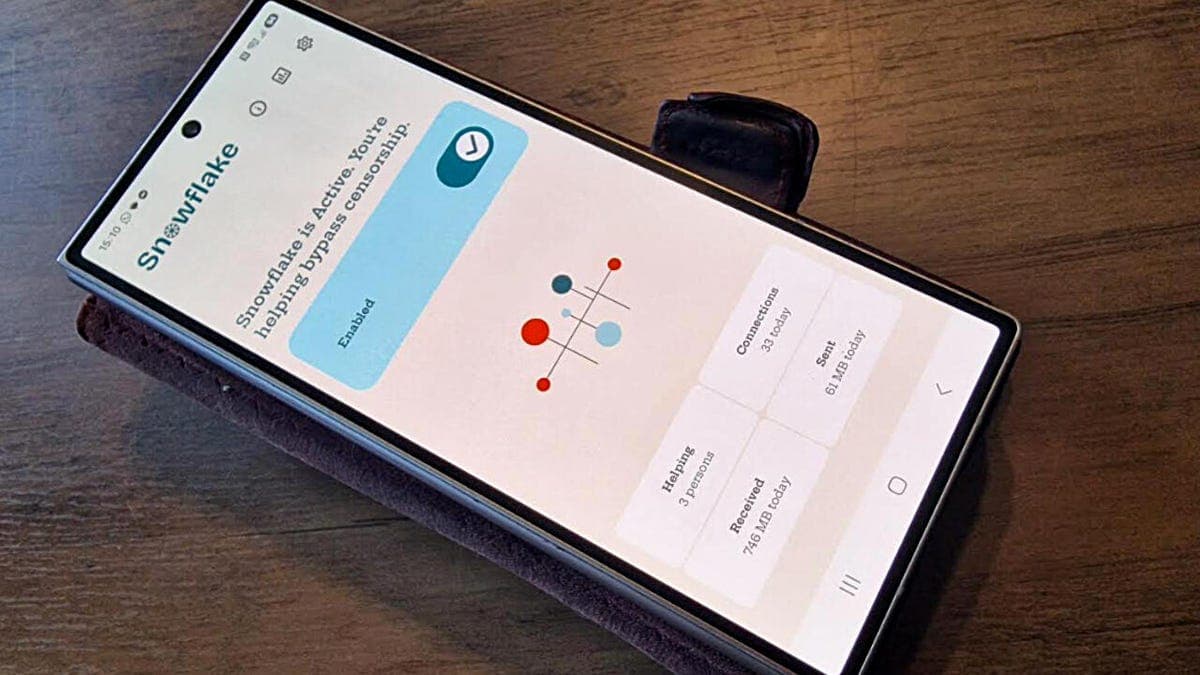
Internet censorship continues to tighten in dozens of countries, but a new Android application aims to fight back by turning ordinary smartphones into Tor relays. The app requires no technical knowledge and displays live metrics showing how many people in censored regions are using your connection to reach the open web.
How the Android App Works
The application connects to the Tor network and turns your device into a bridge relay, a type of Tor node that is not publicly listed. Bridge relays are harder for censors to block than public relays. The app handles all the configuration automatically, from downloading the latest Tor software to managing network permissions. Once activated, it runs in the background and consumes modest data and battery while contributing to the network's capacity in censored regions.
Why This Matters
Running a Tor relay traditionally required a dedicated computer, static IP address, and familiarity with command-line tools. That barrier excluded the vast majority of smartphone users. This Android app turns billions of devices into potential censorship-fighting nodes, dramatically expanding the Tor network's reach in places like Iran, China, and Russia. The real-time impact display is more than a gimmick: it provides immediate gratification that may encourage sustained participation. If even a small fraction of Android users activate the app, the additional bandwidth could help thousands of people access blocked news, messaging apps, and human rights resources. The tool also comes at a moment when governments are accelerating deployment of deep packet inspection and AI-powered firewalls, making decentralized circumvention methods more critical than ever.
Limitations and Risks
Despite its promise, the app has clear constraints. Running any Tor relay consumes mobile data, which could incur costs for users on limited or expensive plans. Battery drain, while minimal, is another consideration for those who need their phone to last all day. Privacy advocates also caution that operating a bridge relay might draw scrutiny from internet service providers or local authorities in countries with aggressive surveillance laws. The app attempts to mitigate this by using the same encrypted Tor protocol that conceals relay traffic, but determined adversaries may still detect unusual traffic patterns. Users in high-risk jurisdictions should weigh these factors before installing the software.
The Broader Trend in Censorship Circumvention
This Android app fits into a growing ecosystem of decentralized anti-censorship tools. Services like Snowflake and Lantern have already shown that peer-to-peer models can work, but they often rely on browser extensions or desktop clients. Shifting the proxy role to mobile devices could reach populations with limited computer access. The open-source nature of Tor means that other developers could build similar apps for iOS or other platforms, though Apple's restrictions on background network services may complicate that effort. For now, Android remains the primary battlefield in the fight for an open internet.