Editor: Porcia Akua Holmes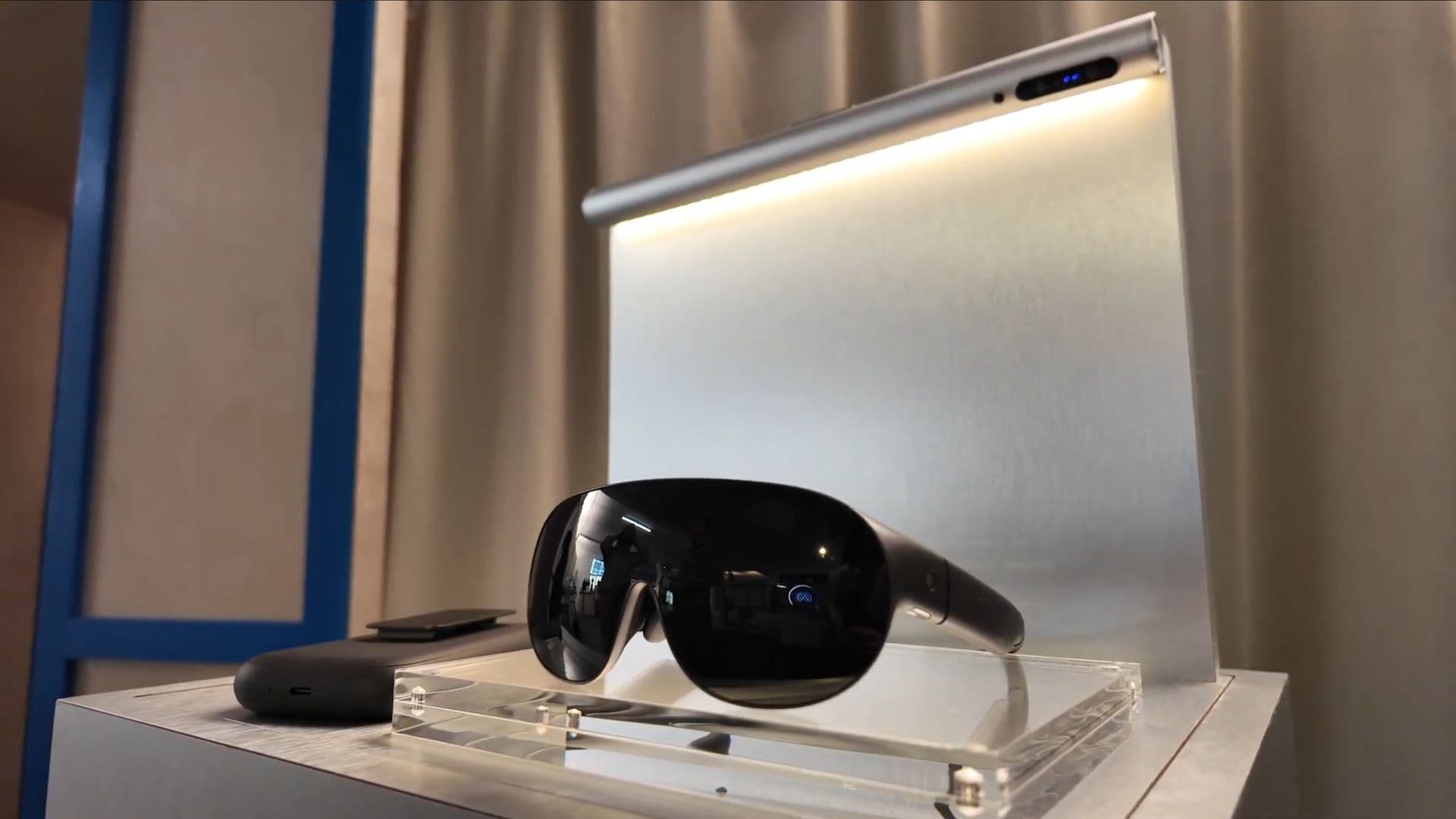
After years of stagnation in the virtual reality market, Meta is betting its latest VR Glasses can reignite consumer interest. The new hardware arrives as older devices like the Oculus Quest 2 still dominate usage charts, signaling a market desperate for a breakthrough.
The VR Market Plateau
With the Oculus Quest 2 still topping the Steam Hardware Survey as of August 2026, the VR market remains locked in a bygone era. The Meta Quest 3, released nearly three years ago, has not displaced its predecessor despite upgraded specs and mixed reality capabilities. Exclusive content like Marvel's Deadpool VR and Batman: Arkham Shadow failed to drive mass adoption. You can see the pattern: each new headset improves features but fails to match the Quest 2's value proposition.
The Value Equation
The core problem is price. The Quest 2 launched at $299, an impulse-buy threshold for many. The Meta Quest 3 jumped to $499, putting it in competition with consoles like the PlayStation 5. The Apple Vision Pro went far beyond at $3,499, limiting its audience. Samsung's Galaxy XR headset, at $1,799, also struggles with awareness. Meta VR Glasses I think need to hit a sweet spot that makes VR accessible without the bulk and cost of premium alternatives.
What the New Glasses Change
Meta's next-generation VR Glasses tackle the weight and comfort issues that hindered earlier models. Image quality improvements and a lighter design aim to make daily use more practical. The company hopes that by offering better value at a lower price point, it can recapture the momentum lost since the Quest 2 era. But the real test will be whether consumers see the same compelling reason to buy that they did during the pandemic.
Why This Matters
The future of consumer VR hinges on whether Meta can solve the value equation. If the new glasses succeed, they could pull the entire category out of its plateau. Developers, who have been cautious about investing in a stagnant market, would gain a viable platform. For Samsung and Apple, a revived Meta Quest ecosystem would raise competitive pressure. For consumers, the payoff is a more practical and affordable virtual reality that finally delivers on the promise of immersive daily use.