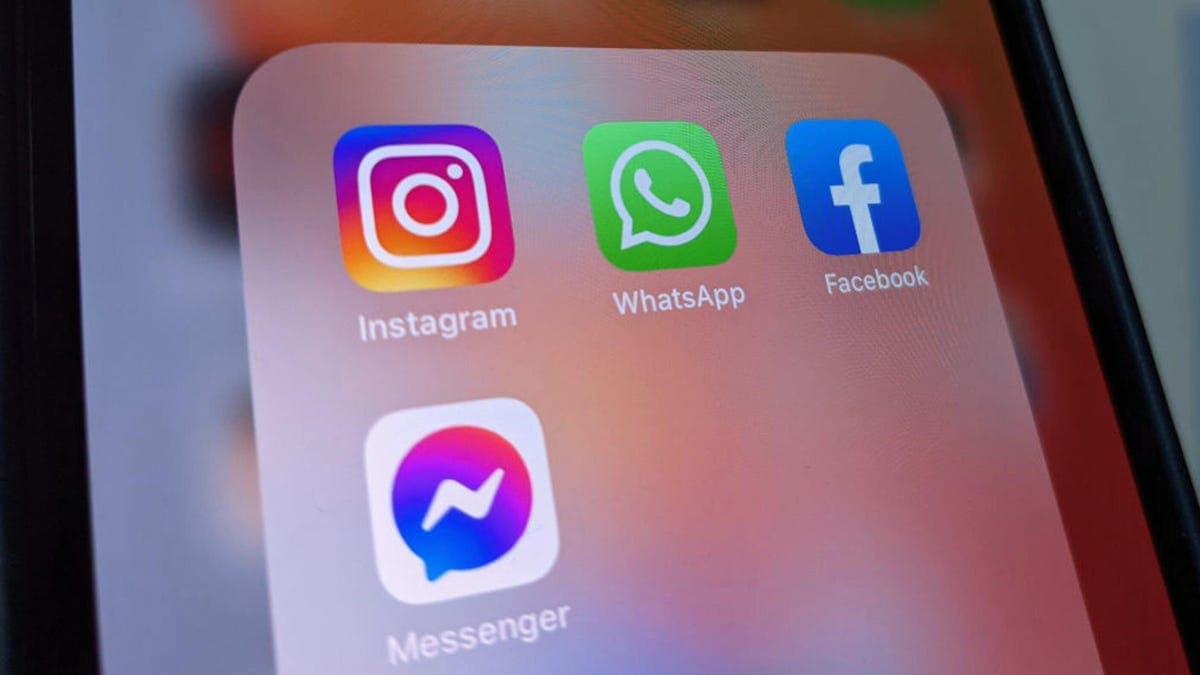
A cascade of service failures struck Meta Platforms on Friday morning, knocking Facebook, Instagram, WhatsApp and Messenger offline for users around the world. The disruption began around 9 a.m. ET and continued for more than two hours, leaving millions unable to access their primary communication and social networking tools.
Scope of the Disruption
Reports of outages surged on rival platforms including X (formerly Twitter) and Discord, where users documented error messages ranging from blank screens to login failures. DownDetector, a service that tracks outages, recorded spikes of more than 100,000 complaints for Facebook and Instagram within the first hour. WhatsApp users in Europe, Asia and the Americas reported that messages failed to send or arrive. Messenger, Meta's standalone chat app, also showed signs of instability.
Meta acknowledged the issue in a brief statement on X, writing: "We are aware that a technical issue is impacting some users' ability to access our apps. We are working to resolve this as quickly as possible." The company did not disclose the root cause or estimate a full restoration time.
Recurring Reliability Questions
Friday's outage is not an isolated event. Facebook experienced a similar global shutdown in October 2021 that lasted roughly six hours, taking Instagram, WhatsApp and Messenger down with it. That incident was later attributed to a faulty configuration change in the company's backbone network. The recurrence of a multi-service failure raises questions about Meta's internal resilience protocols and the interconnectedness of its infrastructure.
Meta runs one of the world's largest content delivery networks, managing billions of daily active users. When that network falters, the impact cascades: businesses lose sales channels, journalists lose distribution, and families lose contact lines. The dependency on a single corporate ecosystem becomes starkly visible during such events.
Why This Matters
For the hundreds of millions of people who rely on Meta products for daily communication, commerce and news, this outage is a reminder of the risks of centralized digital infrastructure. Small business owners who depend on Instagram for orders or WhatsApp for customer support faced immediate revenue interruptions. Journalists and activists who use Meta platforms for organizing or reporting lost a vital distribution channel.
The incident also affects Meta's bottom line. Each hour of downtime for major apps translates into lost advertising revenue, diminished user trust and potential regulatory scrutiny. Investors are watching closely as the company prepares its next quarterly earnings report. In a world where digital uptime is increasingly treated as a public utility, such failures erode confidence in the reliability of Big Tech platforms.
As engineers work to restore services, users are left with a simple but uncomfortable question: How much of our daily life depends on a single company's servers staying online?