Editor: Porcia Akua Holmes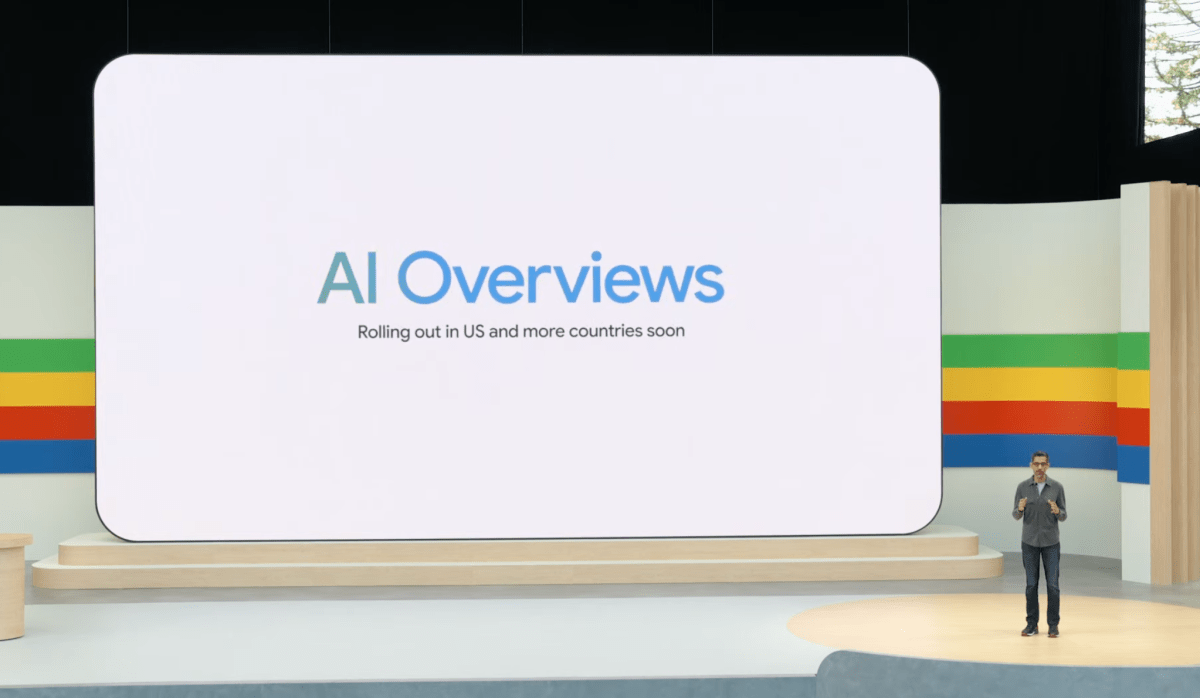
Google's AI-powered search summaries, known as AI Overviews, now appear in nearly half of all search queries. New data from BrightEdge shows these AI-generated snippets surface in 43% of searches, marking a rapid acceleration of the company's push to make AI answers the default user experience. The finding underscores how Google is fundamentally changing how people discover information online, with consequences that extend across the web ecosystem.
The Numbers Behind the Shift
BrightEdge, an SEO analytics firm, tracked the steady rise of AI Overviews across Google's search results throughout the year. The 43% penetration rate represents a significant jump from earlier months, when the feature was present in roughly 15% to 20% of queries. The growth has been particularly pronounced in informational searches, such as how-to guides, product comparisons and health queries, where Google now often serves an AI-generated answer directly at the top of the page.
The data suggests Google is prioritizing AI Overviews for queries where users want quick summary answers rather than navigation to external sites. The company has framed the feature as a way to help users get answers faster, but the rollout has not been without controversy. Early versions drew criticism for generating inaccurate or misleading summaries, prompting Google to refine the system and add safety guardrails.
Impact on Publishers and SEO
The rise of AI Overviews creates a challenging environment for content creators. When Google serves an AI summary, users often find the answer without clicking on any website. That dynamic threatens the organic traffic that publishers depend on for ad revenue and audience growth. The key effects include:
Publishers whose content is frequently cited in AI Overviews may still see some traffic, but the overall trend is toward fewer direct visits. For smaller websites that cannot invest heavily in SEO and structured data, the competitive disadvantage grows.
Why This Matters
Google's control over search gives it outsized influence over the flow of information online. The rapid adoption of AI Overviews marks a fundamental change in that relationship. Instead of connecting users to external sources, Google increasingly keeps them within its own ecosystem, serving answers generated by its AI models. This shift concentrates power in the hands of a single company and reduces the diversity of sources a user encounters.
Regulators are taking notice. European Union officials have already questioned Google about the impact of AI Overviews on publisher traffic and competition. In the United States, antitrust authorities may view the feature as another lever that entrenches Google's dominance in search. For users, the convenience of AI summaries comes with trade-offs: summaries may oversimplify complex topics, omit context or reflect biases present in training data. Publishers, meanwhile, face a future where their content is used to train and power AI systems that increasingly replace them. The trajectory is clear: AI-powered search is becoming the norm, and the entire web economy must adapt to that reality.