Senior Editor: Alan Agbele
The AI boom is hitting physical limits, and it is not the algorithms that are slowing down. It is the materials that build the infrastructure underneath. Semiconductors and data centers are approaching boundaries around heat, electrical efficiency and long-term reliability, creating a demand for materials that can perform under extreme conditions. For Mike Finelli, chief technology and innovation officer and chief North America officer at Syensqo, this convergence is reshaping what advanced materials can enable.
The Hard Limits on AI Hardware
As AI models grow larger, the chips and data centers running them must handle higher voltages, more heat and tighter purity requirements. Finelli describes this as the "top of the pyramid" where materials must simultaneously satisfy high temperature performance, electrical insulation, chemical resistance and plasma resistance. Syensqo is targeting these needs with specialized polymers and fluids. The challenge is that no single material can solve all problems. Each application requires a unique blend of properties, pushing developers to explore combinations that were previously impractical to test.
AI Meets Materials Discovery
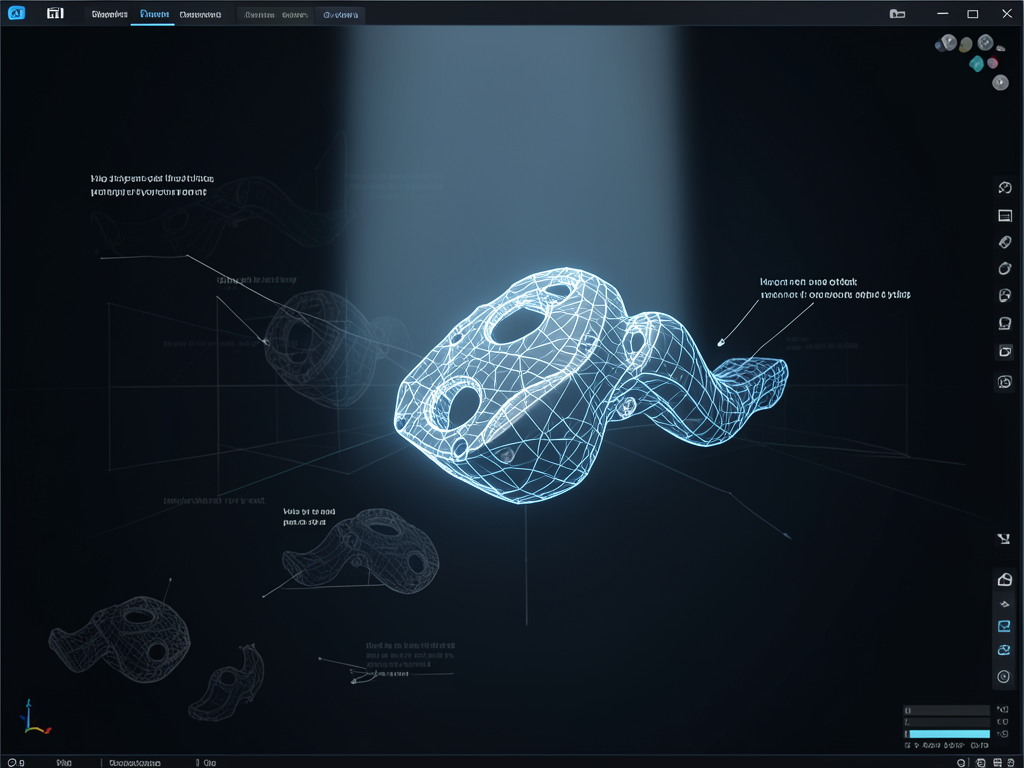
Syensqo is using AI agents to digitally screen millions of molecular combinations, predict their performance and sustainability characteristics, and narrow candidates for lab testing. That process replaces years of trial and error with computational speed. Finelli says the result is the ability to go "broader, deeper, and faster" while freeing scientists to focus on complex engineering problems. Some of the materials developed for electric vehicles are now crossing over into data centers, where higher voltage and energy density demands are similar.
Why This Matters
This convergence changes the economics of AI infrastructure. If materials cannot keep pace, AI hardware upgrades slow down and costs rise. Syensqo’s approach removes the trade-off between performance and sustainability by integrating environmental goals from the start of research. That shift matters for every company building AI systems, because the next leap in capability may depend less on the next algorithm and more on the chemistry inside the chip. The feedback loop Finelli describes, AI helping discover materials that improve AI hardware, could define the pace of innovation for the next decade.
Building the materials foundation for AI is no longer a supporting task. It is a primary strategic challenge. As Finelli puts it, advanced materials are "actually increasingly defining what's going to be possible." Our understanding of that relationship will shape how quickly AI evolves. You can expect more cross-industry borrowing, like EV materials finding new life in data centers. This is not just a technical problem. It is a business opportunity for companies that can solve it faster.