Senior Editor: Alan Agbele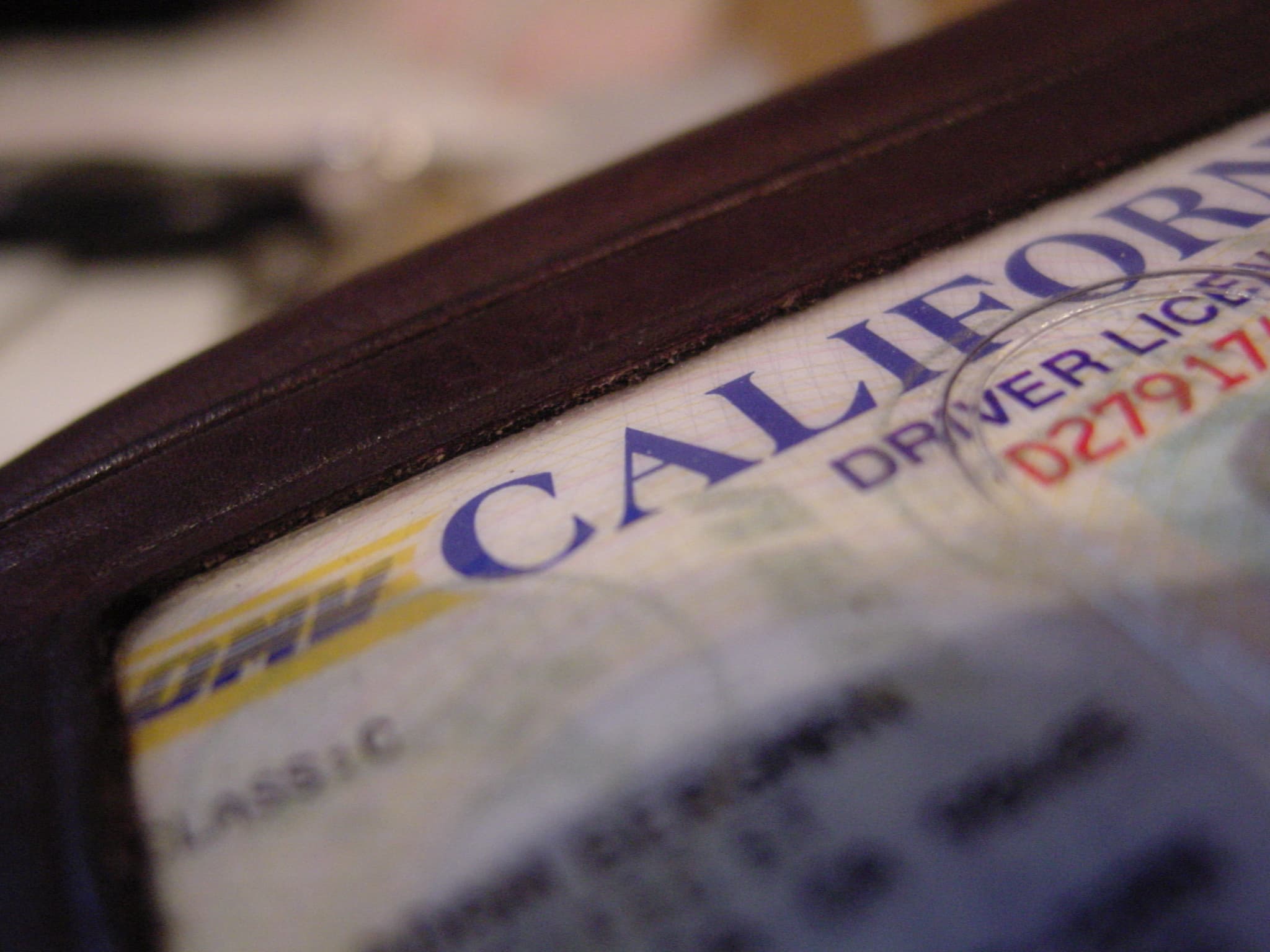
More than 153 million driver's license records have been stolen in a sprawling data breach, exposing millions of Americans to identity theft and financial fraud. The attack targeted a major data aggregation service used by government agencies, compromising sensitive personal information including names, addresses and license numbers.
The Scope of the Breach
Security researchers confirmed that hackers exfiltrated a database containing 153 million driver's license records from a third-party identity verification platform. The platform, used by multiple state motor vehicle departments, stored copies of licenses for fraud prevention and background checks. The stolen data spans records collected over several years, though the breach was discovered only after a routine security audit.
The attackers exploited a vulnerability in the platform's API to access the records without triggering alarms. Cybersecurity firm CyberGuard Analytics estimates that the breach could affect nearly half of all U.S. licensed drivers. State authorities have been notified, but the full extent of misuse remains unknown.
How Did This Happen
The breach underscores a systemic weakness in how government agencies outsource identity verification. The third-party vendor stored massive amounts of sensitive data in a centralized database, creating a high-value target. Security experts point to insufficient encryption and lack of multi-factor authentication for administrative accounts as contributing factors.
This incident follows a pattern of increasingly sophisticated attacks on data brokers and identity services. Unlike credit card numbers that can be reissued, driver's license numbers are permanent identifiers that cannot be changed. That makes the stolen data valuable for years.
Why This Matters
The theft of 153 million driver's licenses fundamentally changes the risk landscape for identity theft. Victims face lifelong vulnerability because license numbers rarely change. Unlike a compromised bank account that can be closed, a stolen driver's license enables ongoing fraud that is difficult to detect. Law enforcement agencies may also face risks if criminals use stolen identities during traffic stops or investigations.
For the broader economy, this breach erodes trust in digital identity verification systems. Government agencies that rely on third-party vendors must now reconsider data retention policies and security standards. The incident may accelerate calls for federal data privacy legislation and mandatory breach notification timelines.
What You Should Do Now
While waiting for official notifications, consumers can take steps to reduce harm. Place a fraud alert or credit freeze with the three major credit bureaus. Monitor credit reports for unexpected inquiries or accounts. Consider identity theft protection services that offer dark web monitoring. Finally, report any suspicious activity to the Federal Trade Commission.