Senior Editor: Alan Agbele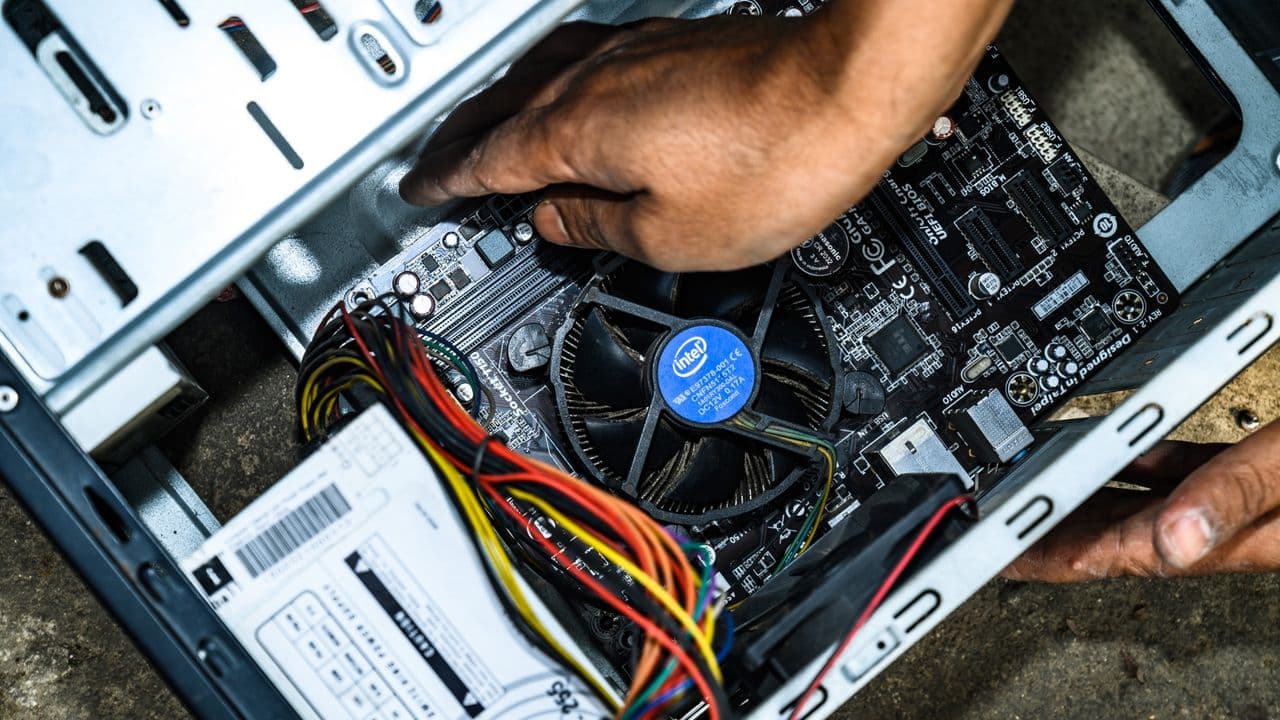
Federal investigators say a US Customs and Border Protection supervisor based in Calais, Maine, stole high-end computer components from government workstations and traded them for store credit through Newegg. The scheme, which lasted 14 months, targeted at least 46 Department of Homeland Security computers across three border facilities.
How the Scheme Worked
Terry “Jiajia” Liu was a US Customs supervisor assigned to information-technology support. Port Director Theodore Cummings had issued a written order barring Liu from moving or modifying any government computer or computer parts. Surveillance cameras, however, captured Liu opening machines during midnight shifts and taking them to a training room.
Footage showed Liu using a screwdriver to scrape thermal paste off a processor and installing a replacement chip. Another recording showed Liu removing a memory module and storing it in a desk drawer. In total, investigators found that 39 computers had their CPUs replaced, six had memory modules swapped and eight had hard drives changed. The original systems contained Intel 14th Generation Raptor Lake Refresh processors, but after the swaps some units contained much older Pentium chips.
Liu used the lesser hardware bought on Amazon and Newegg to replace the stolen parts. Investigators also found three $200 credits from Newegg in Liu's American Express records. Initially, Liu claimed the changes were meant to improve computer performance, but later admitted the swaps caused degraded performance.
Why This Matters
This breach undermines trust in the security of government computer systems along the northern border. The theft of CPUs, RAM and hard drives from Homeland Security PCs creates a direct operational risk: downgraded hardware can slow down or crash critical systems used for customs processing and law enforcement. Beyond the $105,800 damage estimate, the cost of restoring every affected machine to its original state, auditing all other systems and retraining staff is substantial. The case also exposes a broader weakness: employee trade-in programs at major retailers like Newegg can be exploited by insiders who possess government property. Agencies must tighten asset-tracking procedures and limit physical access to hardware, even for trusted IT personnel.
Investigation and Charges
The FBI arrested Liu after hidden cameras and forensic evidence connected the missing parts to Newegg trade-in records. Liu confessed to replacing hardware with lower-performing parts and acknowledged submitting the government-owned components through the Newegg Trade-In program. The charges include theft and damage to government property. The case is being prosecuted in federal court and serves as a cautionary tale about the limits of digital and physical controls inside government facilities.