Senior Editor: Alan Agbele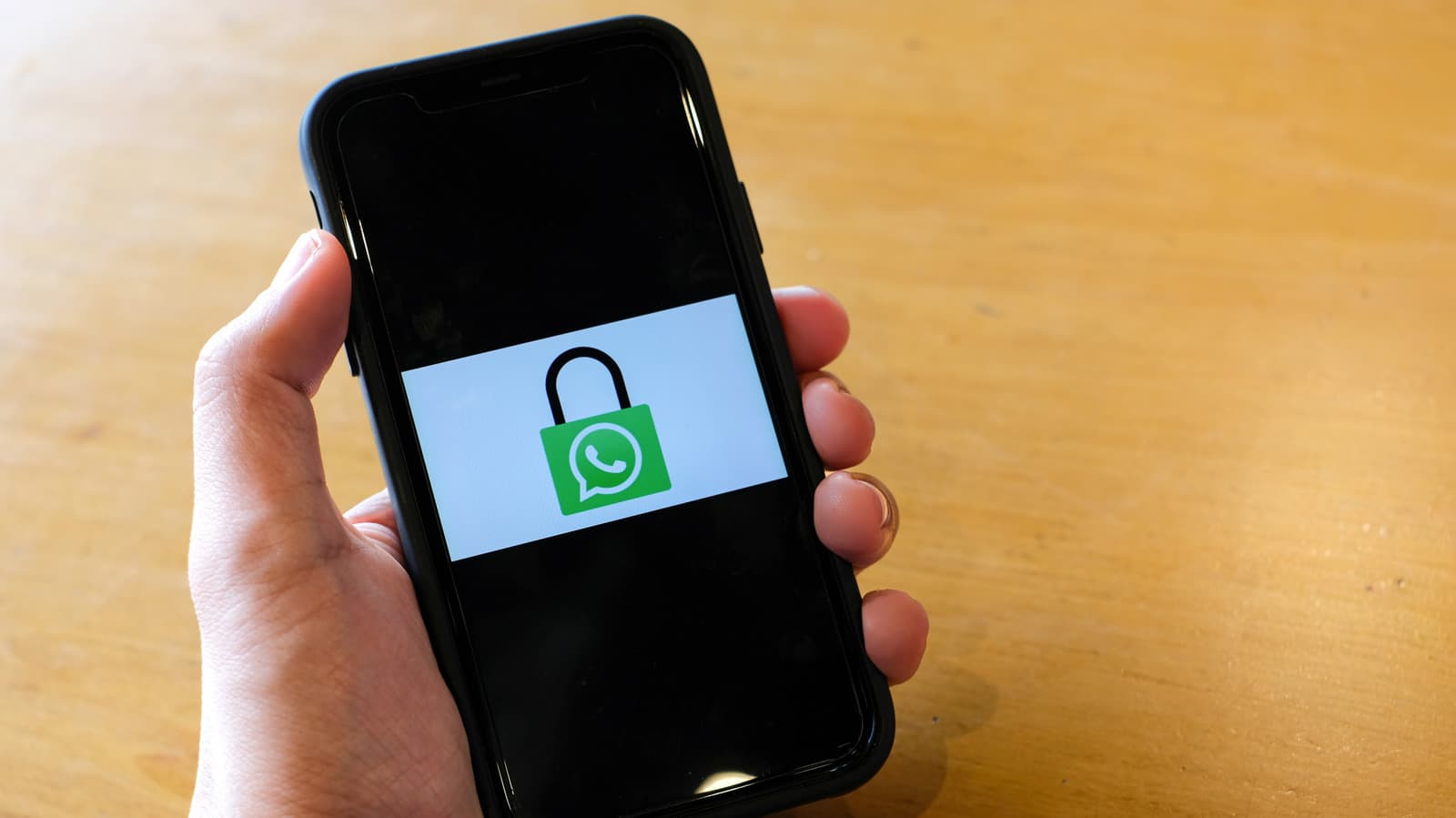
The question "Why Is There A Lock Symbol Next To Your Text Messages" is one that many smartphone users have asked. The small icon appears on platforms like iMessage and RCS chats and signals that your message is protected by end-to-end encryption. This means the content can only be read by you and the intended recipient, not by service providers or potential interceptors.
How Encryption Protects Your Messages
Modern smartphones use encryption to scramble message data during transmission. Only the sender and recipient have the keys to decode it. The lock symbol is a visual indicator that this protection is active. It reassures users that their conversations are shielded from eavesdropping by hackers, carriers or even the platform provider.
Platform Differences in Message Security
Standard SMS texts, shown as green bubbles on iPhones, lack any encryption and display no lock icon. Users who value privacy should verify that the lock is present before sharing sensitive information.
Why This Matters
The presence of a lock symbol represents a shift toward universal encryption in consumer messaging. As governments in some countries push for backdoor access to encrypted communications, the lock icon becomes a visible battleground for privacy rights. If users become accustomed to seeing the lock, pressure to weaken or remove it could face public resistance. For everyday consumers, the lock symbol is a simple tool that makes security tangible. It empowers users to choose platforms that protect their data and to avoid those that do not. The trend toward default encryption, signaled by that small icon, is reshaping expectations around digital privacy.