Editor: Porcia Akua Holmes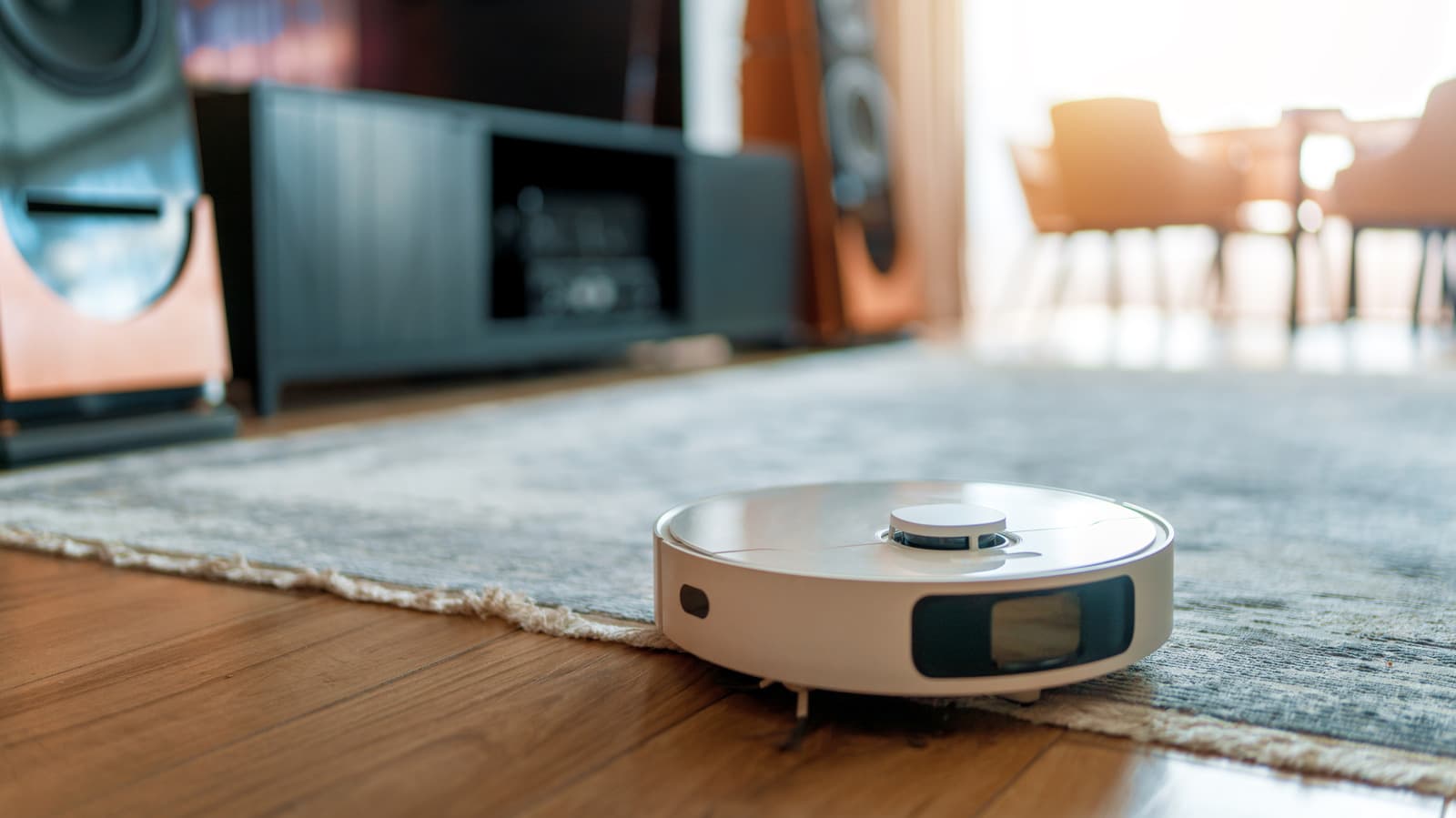
Millions of households rely on robot vacuums to automate floor cleaning, but these devices quietly collect far more than dust. The convenience of a self-navigating cleaner comes with a significant privacy trade-off that many users overlook.
How Robot Vacuums Collect Your Floor Plans
To navigate efficiently, robot vacuums build a spatial model of every room they clean. These digital maps can reveal the size and shape of a home, the location of furniture and even travel patterns of residents. Unlike a simple video feed, the map data is structured and reusable.
The sensors found in modern robot vacuums include:
Each method generates unique data that, when combined, produces a high-fidelity blueprint of a private residence. That blueprint can be a gold mine for advertisers, insurers or even criminals looking to assess security.
Data Sharing and Lack of Transparency
Most robot vacuum manufacturers include privacy policies that allow data collection, aggregation and sharing with business partners. Users often consent without reading the fine print. Researchers have found that some vacuum brands transmit mapping data to company servers even when the device is not actively cleaning.
Third-party integrations make the problem worse. Many robot vacuums connect to smart home platforms such as Amazon Alexa or Google Assistant, creating additional data flows. A floor map captured by a vacuum could be used to inform smart lighting or security routines, but it also travels outside the home network.
Why This Matters
The privacy risk extends beyond theoretical exposure. Floor plan data can indicate room sizes, number of occupants and daily routines. A malicious actor who obtains these maps could use them to plan a break-in or track a person's movements. On a larger scale, aggregated home layouts reveal socioeconomic patterns that companies may exploit for targeted advertising or price discrimination.
Regulators have started to scrutinize IoT devices, but robot vacuums often fall outside strict rules because they are classified as home appliances rather than surveillance tools. The gap leaves consumers vulnerable. Without stronger standards, the convenience of a clean floor comes at the cost of a fully mapped private life.
Practical Steps for Users
Users can take action to limit data exposure without giving up a robot vacuum. Start by reviewing the device's privacy settings and disabling cloud connectivity when not needed. Some models allow local-only processing, keeping maps on the device itself. Others offer a physical privacy shutter over the camera.
Consider these precautions:
These steps can reduce but not eliminate the privacy risk. Until regulations catch up, the responsibility lies mostly with the owner.
Robot vacuums are a clear example of how smart home devices collect data far beyond their core function. Understanding the trade-off is the first step toward making an informed choice about what stays inside the home and what gets sent outside it.