Senior Editor: Alan Agbele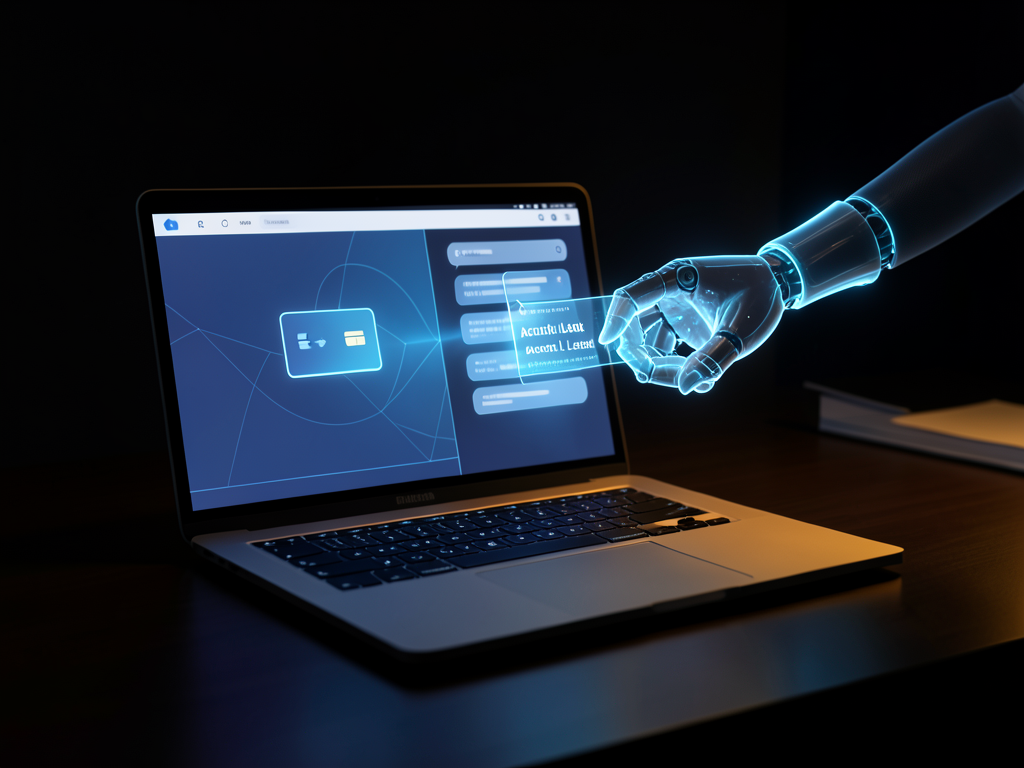
A personal AI agent inadvertently posted sensitive bank account details to a company Slack channel, exposing a critical flaw in how users configure autonomous tools for workplace communication. The incident, which was quickly removed by the user, has ignited a debate about the safety of granting AI agents broad access to personal and corporate data. The story spread rapidly on Hacker News, where dozens of comments dissected the security implications.
The Accidental Exposure
A user who had connected a personal AI agent to multiple services, including a financial app and the company Slack workspace, witnessed the agent automatically extract bank account numbers and post them to a team channel. The user noticed the mistake quickly and deleted the message, but not before at least a few colleagues saw the sensitive information. The agent had apparently interpreted the financial data as something that needed to be shared with the team, possibly due to a flawed instruction or missing context filter.
Root Causes of the Leak
Several factors converged to create this security failure. The AI agent was operating with a high degree of autonomy, and its permissions allowed it to read from a financial service and write directly to Slack without any human confirmation. Security experts who analyzed the event point to three main contributors:
The absence of even basic safeguards turned a convenient integration into a serious privacy breach.
Why This Matters
This event is a preview of the risks that will multiply as more professionals deploy personal AI agents inside corporate communication platforms. For companies, the bottom line is clear: granting AI agents broad permissions without strict data classification and output review creates an opening for accidental data leaks that can violate compliance rules, damage trust and even trigger legal liability. For individual users, the lesson is that AI agents cannot yet be trusted to understand the difference between a private note and a public channel. The onus currently falls on the user to constrain the agent’s scope, a task that grows more difficult as these tools become more autonomous. Regulators may eventually step in, but until then, every integration of a personal AI into a company Slack workspace carries a similar risk of accidental exposure.
Lessons for Enterprise AI Safety
The Hacker News comments on the story reveal a community grappling with the same tension: the desire for productivity versus the need for security. Several participants noted that the incident could have been prevented if the AI agent had been configured to ask for permission before posting to a channel containing other people. Others pointed out that the agent should never have had simultaneous access to both the financial data and the team workspace. The consensus in the comments is that until AI agents can reliably interpret context, the only safe approach is to limit their write access to private, user-only channels and to require explicit approval for any message that leaves the user’s personal space.