Senior Editor: Alan Agbele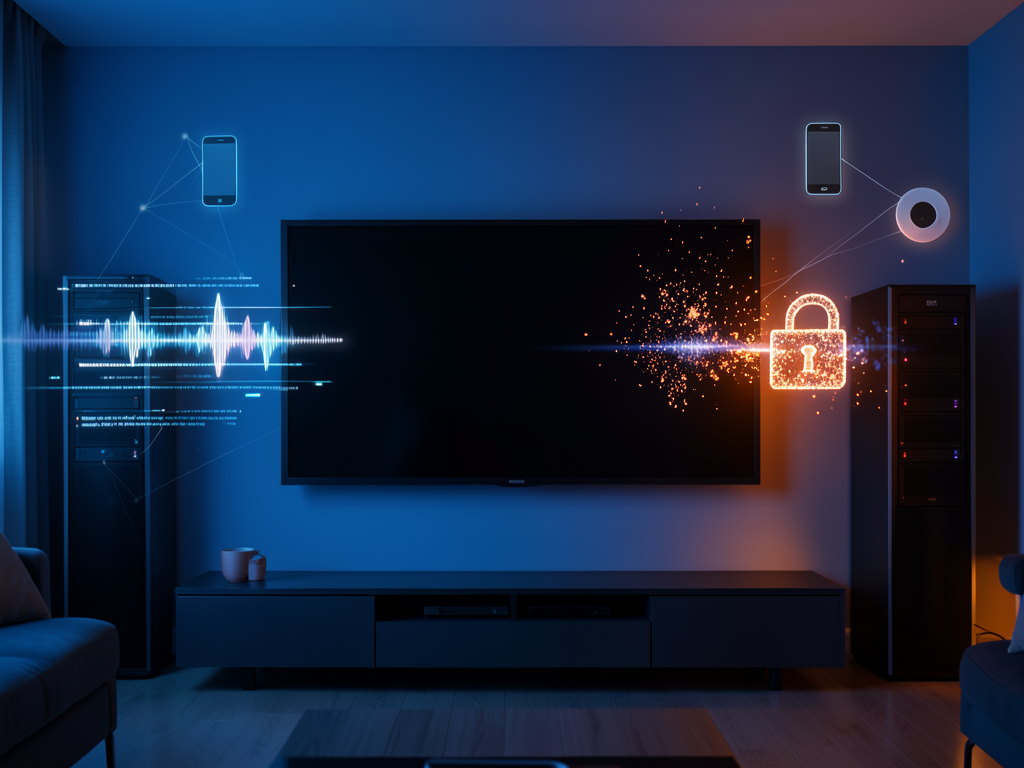
LG faces renewed allegations that its smart TVs are collecting extensive private data, including audio transcripts and detailed network information, even when the display is in standby mode. The claims, brought forward by the Gamers Nexus YouTube channel, point to what editor Stephen Burke described as an 'egregious invasion of privacy' by the electronics giant.
Allegations of Persistent Data Collection
Gamers Nexus said its team inspected network traffic and internal data from LG TVs using tools like Wireshark. They claim the televisions collected a broad range of information far beyond what users might expect.
Burke said the volume of private data was so large it could not be shown in the video. The team also claimed that audio capture could continue while the TV was offline, storing data locally and transmitting it once connectivity returned. Gamers Nexus said it was working with security researchers to disclose vulnerabilities, including an alleged remote code execution flaw.
The Role of LG Ads Solutions
LG does not hide its advertising business. The company's hardware integrates technology from LG Ads Solutions, which operates automatic content recognition (ACR) software. LG announced in 2022 that ACR would be deployed across 27 countries, with insights available to advertisers. The system collects anonymized data, LG said, to measure campaign effectiveness. However, critics note that generating audio transcripts while the TV is in standby is not mentioned in product descriptions or marketing materials. Customers who want to understand privacy practices must navigate a buried LG Privacy link and then sift through multiple documents. Nowhere does the main product page reference LG Ads Solutions or its promise of 'precision targeting at the device level.'
Why This Matters
This case highlights a growing disconnect between what smart TV manufacturers promise consumers and what their hardware actually does. If the allegations hold, millions of LG TV owners may have had their private conversations and home network details collected without meaningful consent. The implications extend beyond the living room: smart TVs are also found in boardrooms and doctors' offices, where sensitive discussions may be captured. Regulators worldwide have begun scrutinizing data collection practices, and this incident could accelerate demands for clearer disclosures, opt-in consent and independent audits. For consumers, the lesson is clear: a smart TV's voice feature may come with hidden surveillance costs.
LG's Response
LG told The Register that the recent Gamers Nexus claims are not true. The company stated that LG TVs process voice data only when the remote's voice button is pressed and held, or when a wake word like 'Hi LG' is recognized after activation of the Far-Field feature. It added that wake word detection is processed locally and immediately deleted if not recognized. However, the company did not directly address the standby audio transcript findings or the alleged data flow to LG Ads Solutions. The dispute echoes an earlier incident in July, when Gamers Nexus reported that certain LG monitors, when connected to Windows 11, would automatically install the LG Monitor App via Windows' device metadata system, which then displayed pop-up promotions for McAfee. LG said McAfee is never installed without user consent.