Editor: Porcia Akua Holmes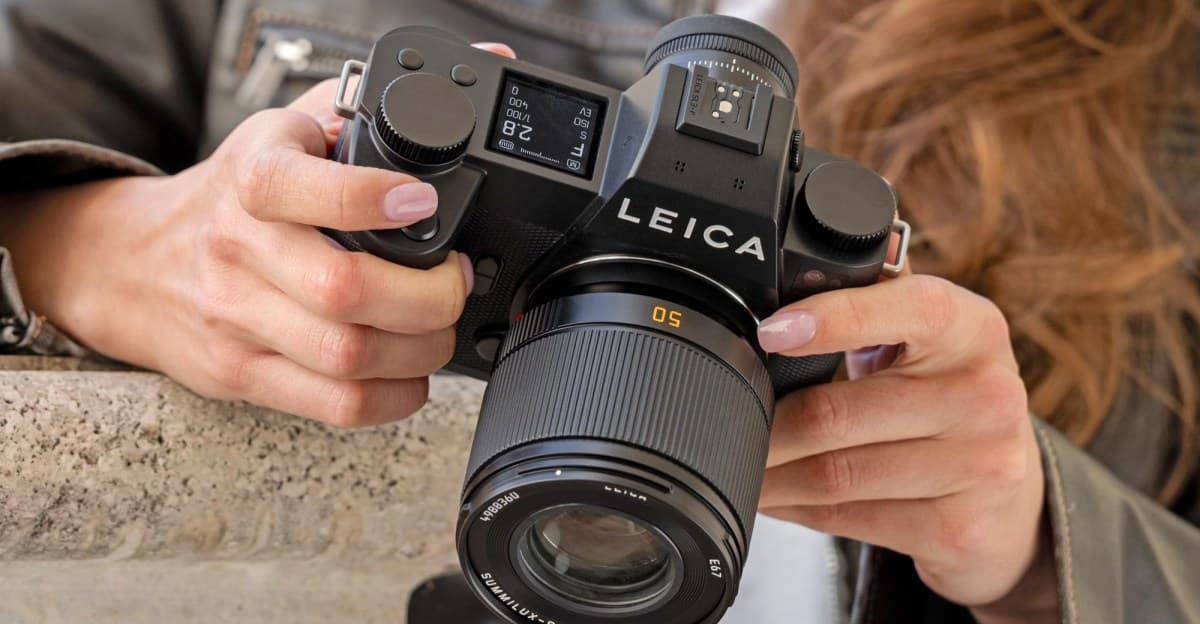
Leica has introduced a new full-frame mirrorless camera that sits squarely between its existing SL3 and SL3-S models. The Leica SL3-P delivers a 44-megapixel sensor, 8K video recording and a hybrid autofocus system borrowed from the speed-oriented SL3-S. It also leaves out one of the brand's most recognizable design features: the red dot badge on the front.
The SL3-P is the latest addition to Leica's "P" series, a lineage known for stripping away the company's signature logo in favor of a more discreet appearance. Previous P variants have followed the same approach, and the SL3-P continues that tradition with a clean, unmarked front plate.
Bridging Two Worlds
The new camera fills a gap between the SL3 and SL3-S. The SL3 launched in 2024 with a 60-megapixel sensor optimized for high-resolution studio and landscape work. The SL3-S, released last year, dropped to 24 megapixels but gained faster burst rates and improved autofocus for action and sports photography.
The SL3-P splits the difference. Its 44-megapixel sensor offers enough resolution for detailed prints and crops while keeping file sizes more manageable than the SL3's 60-megapixel output. It also matches the SL3's ability to shoot 8K video, a feature the SL3-S lacks. At the same time, the SL3-P incorporates the hybrid autofocus system from the SL3-S, which combines phase detection and contrast detection to track moving subjects more reliably.
The "P" Series Tradition
Leica's P series has long appealed to photographers who prefer a low-profile look. The missing red dot reduces brand visibility, making the camera less conspicuous in sensitive environments like street photography or documentary work. The SL3-P keeps the same magnesium alloy body as the SL3 and SL3-S but with a black finish that further downplays its premium nature.
The P designation also typically brings a refined feature set. In the case of the SL3-P, Leica appears to have cherry-picked the strongest elements from its two siblings rather than introducing entirely new technology. This approach gives buyers a single body that can handle both high-resolution stills and video work without sacrificing autofocus performance.
Why This Matters
The SL3-P targets photographers who want one camera for multiple disciplines. Its $6,690 price puts it in direct competition with other high-end mirrorless systems from Sony, Canon and Nikon, but Leica's ecosystem and lens lineup give it a distinct audience. Professionals who shoot across genres — mixing studio portraits, events and video projects — may find the SL3-P's balanced specs more practical than choosing between a dedicated resolution or speed body.
For enthusiasts considering a move to the SL system, the SL3-P reduces the compromise involved in picking between the SL3 and SL3-S. It also signals that Leica recognizes the growing demand for hybrid cameras that do not force users to trade video quality for still resolution. Whether the missing red dot matters will depend on the buyer. But for those who value discretion, the SL3-P offers a powerful tool that does not advertise its price tag.