Editor: Porcia Akua Holmes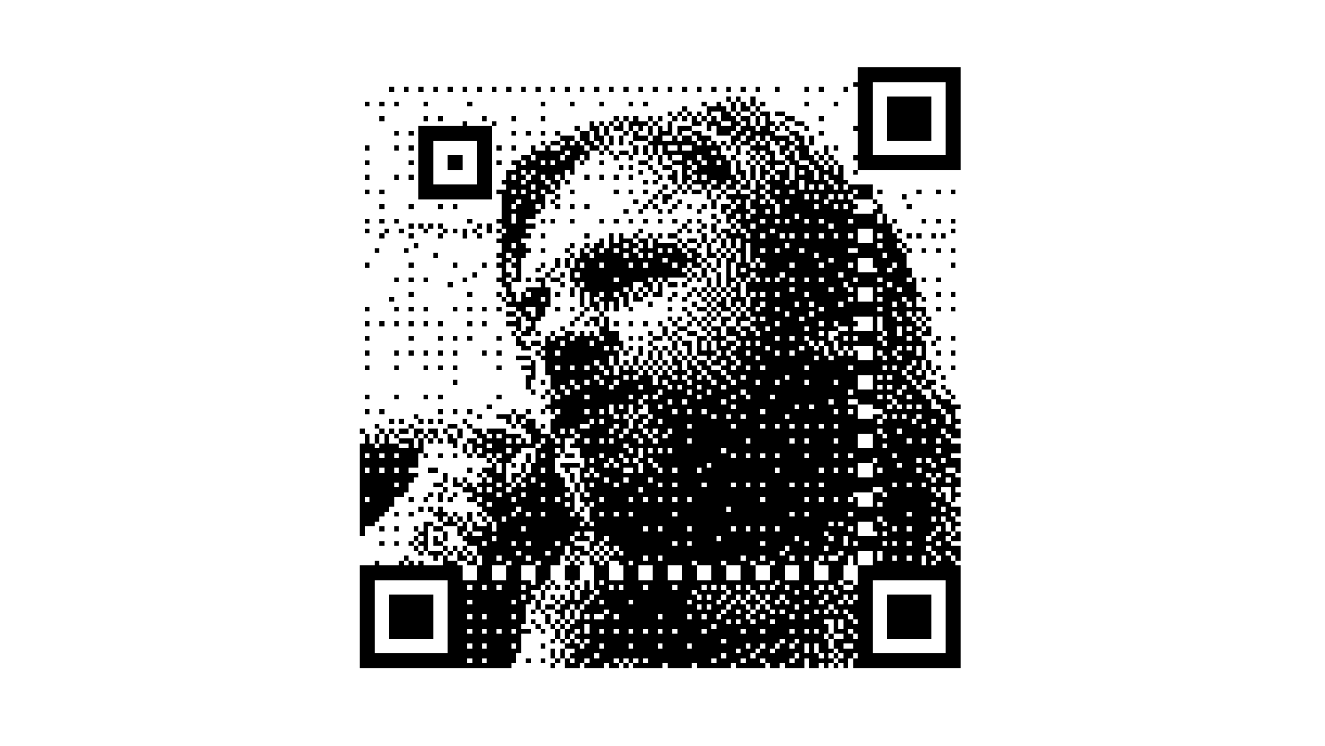
A new design approach is reshaping how QR codes appear in public spaces. Known as dithered QR codes, the technique applies a classic image processing method to create codes that look like abstract art or branded patterns while remaining fully readable by standard scanners. The method has gained attention in design circles, with discussions on platforms such as Hacker News highlighting both its creative potential and technical trade-offs.
How Dithering Changes QR Code Design
Dithering is a technique originally used in image processing to simulate colors or shades by varying patterns of dots. Applied to QR codes, it allows designers to embed logos, textures, or even photographic elements into the code matrix. The result is a QR code that does not look like a typical barcode but still encodes the same URL or text.
The core challenge lies in preserving the contrast and module alignment that scanners depend on. Standard QR codes rely on sharp transitions between light and dark cells. Dithering softens these edges, which can reduce readability if not carefully calibrated. Developers often use error correction levels and test scanning under various lighting conditions to ensure reliability.
Industry and Consumer Impact
Businesses have long struggled with the clash between functional QR codes and aesthetic marketing materials. Dithered QR codes offer a solution by allowing the code itself to become a canvas. Restaurants, retail stores and event organizers can embed logos or thematic patterns directly into the code, reducing the need for separate brand elements alongside the scan target.
Consumers may benefit from more visually cohesive experiences, though the trade-off is that poorly implemented dithered codes could fail to scan in low light or when printed at small sizes. The technique also increases the complexity of code generation, requiring specialized software or custom algorithms rather than simple online generators.
The Hacker News discussion around Dithered QR Codes Comments revealed strong opinions on the practicality of the method. Some commenters noted that modern smartphone cameras are tolerant enough to read even heavily altered codes. Others warned that dependence on high error correction reduces the overall data capacity of the code, limiting its use for cases that need more than a simple URL.
Why This Matters
The shift toward dithered QR codes signals a growing expectation that functional technology must also serve as a design element. As QR codes become permanent fixtures in signage and packaging, their visual impact on brand perception is no longer trivial. Companies that adopt dithered designs early may gain a competitive edge in customer engagement, but they risk alienating users if the codes fail at critical points. The underlying technical compromise between aesthetics and reliability will define how widely the technique is adopted. For designers and developers, mastering this balance is becoming a necessary skill.
What This Means for Developers and Designers
Creating a dithered QR code requires more than a filter applied to an image. Developers must understand QR code error correction levels, module placement and the scanning behavior of common cameras. Designers must learn to work within the constraints of the code matrix rather than treating it as a fully flexible art space.
Tools are emerging that automate parts of the process, but the best results still come from manual adjustments. The technique also opens possibilities for animated or color-shifting codes in digital contexts, though those applications bring additional challenges around display technology and scanning consistency.