Editor: Porcia Akua Holmes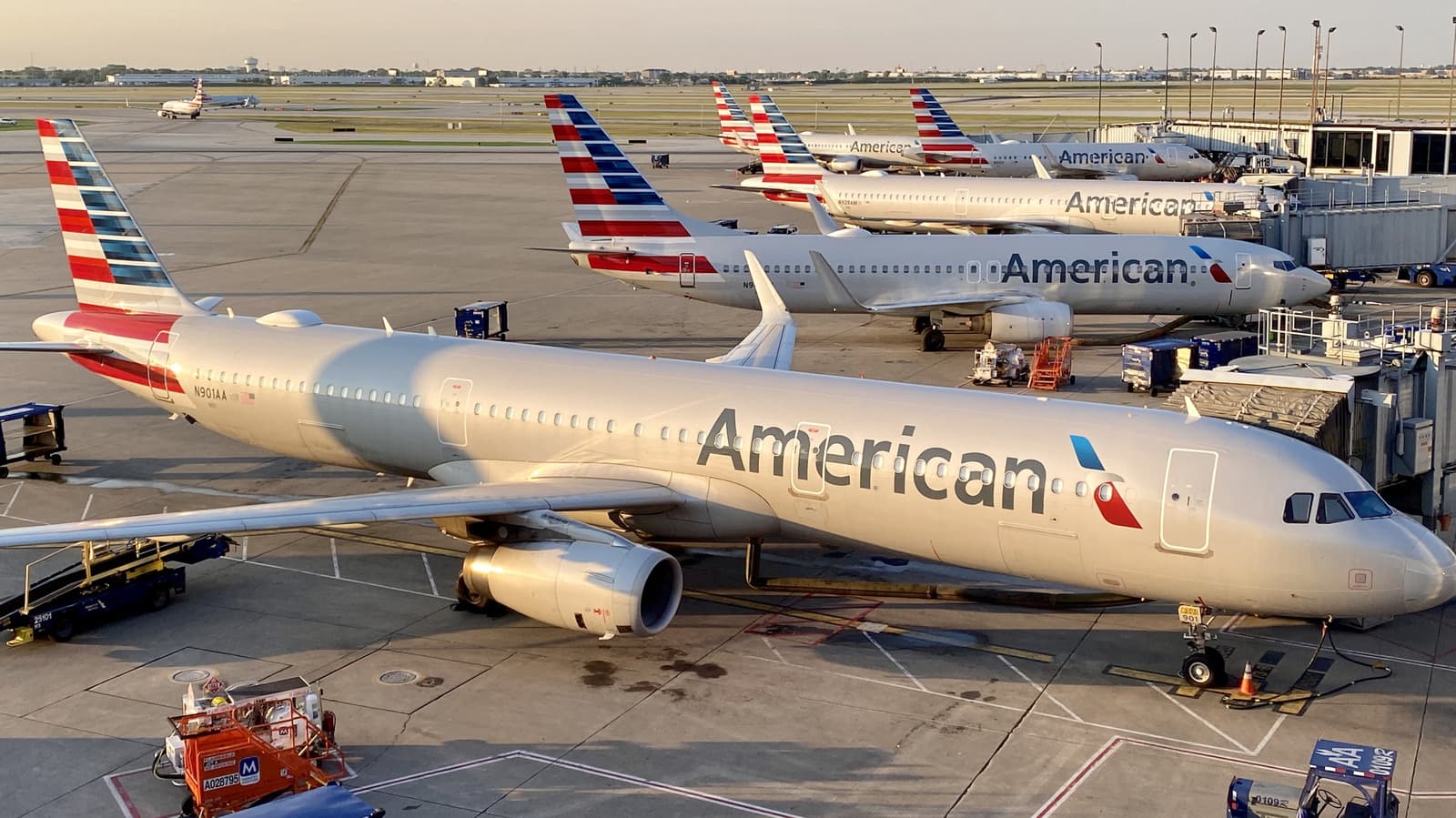
An American Airlines flight descended into chaos last week when a passenger's laptop burst into flames, injuring several travelers and forcing the temporary closure of a busy runway. The incident, which unfolded mid-cabin, has reignited a long-simmering debate about the risks posed by lithium-ion batteries in the confined space of an aircraft. For carriers and insurers alike, the episode signals that the cost of ignoring these fires is climbing fast.
The Rising Threat of Battery Fires
The recent American Airlines episode fits a troubling pattern. The Federal Aviation Administration has documented dozens of thermal runaway events on commercial flights in the past decade, many triggered by damaged or overheating devices. In closed cabins, these fires spread rapidly, producing toxic smoke and intense heat that can overwhelm crew response.
The dangers are not theoretical. Aviation safety experts point to several urgent risk factors:
These vulnerabilities have put the issue squarely on the agenda of aviation regulators, who have pressed for years to update standards but faced resistance from electronics manufacturers and airline lobbies.
Insurance Costs Push Airlines to Rethink Risk
The financial fallout from a single in-flight fire is brutal. The American Airlines incident may involve compensation for injured passengers, repair costs for cabin damage, and the operational impact of shutting down a major hub runway. Traditional aviation insurance policies have typically absorbed these losses, but underwriters are now rewriting the calculus.
According to industry analysts, premiums for hull and liability coverage have risen sharply over the past three years, with battery-related incidents cited as a key driver. Some insurers are even demanding that airlines install active suppression systems or adopt stricter pre-flight device checks before renewing policies. Aviation insurance specialists warn that repeated incidents could push the market to exclusions for electronic device fires, leaving carriers to bear millions in uninsured losses.
The economic pressure is changing behavior. Several major carriers have begun retrofitting galleys with heat-resistant containment sleeves and training crews to use specialized fire-proof bags. But these measures are piecemeal. A comprehensive industry standard, similar to the one that governs replacement of cockpit doors, has yet to emerge.
Regulatory Changes on the Horizon
Investigators are still piecing together exactly what caused the American Airlines laptop fire, but the incident is already shaping policy discussions. The FAA has signaled it will revisit advisory circulars on portable electronic device storage, and international bodies are considering mandatory fire-containment equipment for new aircraft designs.
Passenger clearance procedures may also tighten. Some airports are piloting scanners that detect damaged or swollen batteries, while airlines could soon ban devices without certified safety markings from cabins entirely. These changes, however, face a tension between convenience and security. Travelers accustomed to charging devices mid-flight may resist restrictions, and tech companies argue that modern batteries are safer than ever.
The counterargument is blunt: the American Airlines fire proved that even a single faulty laptop can paralyze a 200-ton aircraft. Until batteries are fundamentally redesigned or containment becomes universal, the stakes remain high.
Why This Matters
The immediate question is whether this incident becomes a turning point. Aviation safety history shows that transformative rules often follow high-profile failures, from the smoking bans of the 1980s to the reinforced cargo holds after the 1996 ValuJet crash. Battery fires represent a similar inflection. If regulators mandate fireproof device storage, airlines will absorb hefty retrofitting costs, likely passed on to passengers through higher fares. On the insurance side, premiums could spike further, squeezing already thin margins at regional carriers.
For passengers, the changes could mean fewer devices in the cabin, more rigorous security checks and longer boarding times. But the trade-off is clear: a cabin fire at 30,000 feet is not a survivable scenario. The industry has resisted change for years, but the American Airlines incident demonstrates that the risk is no longer hypothetical. The choices made in the coming months will determine whether future flights are safer or merely better insured.