Editor: Porcia Akua Holmes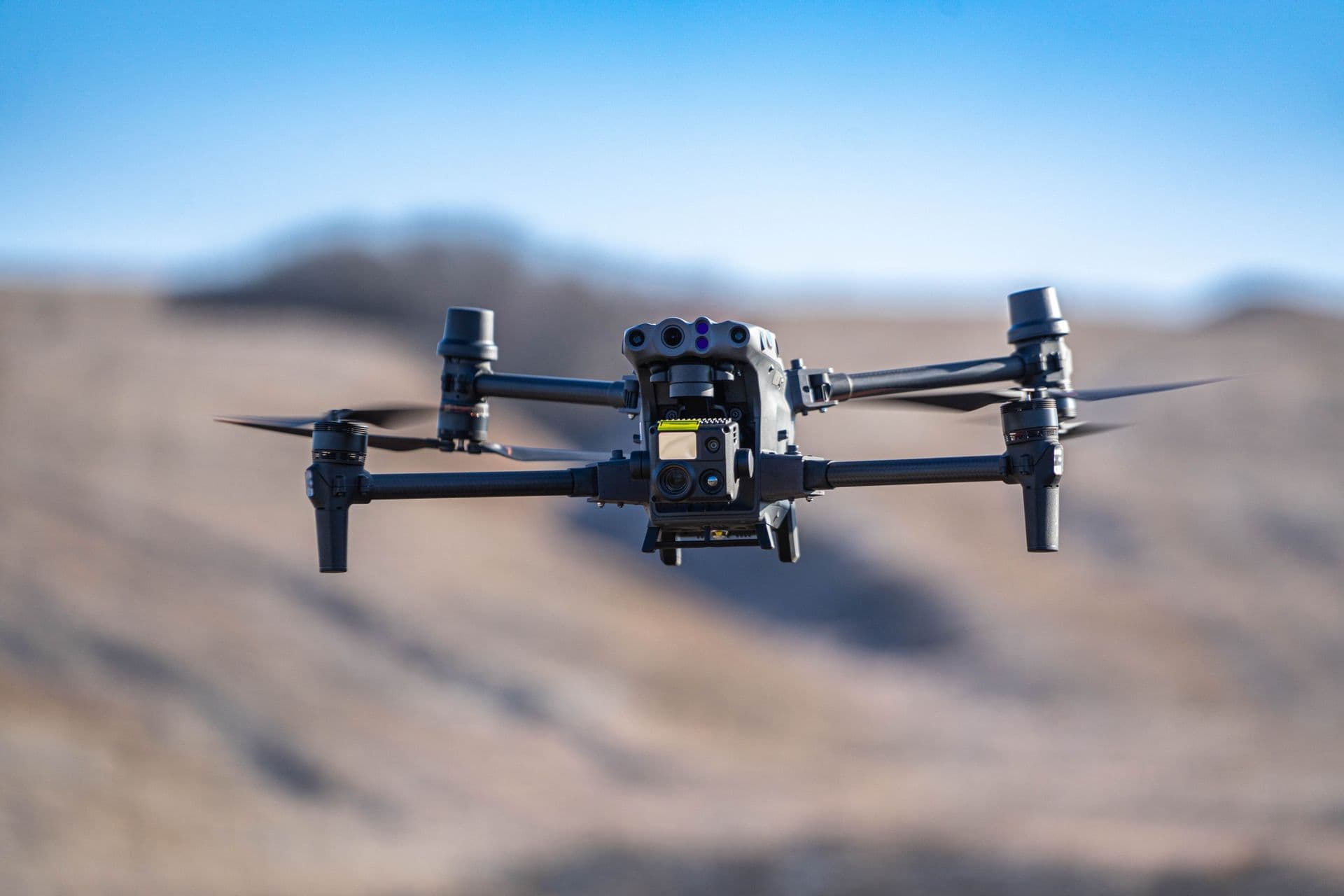
The United States has imposed sweeping tariffs on drones and drone components, targeting Chinese-made hardware that commands a dominant share of the global market. The policy, announced by President Trump, applies a 100% tariff on larger drones and those with thermal imaging capabilities, while smaller models face a 25% duty. The tariffs are designed to reduce reliance on Chinese suppliers and bolster domestic drone manufacturing, but industry leaders say the transition will take time.
Tariff Structure and Ally Exemptions
The new tariff structure creates a tiered system. Drones exceeding 25 kilograms or equipped with thermal imaging incur a 100% tariff, while smaller drones without those features face 25%. Components such as motors and electronic controllers also fall under the 25% rate. The US, however, reduced tariffs for allied nations to avoid straining relations further. European Union members, Japan, Korea, Taiwan, and Switzerland face a 15% duty, while the United Kingdom received a 10% rate. How these differentials affect competition remains an open question, but the clear message is a push away from Chinese hardware.
Challenges for Domestic Manufacturers
Drone makers in the US now face a difficult adjustment. The consumer and commercial markets, where cost sensitivity is highest, rely heavily on foreign-made motors, batteries and cameras. Cheaper alternatives from domestic or allied sources are not yet available at scale.
Lantronix CEO Saleel Awsare noted that his company's System-on-Modules are designed for NDAA and Trade Agreements Act compliance, with U.S. manufacturing options coming online. But the broader industry, which relies on Chinese DJI parts and platforms, will need years to fully decouple.
Why This Matters
The tariffs represent a direct assault on China's dominance in drone technology. If successful, they could reshape a global industry where DJI has been the undisputed leader for civilian and commercial drones. For US companies, the short-term pain includes higher costs and delayed product launches. The longer-term prize is a secure, trusted drone supply chain that is less vulnerable to geopolitical disruptions. For allies like Japan, Korea and Taiwan, the lower tariffs offer an opportunity to capture market share currently held by Chinese firms. Consumers, however, may face sticker shock as prices for drones and components rise until production alternatives mature. The success of this policy hinges on how quickly manufacturers can adapt and whether domestic capacity can meet demand.
What’s Next for the Drone Supply Chain
The grace period before full tariff enforcement gives manufacturers time to source alternatives. Yet designing a drone around a new compute platform is a complex process that involves regulatory approval and software integration. Lantronix and other suppliers are moving to offer American-made SOMs, but scaling production to replace Chinese imports will require investment and time. The US is now better positioned to compete, but the shift will not happen overnight. Observers will watch how quickly DJI's market share erodes and whether allied producers in Japan, Korea and Taiwan can fill the gap.