Senior Editor: Alan Agbele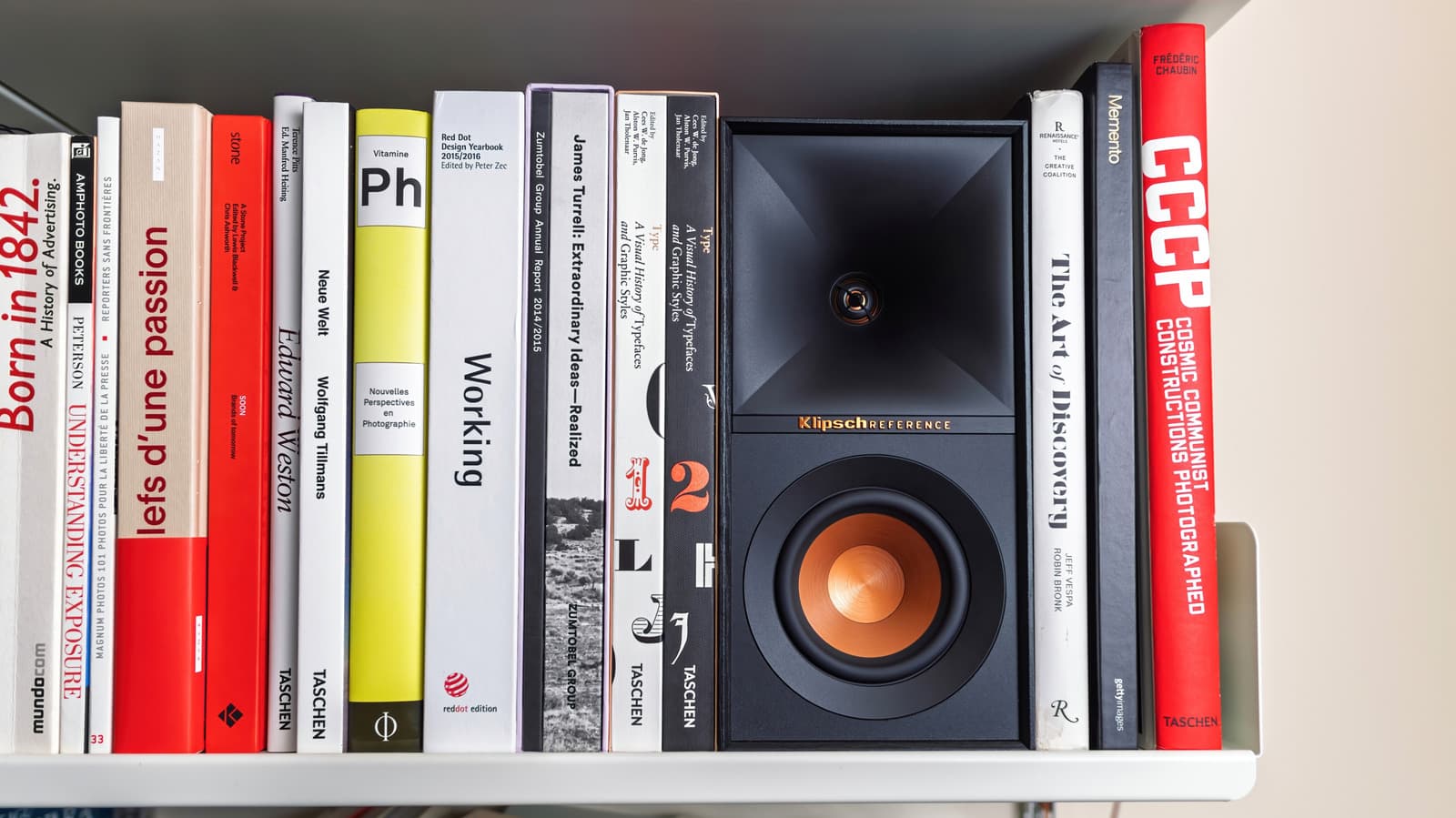
Klipsch has been synonymous with high-fidelity audio for decades, but the brand's corporate structure and factory footprint have shifted significantly since its founding in 1946. The question of Who Owns Klipsch And Where Are The Speakers Made has become a central concern for audiophiles tracking the company's trajectory. Today, the answers reveal a tale of global manufacturing and private equity ownership.
Ownership Timeline
Klipsch was acquired by Voxx International (formerly Audiovox) in 2011. Voxx, a publicly traded company based in Hauppauge, New York, also owns other audio brands such as Jenson and Acoustic Research. Before the purchase, Klipsch remained a family-run business for more than 60 years, founded by Paul W. Klipsch in Hope, Arkansas. The brand's independence ended when Voxx bought it for roughly $160 million, integrating it into a larger portfolio of consumer electronics.
Under Voxx ownership, Klipsch has maintained its product identity but expanded into new categories like wireless speakers and soundbars. The corporate change has not diluted the brand's reputation for horn-loaded technology, but it has altered production strategies.
Manufacturing Locations
Where Klipsch speakers are made depends on the product line. The company still operates a manufacturing facility in Hope, Arkansas, where high-end Heritage series speakers are hand assembled. However, most mass-market models and components originate from factories in China and other parts of Asia. The split reflects a common pattern in the audio industry: premium lines retain domestic production for quality control while volume products move overseas to reduce costs.
Why This Matters
The shift in manufacturing affects buyers directly. Heritage models command a premium partly because of their American assembly and materials. Lower-priced Klipsch speakers offer wider accessibility but raise questions about quality consistency compared to the originals. For audiophiles committed to domestically produced gear, the distinction between US-made and overseas-made Klipsch has become a key factor in purchasing decisions.
Additionally, Voxx International's ownership introduces corporate priorities that may influence future product development. Investors focus on margins and volume, which could steer Klipsch further toward cost-effective production abroad. The brand's heritage, however, remains a strong asset that the parent company is unlikely to abandon entirely.
Industry Trends
Klipsch is not alone in this duality. Many legacy audio brands such as JBL, Bowers & Wilkins, and KEF have moved production to Asia while keeping flagship lines domestic. The strategy allows companies to compete in multiple price tiers. For Klipsch, the challenge is balancing its reputation for American craftsmanship with the realities of global supply chains.
As the audio market grows increasingly competitive, ownership and manufacturing provenance will continue to influence brand perception. The question of Who Owns Klipsch And Where Are The Speakers Made will remain relevant as the industry evolves.