Senior Editor: Alan Agbele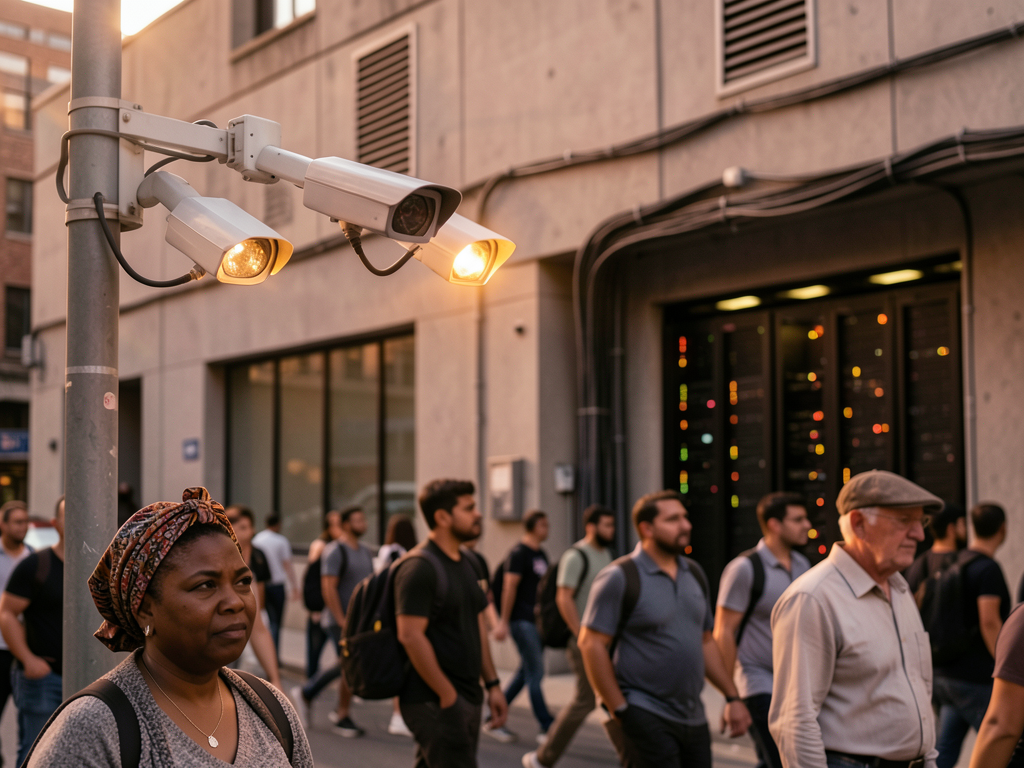
Federal contracting documents have revealed that U.S. Immigration and Customs Enforcement (ICE) is preparing to spend up to $100 million on a domestic surveillance initiative internally referred to as 'Nightmare.' The program, first surfaced through public procurement records and amplified across developer forums including Hacker News, signals a significant escalation in the government's domestic intelligence-gathering capabilities.
Inside the 'Nightmare' Procurement
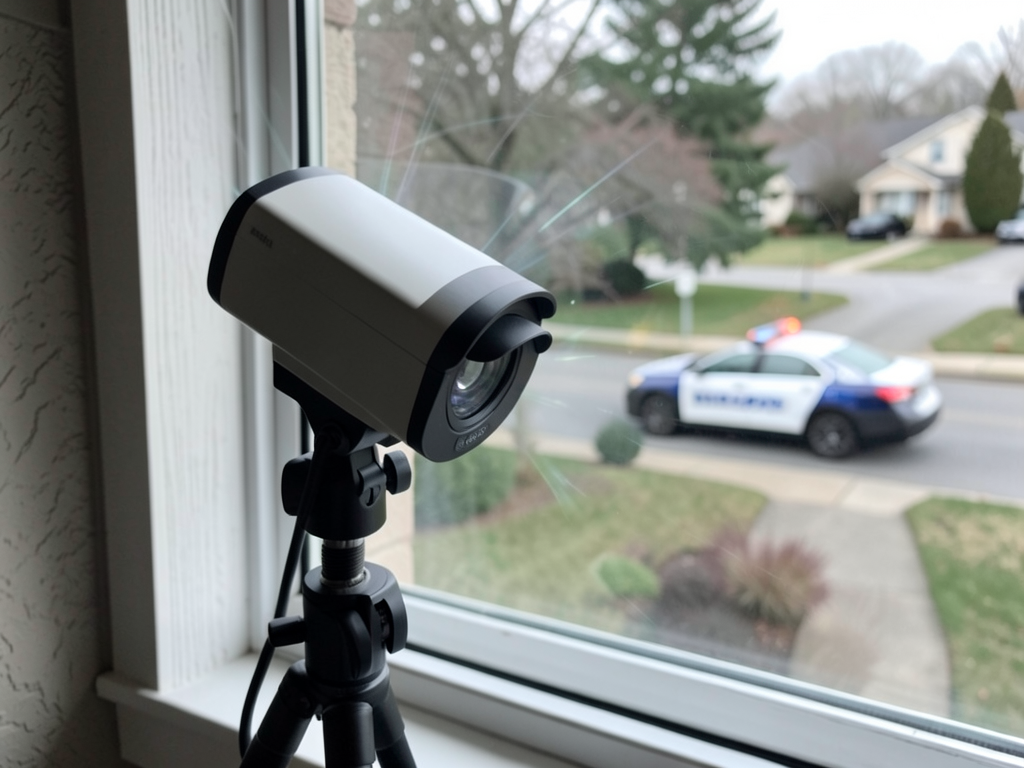
The procurement documents outline a sweeping technical infrastructure designed to aggregate and analyze data on individuals within the United States. Unlike traditional law enforcement databases, this program appears structured around continuous monitoring rather than case-specific investigation.
The 'Nightmare' label, unusual for a government program name, has drawn particular attention. Internal naming conventions typically use neutral acronyms or aspirational titles. The choice of such a foreboding term suggests either dark humor among program architects or an acknowledgment of the initiative's controversial nature.
Why This Matters
The implications extend far beyond immigration enforcement. A domestic surveillance infrastructure built for ICE could be repurposed or expanded to monitor political activity, protest movements or dissenting voices. The technical architecture being procured would create lasting capabilities that outlast any single administration's policy priorities.
Technology companies supplying these tools face reputational and legal risks. Employees at major contractors have increasingly pushed back against surveillance work, and public scrutiny of government tech contracts has intensified. The 'Nightmare' program could become a flashpoint in the ongoing debate over corporate complicity in state surveillance.
For ordinary Americans, the program raises fundamental questions about Fourth Amendment protections. Data collected for immigration purposes could theoretically be accessed by other agencies or exposed through breaches, creating privacy risks for citizens and non-citizens alike.
The Broader Surveillance Landscape
ICE's initiative fits within a wider pattern of federal agencies expanding their technical monitoring capabilities. Recent years have seen significant growth in government spending on facial recognition, location tracking and predictive analytics. These tools, marketed as efficiency improvements, collectively create an infrastructure capable of tracking individuals across multiple dimensions of their lives.
The $100 million price tag represents a substantial commitment. For context, that sum exceeds the annual technology budgets of many mid-sized cities. The scale of investment suggests this is not a pilot program but a foundational system intended for long-term operation.
What Comes Next
Congressional oversight committees are likely to scrutinize the program's scope and legal basis. The procurement process may face challenges from privacy organizations or legal advocacy groups. Contractors awarded work on the program could encounter protests or negative publicity.
The 'Nightmare' designation may prove prophetic in another sense. As domestic surveillance capabilities expand, the line between immigration enforcement and general population monitoring becomes increasingly blurred. What begins as a targeted tool for one agency's mission can evolve into something far broader, affecting the privacy rights of everyone within U.S. borders.