Editor: Porcia Akua Holmes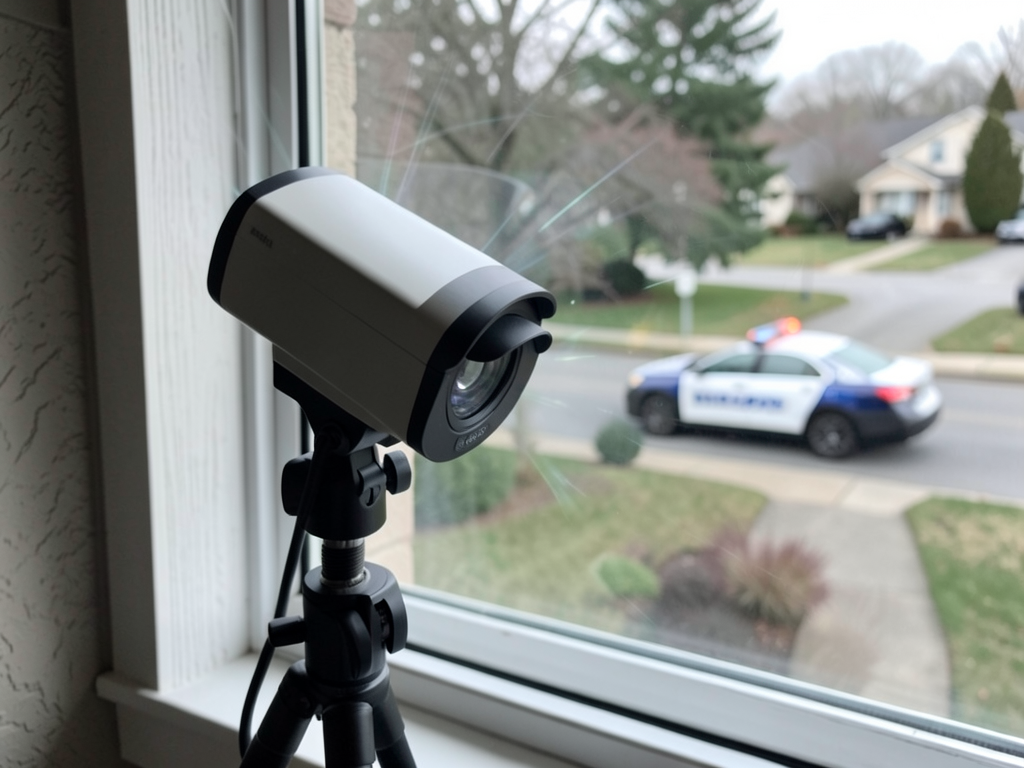
Anthony Sistilli pointed a camera at the street outside his home and trained it to do something unusual: identify police cars. The device relies on automatic license plate recognition, or ALPR, the same technology law enforcement agencies across North America use to log passing vehicles. Within weeks, Sistilli says, officers from Peel Regional Police showed up at his door.
He described the encounter in a YouTube video posted after the visit. The project, which he modeled on cameras made by Flock Safety, was not designed to track civilians. It was built to watch the watchers.
Why This Matters
The Sistilli case exposes a widening asymmetry in how surveillance technology is governed. Police departments and private operators can deploy ALPR networks with limited oversight, while citizens who turn the same tools back on authorities face immediate scrutiny. That imbalance will shape how courts, legislators and technology companies handle the next wave of automated monitoring.
Peel Regional Police has not publicly detailed why officers visited Sistilli or what was discussed. The absence of a clear explanation leaves open whether the visit was a welfare check, an informal inquiry or something closer to deterrence. Each possibility carries different implications for how police accountability works when the monitoring flows in the opposite direction.
Technology firms that sell ALPR systems also face a reputational problem. If their products are powerful enough to identify police vehicles from a residential window, the same capability exists in every community that installs them. Buyers who assumed the cameras were primarily for catching stolen cars may need to reconsider what else the networks can do.
What You Need to Know About ALPR Deployment
The Reciprocity Problem in Surveillance Tech
ALPR networks have expanded rapidly because they are cheap to install and easy to justify. Departments cite stolen vehicle recovery and missing persons cases. Private communities cite package theft and trespassing. The result is a patchwork of cameras that collectively cover far more ground than any single agency could manage alone.
What Sistilli demonstrated is that the same coverage works in reverse. A single hobbyist with off-the-shelf components and publicly available machine learning tools can build a functional ALPR system. That capability is no longer confined to well-funded agencies or large security contractors.
The legal landscape has not caught up. Most jurisdictions regulate ALPR through patchwork policies rather than comprehensive statutes. Data retention rules vary widely. Sharing agreements between agencies and private operators are often opaque. Sistilli's experience suggests that enforcement of these rules may depend more on discretion than on clear legal standards.
What Comes Next for Citizen Surveillance Projects
Other engineers are likely to replicate Sistilli's approach. The components are accessible, the software is documented and the motivation is clear. Each new project will test whether police departments respond with transparency or with pressure.
Peel Regional Police's visit may become a reference point for those decisions. If the response was informal and procedural, it signals that authorities are willing to tolerate reciprocal monitoring. If it was intended to discourage the project, it raises questions about whether surveillance is treated as a one-way tool.
Legislators in Canada and the United States have introduced bills to regulate ALPR data sharing and retention. Most have stalled. The Sistilli case gives those efforts a concrete example of why the rules matter, not as an abstract privacy concern but as a question of who gets to watch whom.