Editor: Porcia Akua Holmes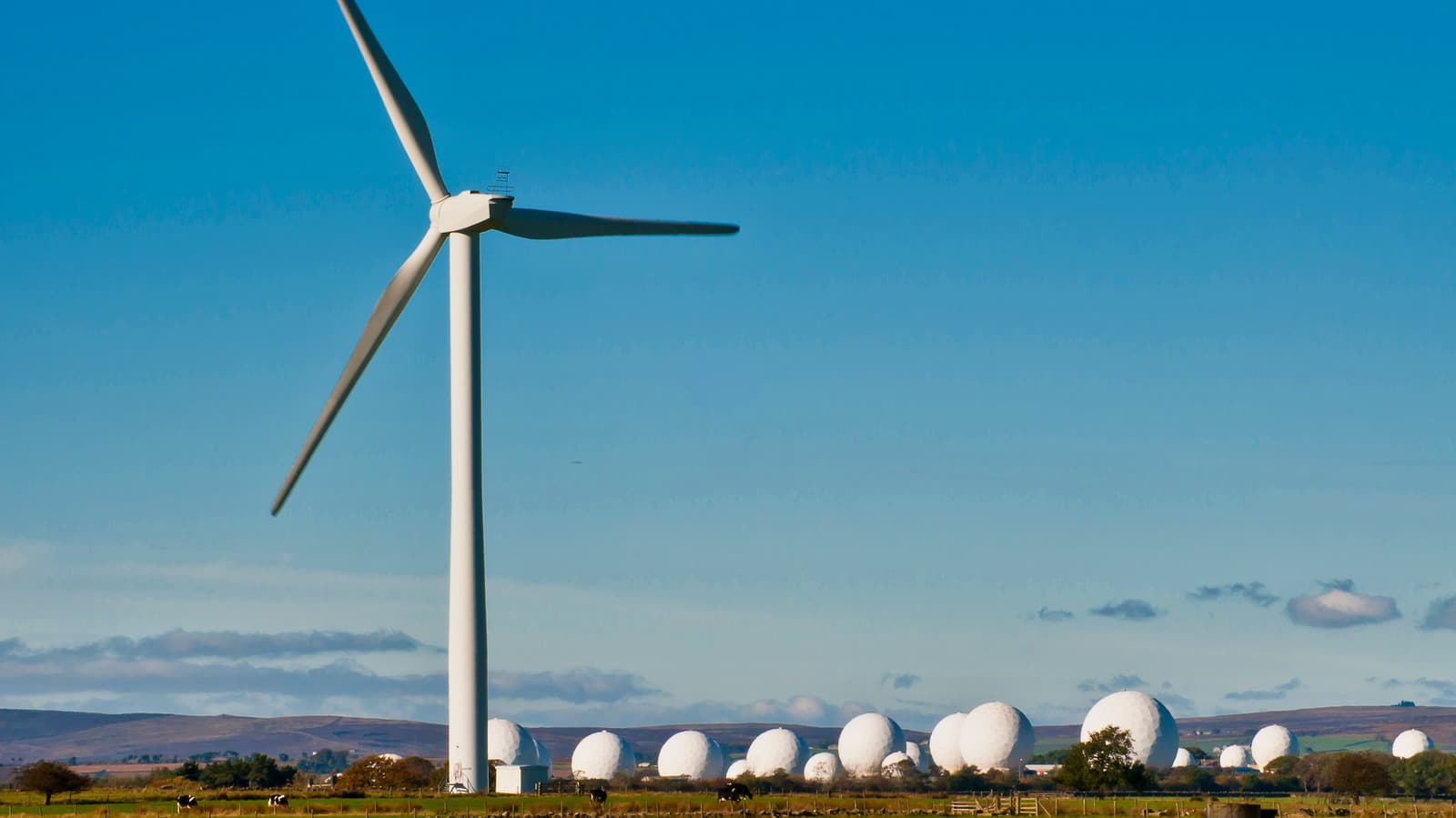
The question of whether wind turbines can actually interfere with radar has drawn attention from NASA, the military, and researchers. As wind farms expand across the country, their towering blades generate signals that can confuse air traffic control and defense systems. The issue sits at the intersection of renewable energy goals and national security, and it is not going away.
A Clash of Infrastructure Priorities
Modern wind turbines can reach heights of 600 feet or more. Their rotating blades produce a radar signature similar to that of a small aircraft, especially at certain angles and speeds. This interference can cause air traffic controllers to see ghost targets or lose track of real planes. Both the Federal Aviation Administration and the Department of Defense have flagged the issue as a growing concern near airports and military installations.
NASA has studied the phenomenon for years, using specialized test ranges to measure how turbine blade composition, rotation rate and tower placement affect radar returns. The agency's research has helped shape siting guidelines, but the rapid pace of turbine development continues to outpace regulation.
Why This Matters
Countries aiming for net-zero emissions are counting on rapid wind farm deployment. The United States alone has hundreds of gigawatts of wind capacity in development. Without workable solutions for radar interference, many proposed projects could face delays or outright denials. The military, for its part, has opposed some large wind farms near training ranges, citing mission readiness. The economic stakes are high: a typical wind farm can cost hundreds of millions of dollars, and delays driven by radar concerns can kill a project entirely. The outcome of this tension will shape both the pace of renewable energy adoption and the future of airspace security.
Common Mitigation Approaches
Several techniques exist to reduce radar interference from wind turbines, though none are perfect. These include:
The Path Forward
Researchers continue to look for better answers. One promising avenue involves cooperative radar and turbine systems that share location data to blank out known interference. Other work focuses on machine learning models that distinguish turbine signatures from aircraft. Until these technologies mature, the conflict between wind energy and radar will remain a regulatory and engineering challenge.